
Shardiya Navratri Vs Chaitra Navratri Explained For Devotees

Shardiya Vs Chaitra Navratri Rituals Significance And Timing: Navratri is one of the most widely celebrated Hindu festivals in India, marked by devotion, fasting, and vibrant cultural traditions. While many people are familiar with the grand celebrations of Navratri in autumn, fewer are aware that this festival occurs multiple times a year. Among these, Shardiya Navratri and Chaitra Navratri hold the most significance. Though both honour Goddess Durga and follow similar rituals, they differ in timing, cultural importance, and regional observances. Understanding these differences offers a deeper appreciation of the festival’s spiritual essence.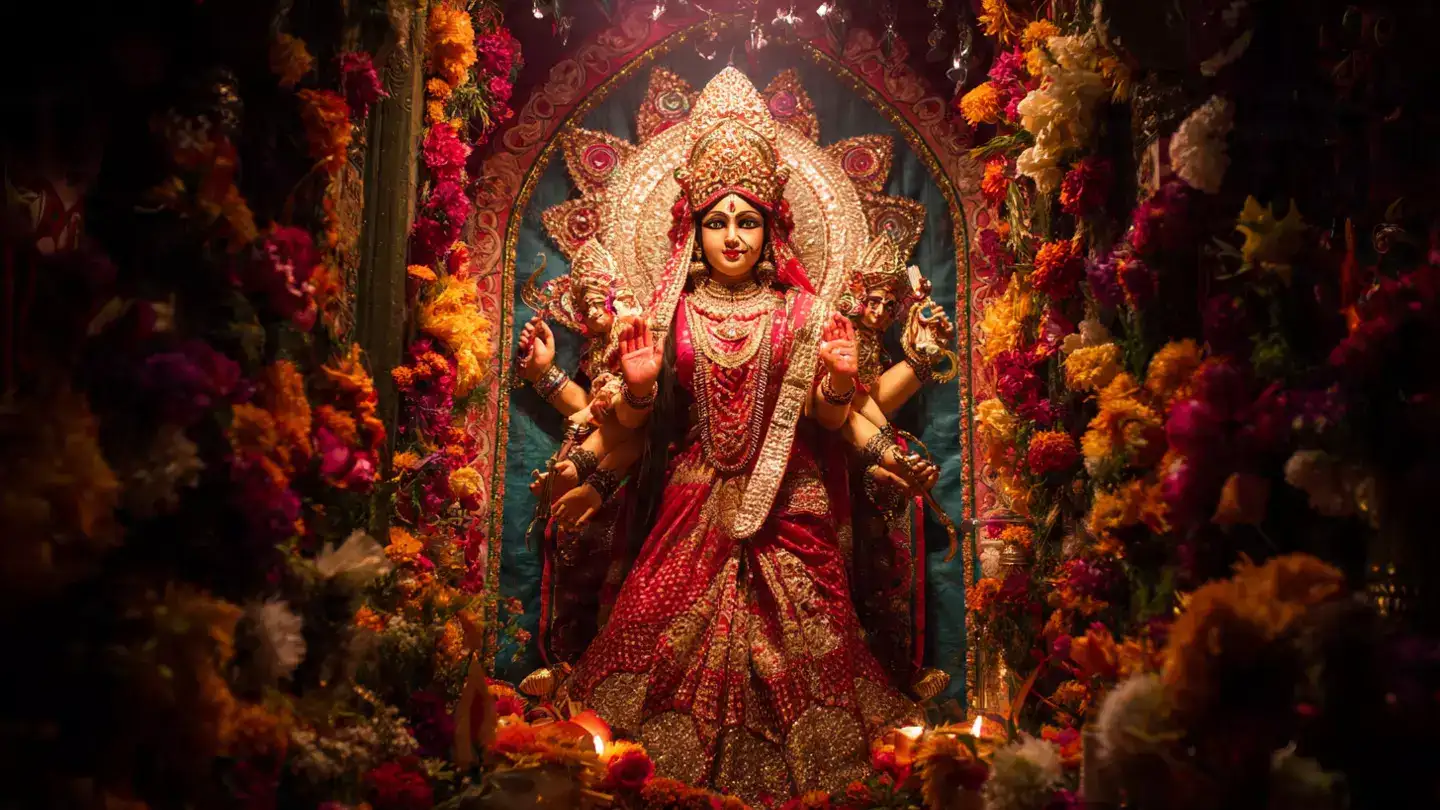
Shardiya Navratri takes place in the Hindu month of Ashwin, typically falling between September and October. It marks the transition from monsoon to autumn, a period considered ideal for spiritual reflection and renewal. This is the more widely celebrated Navratri across India, especially in northern and western regions.
Chaitra Navratri, on the other hand, occurs in the month of Chaitra, usually in March or April. It coincides with the beginning of the Hindu lunar year and the arrival of spring. This timing symbolises new beginnings, growth, and rejuvenation, making it spiritually significant for many devotees.
During Shardiya Navratri, cities and towns come alive with large-scale festivities, including elaborate decorations, community events, and traditional dances like Garba and Dandiya. In eastern India, it culminates in Durga Puja, where beautifully crafted idols of the Goddess are worshipped with grandeur.
Chaitra Navratri, in contrast, is generally more subdued. It is primarily observed with devotion and fasting rather than public celebrations. In northern India, it holds special importance as it marks the beginning of the Hindu New Year in many regions. The festival concludes with Ram Navami, celebrating the birth of Lord Ram.
Devotees observe fasts, offer prayers, and maintain a disciplined lifestyle during both periods. Many people avoid certain foods and follow a sattvic diet. Homes and temples are cleaned and decorated, and special prayers are conducted daily.
However, during Shardiya Navratri, the rituals often extend beyond households into large community gatherings. In contrast, Chaitra Navratri rituals are more personal and family-oriented, focusing on inner devotion rather than outward celebration.
Shardiya Navratri is often associated with the legend of Goddess Durga defeating the demon Mahishasura, representing the triumph of righteousness. This narrative is widely celebrated through dramatic performances and rituals.
Chaitra Navratri, meanwhile, is closely linked with renewal and the start of a new cycle. It is considered an auspicious time to set intentions, begin new ventures, and seek blessings for prosperity and well-being.
Chaitra Navratri, though equally sacred, is quieter and less commercialised. It appeals more to those seeking a spiritual connection rather than festive grandeur. Temples witness increased footfall, but public celebrations remain limited compared to the autumn festival.
While one brings vibrant celebration and community bonding, the other encourages introspection and renewal. Together, they highlight the diverse ways in which faith and tradition are practised across India, making Navratri a truly multifaceted festival.
By understanding these distinctions, devotees can connect more meaningfully with the rituals and significance of each Navratri, embracing both its festive energy and spiritual depth.
Image Courtesy: Meta AI
Timing And Seasonal Importance
The most noticeable difference between Shardiya Navratri and Chaitra Navratri lies in when they are observed.Shardiya Navratri takes place in the Hindu month of Ashwin, typically falling between September and October. It marks the transition from monsoon to autumn, a period considered ideal for spiritual reflection and renewal. This is the more widely celebrated Navratri across India, especially in northern and western regions.
Chaitra Navratri, on the other hand, occurs in the month of Chaitra, usually in March or April. It coincides with the beginning of the Hindu lunar year and the arrival of spring. This timing symbolises new beginnings, growth, and rejuvenation, making it spiritually significant for many devotees.
Cultural And Regional Significance
While both Navratris are spiritually important, Shardiya Navratri is celebrated with much greater enthusiasm and scale.During Shardiya Navratri, cities and towns come alive with large-scale festivities, including elaborate decorations, community events, and traditional dances like Garba and Dandiya. In eastern India, it culminates in Durga Puja, where beautifully crafted idols of the Goddess are worshipped with grandeur.
Chaitra Navratri, in contrast, is generally more subdued. It is primarily observed with devotion and fasting rather than public celebrations. In northern India, it holds special importance as it marks the beginning of the Hindu New Year in many regions. The festival concludes with Ram Navami, celebrating the birth of Lord Ram.
Rituals And Fasting Practices
The rituals followed during both Navratris are largely similar, centred around the worship of the nine forms of Goddess Durga over nine days.Devotees observe fasts, offer prayers, and maintain a disciplined lifestyle during both periods. Many people avoid certain foods and follow a sattvic diet. Homes and temples are cleaned and decorated, and special prayers are conducted daily.
However, during Shardiya Navratri, the rituals often extend beyond households into large community gatherings. In contrast, Chaitra Navratri rituals are more personal and family-oriented, focusing on inner devotion rather than outward celebration.
Spiritual Meaning And Symbolism
Both Navratris symbolise the victory of good over evil and the power of divine feminine energy. They encourage devotees to reflect on their inner strength and overcome negative tendencies.Shardiya Navratri is often associated with the legend of Goddess Durga defeating the demon Mahishasura, representing the triumph of righteousness. This narrative is widely celebrated through dramatic performances and rituals.
Chaitra Navratri, meanwhile, is closely linked with renewal and the start of a new cycle. It is considered an auspicious time to set intentions, begin new ventures, and seek blessings for prosperity and well-being.
Popularity And Public Celebrations
In terms of visibility and scale, Shardiya Navratri clearly stands out. It attracts large crowds, vibrant markets, and extensive media attention. The festive atmosphere is hard to miss, with music, dance, and cultural programmes becoming a major part of the experience.Chaitra Navratri, though equally sacred, is quieter and less commercialised. It appeals more to those seeking a spiritual connection rather than festive grandeur. Temples witness increased footfall, but public celebrations remain limited compared to the autumn festival.
Why Both Navratris Matter
Despite their differences, both Shardiya Navratri and Chaitra Navratri hold deep spiritual value. They provide opportunities for reflection, discipline, and devotion at different points in the year.While one brings vibrant celebration and community bonding, the other encourages introspection and renewal. Together, they highlight the diverse ways in which faith and tradition are practised across India, making Navratri a truly multifaceted festival.
By understanding these distinctions, devotees can connect more meaningfully with the rituals and significance of each Navratri, embracing both its festive energy and spiritual depth.
Image Courtesy: Meta AI
Next Story