
Why Cheti Chand Is Celebrated With Deep Devotion And Cultural Pride Across The Sindhi Community

Cheti Chand Festival Explained; History Beliefs Rituals And Cultural Relevance In Modern Times: India’s cultural diversity is reflected in its festivals, each carrying deep spiritual meaning and historical significance. Cheti Chand is one such vibrant celebration, observed primarily by the Sindhi community. It marks the beginning of the Sindhi New Year and commemorates the birth anniversary of Jhulelal, their patron deity. More than just a festival, Cheti Chand symbolises hope, faith, and resilience. It is celebrated with devotion, colourful processions, and community gatherings, reinforcing cultural identity and spiritual connection among Sindhis worldwide.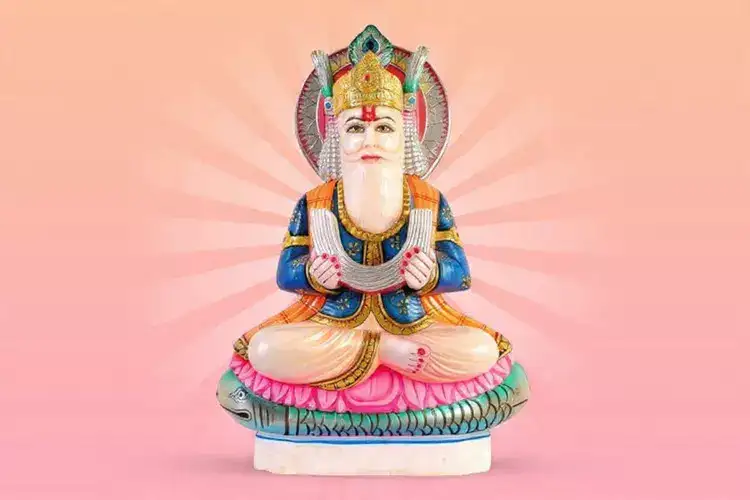
It is believed that their prayers were answered with the birth of Jhulelal, also known as Uderolal, who emerged as a divine saviour. He preached unity, peace, and religious tolerance, guiding people to stand firm in their beliefs without conflict.
Cheti Chand is thus celebrated as the day Jhulelal was born, symbolising the triumph of faith over adversity. This historical narrative continues to shape the spiritual importance of the festival even today.
For the Sindhi community, this day signifies the start of a new year, making it an occasion to reflect on the past and welcome the future with optimism. Homes are cleaned, new clothes are worn, and people greet each other with warmth and positivity.
The festival aligns with the broader Indian tradition of celebrating new beginnings during spring, much like other regional New Year festivals across the country.
Special prayers and bhajans are organised in temples and homes. The idol or image of Jhulelal is beautifully decorated, often shown seated on a fish, symbolising his connection to water.
One of the key rituals is the preparation of Baharana Sahib, an offering that includes items such as wheat flour, sugar, flowers, fruits, and a lit diya. This offering is later taken in a procession to a nearby water body, representing gratitude and devotion.
The day begins with prayers, followed by community processions known as Jhankis. These processions feature music, dancing, and tableaux depicting the life and teachings of Jhulelal. Devotional songs echo through the streets, creating an atmosphere of joy and reverence.
Cultural programmes, fairs, and social gatherings are also organised, allowing people to connect with their roots and pass traditions on to younger generations. Traditional Sindhi dishes are prepared, adding a culinary richness to the celebrations.
Even today, Sindhi communities across the globe celebrate Cheti Chand with equal devotion, keeping their traditions alive despite geographical distances. The festival promotes values of unity, tolerance, and gratitude, which remain relevant in modern society.
In an increasingly fast-paced world, Cheti Chand serves as a reminder to stay connected to one’s roots and uphold the principles of harmony and faith.
This message resonates strongly in today’s world, where cultural understanding and unity are more important than ever. The festival encourages individuals to embrace positivity, help others, and move forward with hope.
As families gather, prayers are offered, and communities celebrate together, Cheti Chand continues to inspire generations with its timeless values and spiritual depth.
Image Courtesy: Meta AI
The Historical Roots Of Cheti Chand
The origin of Cheti Chand is closely linked to a period of religious turmoil faced by Sindhi Hindus centuries ago. According to traditional beliefs, the community was facing oppression and was forced to abandon their faith. In their distress, they prayed to the river god Varuna for protection.It is believed that their prayers were answered with the birth of Jhulelal, also known as Uderolal, who emerged as a divine saviour. He preached unity, peace, and religious tolerance, guiding people to stand firm in their beliefs without conflict.
Cheti Chand is thus celebrated as the day Jhulelal was born, symbolising the triumph of faith over adversity. This historical narrative continues to shape the spiritual importance of the festival even today.
Why Cheti Chand Marks The Sindhi New Year
Cheti Chand falls on the second day of the Chaitra month in the Hindu lunar calendar, which usually coincides with March or April. This period marks the arrival of spring, a season associated with renewal, growth, and new beginnings.For the Sindhi community, this day signifies the start of a new year, making it an occasion to reflect on the past and welcome the future with optimism. Homes are cleaned, new clothes are worn, and people greet each other with warmth and positivity.
The festival aligns with the broader Indian tradition of celebrating new beginnings during spring, much like other regional New Year festivals across the country.
Religious Significance And Worship Of Jhulelal
At the heart of Cheti Chand lies deep devotion to Jhulelal, who is regarded as an incarnation of Varuna, the water deity. Devotees believe that Jhulelal protects them from hardships and blesses them with prosperity and harmony.Special prayers and bhajans are organised in temples and homes. The idol or image of Jhulelal is beautifully decorated, often shown seated on a fish, symbolising his connection to water.
One of the key rituals is the preparation of Baharana Sahib, an offering that includes items such as wheat flour, sugar, flowers, fruits, and a lit diya. This offering is later taken in a procession to a nearby water body, representing gratitude and devotion.
Rituals And Celebrations Across Communities
Cheti Chand is celebrated with great enthusiasm, especially in regions with significant Sindhi populations such as Mumbai, Ulhasnagar, Ahmedabad, and parts of Rajasthan.The day begins with prayers, followed by community processions known as Jhankis. These processions feature music, dancing, and tableaux depicting the life and teachings of Jhulelal. Devotional songs echo through the streets, creating an atmosphere of joy and reverence.
Cultural programmes, fairs, and social gatherings are also organised, allowing people to connect with their roots and pass traditions on to younger generations. Traditional Sindhi dishes are prepared, adding a culinary richness to the celebrations.
Cultural Identity And Modern Relevance
For Sindhis, Cheti Chand is not just a religious event but a powerful symbol of cultural identity. After the partition of India, when many Sindhis were displaced from their homeland, this festival became a way to preserve their heritage and maintain a sense of belonging.Even today, Sindhi communities across the globe celebrate Cheti Chand with equal devotion, keeping their traditions alive despite geographical distances. The festival promotes values of unity, tolerance, and gratitude, which remain relevant in modern society.
In an increasingly fast-paced world, Cheti Chand serves as a reminder to stay connected to one’s roots and uphold the principles of harmony and faith.
The Message Behind Cheti Chand
Beyond rituals and celebrations, Cheti Chand carries a universal message of peace, resilience, and coexistence. The teachings of Jhulelal emphasise respect for all religions and the importance of living together in harmony.This message resonates strongly in today’s world, where cultural understanding and unity are more important than ever. The festival encourages individuals to embrace positivity, help others, and move forward with hope.
As families gather, prayers are offered, and communities celebrate together, Cheti Chand continues to inspire generations with its timeless values and spiritual depth.
Image Courtesy: Meta AI
Next Story