
A Flag to Play For, Esports' National Turn Takes Shape with NODWIN in Tow


Despite the rising popularity of esports across the world, there has always remained a structural gap, as the sport has remained primarily a club-driven ecosystem. Even with its rising scale, ever-increasing prize pools, and a heady mix of publisher-backed leagues, for esports to level up and be in the conversation with traditional sport, one thing that has been missing is national identity.
But with the Esports Nations Cup ( ENC ), there is an attempt to bridge that gap.
If the Esports World Cup ( EWC ) has come to represent the pinnacle of club-based competition, the idea with ENC, as Hans Jagnow , Director, Special Projects, The Esports Foundation, puts it, is to “bring together the world’s best players to compete for the honour of representing their countries,” while ensuring “true worldwide participation” through a mix of direct invites and open qualifiers.
“The Esports Nations Cup 2026 is the first global, recurring, multi-title national esports competition. Every two years, we will bring together the world’s best players to compete for the honour of representing their countries and territories,” said Jagnow during a select media interaction.
Every two years, the tournament aims to bring together national teams across 16 titles, from Chess and DOTA 2 to VALORANT, PUBG Mobile and Apex Legends, in a four-week, multi-platform competition designed to mirror the scale and emotional pull of traditional global sport.
Backed by a USD 45 million investment pool, including USD 20 million in prize money and an equal allocation towards national team development, the ENC’s ultimate goal is as much about building infrastructure as it is about competition.
The NTP Model and India’s Selection
But bringing together countries is far more complex than clubs for a competition, and that is where ENC’s unique approach of National Team Partners might hold the key. Unlike traditional federations or governing bodies, the NTP model will outsource national ecosystem building to organisations already embedded within their respective markets.
“We are aware that we need to build this through partnerships in every nation,” Jagnow said, stressing local collaboration’s central role in the success of ENC. The response was strong, with over 630 applications across more than 150 countries, requiring due diligence and over a month to shortlist the selected NTPs.
For India, the decision was as much about validation as it was about opportunity. The appointment of NODWIN Gaming as its National Team Partner made clear sense.
“NODWIN Gaming has been a key architect of the Indian community… we couldn’t think of anyone better to bring together the ENC national team for India,” Jagnow said, describing the country itself as a ‘not-so-silent powerhouse of esports on the global stage.’
India’s esports scene has often been one of scale without structure, with millions of players but limited pathways to global representation. The ENC, and by extension the NTP model, attempts to formalise that pathway.
For NODWIN, the mandate is expansive. The organisation will lead team formation, identify and nurture talent, mobilise grassroots communities, and coordinate with publishers and stakeholders to create a pipeline from domestic play to international representation.
“There hasn’t been a unified pathway for players to represent the country on a global stage,” Nimish Raut, Global Head of Esports: Partnerships & Special Projects at NODWIN Gaming said, calling the ENC ‘a defining shift in how competitive gaming is structured globally’.
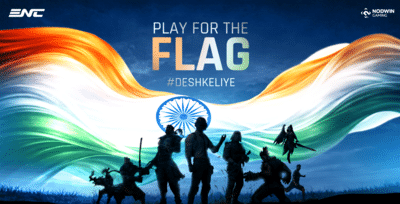
“NODWIN has been part of the esports journey in India from the very beginning, from a time when people didn’t fully understand what esports was. NODWIN’s been there from day one,” he said during the interaction, recalling a time when esports itself required explanation. The ambition then was to make it ‘the second-largest sport in the country after cricket.’
That may still be aspirational, but the contours are changing. The idea of #DeshKeLiye, playing for the country, introduces a different emotional currency into esports. “You’re not just representing a club anymore, you’re representing the country,” Raut noted.
India’s Potential and What Lies Ahead
From an Indian perspective, both Jagnow and Raut see significant potential. “I think, undeniably, India is a core market for the future of esports, and also for its present growth. If you look at the numbers, we expect to reach about $1.5 billion in player spending by 2028. By 2029–2030, we’re expecting around 750 million active gamers in India. The question then is how this translates into esports, the competitive side of gaming. Through our national team partner, we are well positioned to activate that potential,” Jagnow replied to a TimesofIndia.com query.
But as Raut mentioned, over the past few years, India has been somewhat disconnected from the global esports structure due to the unavailability of multiple titles in the country. He hopes ENC will change that, alongside addressing another key aspect of the Indian market - perception.
“There’s also an important cultural shift. India has always been a perception-driven market. When parents begin to see their children competing internationally, representing India in games like Mobile Legends or Honor of Kings, that sense of national representation will change mindsets. That badge of representing the country will carry meaning. It will create a new kind of momentum. The next five to six years, we believe, will be transformative for India,” Raut said.
“Now, with the Esports Nations Cup, we finally have the opportunity to compete in key mobile titles where India has both a massive player base and strong talent. In addition, we have chess and several PC titles where India has historically performed well. This creates a strong multi-platform ecosystem,” he added.
With partners now announced, the focus shifts to selecting coaches and players, followed by qualification cycles through mid-2026, and a ramp-up into the November finals.
Beyond that, the ENC’s ambitions are longer-term, because for the first time, esports is attempting to organise itself not just around games or organisations, but around countries. And in that shift from clubs to flags could lie the possibility of something more enduring than just competition, but of belonging.
But with the Esports Nations Cup ( ENC ), there is an attempt to bridge that gap.
If the Esports World Cup ( EWC ) has come to represent the pinnacle of club-based competition, the idea with ENC, as Hans Jagnow , Director, Special Projects, The Esports Foundation, puts it, is to “bring together the world’s best players to compete for the honour of representing their countries,” while ensuring “true worldwide participation” through a mix of direct invites and open qualifiers.
“The Esports Nations Cup 2026 is the first global, recurring, multi-title national esports competition. Every two years, we will bring together the world’s best players to compete for the honour of representing their countries and territories,” said Jagnow during a select media interaction.
Every two years, the tournament aims to bring together national teams across 16 titles, from Chess and DOTA 2 to VALORANT, PUBG Mobile and Apex Legends, in a four-week, multi-platform competition designed to mirror the scale and emotional pull of traditional global sport.
Backed by a USD 45 million investment pool, including USD 20 million in prize money and an equal allocation towards national team development, the ENC’s ultimate goal is as much about building infrastructure as it is about competition.
The NTP Model and India’s Selection
But bringing together countries is far more complex than clubs for a competition, and that is where ENC’s unique approach of National Team Partners might hold the key. Unlike traditional federations or governing bodies, the NTP model will outsource national ecosystem building to organisations already embedded within their respective markets.
“We are aware that we need to build this through partnerships in every nation,” Jagnow said, stressing local collaboration’s central role in the success of ENC. The response was strong, with over 630 applications across more than 150 countries, requiring due diligence and over a month to shortlist the selected NTPs.
For India, the decision was as much about validation as it was about opportunity. The appointment of NODWIN Gaming as its National Team Partner made clear sense.
“NODWIN Gaming has been a key architect of the Indian community… we couldn’t think of anyone better to bring together the ENC national team for India,” Jagnow said, describing the country itself as a ‘not-so-silent powerhouse of esports on the global stage.’
India’s esports scene has often been one of scale without structure, with millions of players but limited pathways to global representation. The ENC, and by extension the NTP model, attempts to formalise that pathway.
For NODWIN, the mandate is expansive. The organisation will lead team formation, identify and nurture talent, mobilise grassroots communities, and coordinate with publishers and stakeholders to create a pipeline from domestic play to international representation.
“There hasn’t been a unified pathway for players to represent the country on a global stage,” Nimish Raut, Global Head of Esports: Partnerships & Special Projects at NODWIN Gaming said, calling the ENC ‘a defining shift in how competitive gaming is structured globally’.
“NODWIN has been part of the esports journey in India from the very beginning, from a time when people didn’t fully understand what esports was. NODWIN’s been there from day one,” he said during the interaction, recalling a time when esports itself required explanation. The ambition then was to make it ‘the second-largest sport in the country after cricket.’
That may still be aspirational, but the contours are changing. The idea of #DeshKeLiye, playing for the country, introduces a different emotional currency into esports. “You’re not just representing a club anymore, you’re representing the country,” Raut noted.
India’s Potential and What Lies Ahead
From an Indian perspective, both Jagnow and Raut see significant potential. “I think, undeniably, India is a core market for the future of esports, and also for its present growth. If you look at the numbers, we expect to reach about $1.5 billion in player spending by 2028. By 2029–2030, we’re expecting around 750 million active gamers in India. The question then is how this translates into esports, the competitive side of gaming. Through our national team partner, we are well positioned to activate that potential,” Jagnow replied to a TimesofIndia.com query.
But as Raut mentioned, over the past few years, India has been somewhat disconnected from the global esports structure due to the unavailability of multiple titles in the country. He hopes ENC will change that, alongside addressing another key aspect of the Indian market - perception.
“There’s also an important cultural shift. India has always been a perception-driven market. When parents begin to see their children competing internationally, representing India in games like Mobile Legends or Honor of Kings, that sense of national representation will change mindsets. That badge of representing the country will carry meaning. It will create a new kind of momentum. The next five to six years, we believe, will be transformative for India,” Raut said.
“Now, with the Esports Nations Cup, we finally have the opportunity to compete in key mobile titles where India has both a massive player base and strong talent. In addition, we have chess and several PC titles where India has historically performed well. This creates a strong multi-platform ecosystem,” he added.
With partners now announced, the focus shifts to selecting coaches and players, followed by qualification cycles through mid-2026, and a ramp-up into the November finals.
Beyond that, the ENC’s ambitions are longer-term, because for the first time, esports is attempting to organise itself not just around games or organisations, but around countries. And in that shift from clubs to flags could lie the possibility of something more enduring than just competition, but of belonging.
Next Story