
All You Need To Know About Formula 1’s 2026 Regulations

Formula 1 is preparing for one of the most sweeping technical transformations in its modern history. Beginning in 2026, the sport will usher in a new regulatory framework that reshapes car design, hybrid power systems, race strategy and sustainability standards. The overhaul is not merely cosmetic. It is engineered to make cars more agile, improve on-track competition and align the championship more closely with future automotive technology. Manufacturers old and new are already responding, signalling a significant shift in the competitive landscape.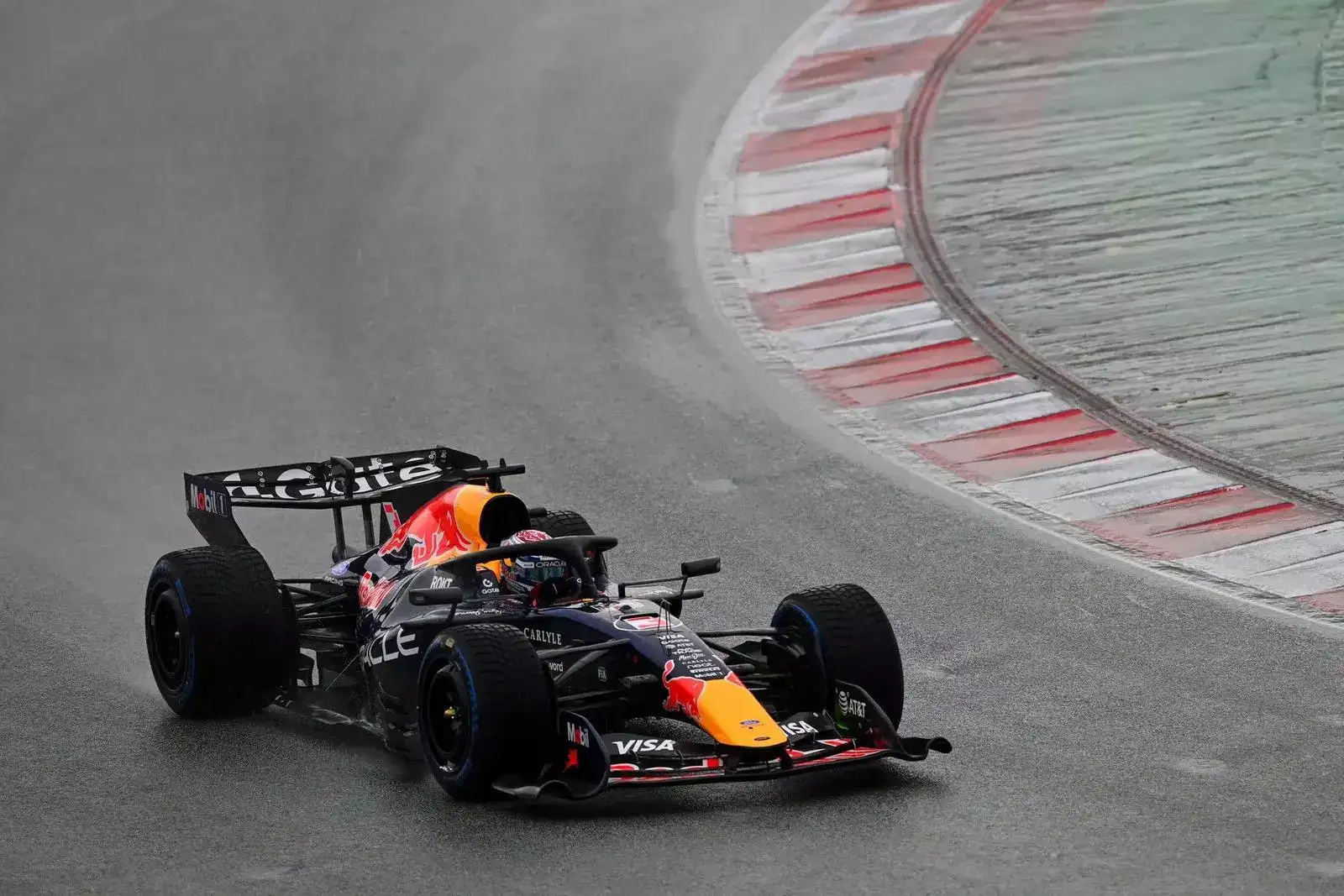
Tyre dimensions will also evolve. While 18-inch tyres remain, they will be narrower, cutting aerodynamic drag and trimming weight. Design elements such as the wheel arch covers seen in recent seasons will disappear, contributing further to cleaner airflow and reduced mass. Collectively, these measures aim to produce cars that feel sharper to drive and more dynamic to watch.
Flatter floors will replace the long venturi tunnels, paired with extended diffusers featuring larger openings. This shift reduces total downforce and requires higher ride heights. The expected outcome is twofold — a wider range of viable car set-ups and improved racing variety, as teams pursue different performance philosophies.
Less turbulent airflow should also make it easier for drivers to follow rivals through corners, potentially increasing overtaking opportunities across a race distance.
On the contrary, the front wing will remain a crucial performance differentiator, heavily influencing airflow management across the entire car. Teams are expected to focus significant development resources here, making it a central technical battleground.
In corners, wing elements remain closed to maximise grip. On designated straights, drivers can switch to a low-drag configuration, flattening the wings to boost top speed. Unlike previous overtaking aids, this system is available to all drivers on every lap.
This evolution effectively replaces the current drag reduction system. However, strategic overtaking tools remain.
Alongside this sits the Boost function — a deployable burst of hybrid power usable for both offence and defence, provided sufficient battery charge exists. Drivers can deploy it in a single surge or distribute usage across the lap.
Energy management deepens further through selectable battery recharge modes. Working with engineers, drivers can optimise how energy is harvested under braking or throttle lift, adding another tactical dimension to racecraft.
Electric motor power will increase dramatically, creating an approximate 50-50 split between combustion and electrical energy. This makes the technology more relevant to road-car development and more appealing to global manufacturers.
The Energy Recovery System will harvest significantly more power per lap, doubling battery recharge capability through braking and energy capture phases. Meanwhile, the complex heat-recovery component used previously will be removed, simplifying the system and reducing weight.
This move positions the championship at the forefront of sustainable motorsport innovation, demonstrating that high performance and reduced environmental impact can coexist.
The survival cell surrounding the driver will undergo more demanding structural testing. The roll hoop — a critical crash protection component — will be strengthened to withstand substantially higher loads. Front impact structures will adopt a staged energy absorption design, improving protection in multi-impact incidents.
These refinements aim to raise protection standards without compromising performance ambitions.
Greater supplier diversity is expected to intensify innovation, reduce competitive gaps and enhance long-term championship stability.
With reduced downforce, smarter energy use and adjustable aerodynamics, racing could become more strategic, more varied and more unpredictable.
Formula 1’s next era will still deliver speed and spectacle — but it will do so through cleaner technology, closer competition and a technical philosophy aligned with the future of mobility.
Smaller, Lighter And More Agile Machines
One of the most visible changes will be the physical transformation of the cars themselves. The next generation of machines will be shorter in length, narrower in width and lighter overall. A reduced wheelbase is expected to enhance responsiveness, particularly through tight and medium-speed corners where agility plays a decisive role.Tyre dimensions will also evolve. While 18-inch tyres remain, they will be narrower, cutting aerodynamic drag and trimming weight. Design elements such as the wheel arch covers seen in recent seasons will disappear, contributing further to cleaner airflow and reduced mass. Collectively, these measures aim to produce cars that feel sharper to drive and more dynamic to watch.
Aerodynamic Philosophy Rewritten
The aerodynamic rulebook is being fundamentally reworked. Recent regulations placed heavy emphasis on ground-effect tunnels beneath the car, generating large volumes of downforce. From 2026, that concept will be scaled back.Flatter floors will replace the long venturi tunnels, paired with extended diffusers featuring larger openings. This shift reduces total downforce and requires higher ride heights. The expected outcome is twofold — a wider range of viable car set-ups and improved racing variety, as teams pursue different performance philosophies.
Less turbulent airflow should also make it easier for drivers to follow rivals through corners, potentially increasing overtaking opportunities across a race distance.
Simpler Wings, Smarter Functionality
Front and rear wings will adopt simpler structures with fewer elements. Rear beam wings will be eliminated entirely, while front wings will feature narrower profiles. However, these simplified designs do not mean reduced importance.On the contrary, the front wing will remain a crucial performance differentiator, heavily influencing airflow management across the entire car. Teams are expected to focus significant development resources here, making it a central technical battleground.
Active Aerodynamics Replace Traditional Systems
Among the most revolutionary additions is Active Aerodynamics. Both front and rear wings will be adjustable, allowing drivers to alter flap angles depending on track position.In corners, wing elements remain closed to maximise grip. On designated straights, drivers can switch to a low-drag configuration, flattening the wings to boost top speed. Unlike previous overtaking aids, this system is available to all drivers on every lap.
This evolution effectively replaces the current drag reduction system. However, strategic overtaking tools remain.
New Tactical Tools For Drivers
Drivers will have access to an enhanced Overtake Mode when running close behind another car. This system releases additional electrical energy, enabling more potent attack phases at key detection points.Alongside this sits the Boost function — a deployable burst of hybrid power usable for both offence and defence, provided sufficient battery charge exists. Drivers can deploy it in a single surge or distribute usage across the lap.
Energy management deepens further through selectable battery recharge modes. Working with engineers, drivers can optimise how energy is harvested under braking or throttle lift, adding another tactical dimension to racecraft.
Hybrid Power Units Enter A New Era
Beneath the bodywork, the hybrid architecture will undergo a major rebalance. The core 1.6-litre turbocharged V6 engine remains, but its contribution to total output will decrease.Electric motor power will increase dramatically, creating an approximate 50-50 split between combustion and electrical energy. This makes the technology more relevant to road-car development and more appealing to global manufacturers.
The Energy Recovery System will harvest significantly more power per lap, doubling battery recharge capability through braking and energy capture phases. Meanwhile, the complex heat-recovery component used previously will be removed, simplifying the system and reducing weight.
Sustainable Fuel Takes Centre Stage
For the first time, Formula 1 cars will run entirely on advanced sustainable fuel. Developed from sources such as captured carbon emissions, municipal waste and non-food biomass, the fuel meets strict environmental certification standards.This move positions the championship at the forefront of sustainable motorsport innovation, demonstrating that high performance and reduced environmental impact can coexist.
Safety Engineering Advances Further
Performance is only one pillar of the 2026 regulations. Safety enhancements remain central.The survival cell surrounding the driver will undergo more demanding structural testing. The roll hoop — a critical crash protection component — will be strengthened to withstand substantially higher loads. Front impact structures will adopt a staged energy absorption design, improving protection in multi-impact incidents.
These refinements aim to raise protection standards without compromising performance ambitions.
Manufacturer Interest And Competitive Impact
The regulatory shift has already drawn strong industry engagement. Established engine suppliers remain invested, while new entrants are committing resources to future programmes. Additional manufacturers are set to join the grid later in the cycle, underlining confidence in the technical direction.Greater supplier diversity is expected to intensify innovation, reduce competitive gaps and enhance long-term championship stability.
A New Competitive Landscape Emerges
The 2026 framework is designed to challenge both engineers and drivers. Teams must master new aerodynamic balances, hybrid energy deployment and active systems, while drivers juggle expanded tactical tools during wheel-to-wheel combat.With reduced downforce, smarter energy use and adjustable aerodynamics, racing could become more strategic, more varied and more unpredictable.
Formula 1’s next era will still deliver speed and spectacle — but it will do so through cleaner technology, closer competition and a technical philosophy aligned with the future of mobility.
Next Story