
Australia’s T20 World Cup 2026 Fiasco: Selection Blunders, Smith Snub and Early Exit

Australia’s campaign at the 2026 ICC Men’s T20 World Cup ended in unexpected humiliation, with the defending champions failing to progress beyond the group stage, a shock exit that has ignited fierce debate among experts, former players, and fans alike. This early departure, confirmed after rain ensured Zimbabwe’s qualification and Australia’s elimination, marked a bitter low point for a side long considered one of cricket’s elite.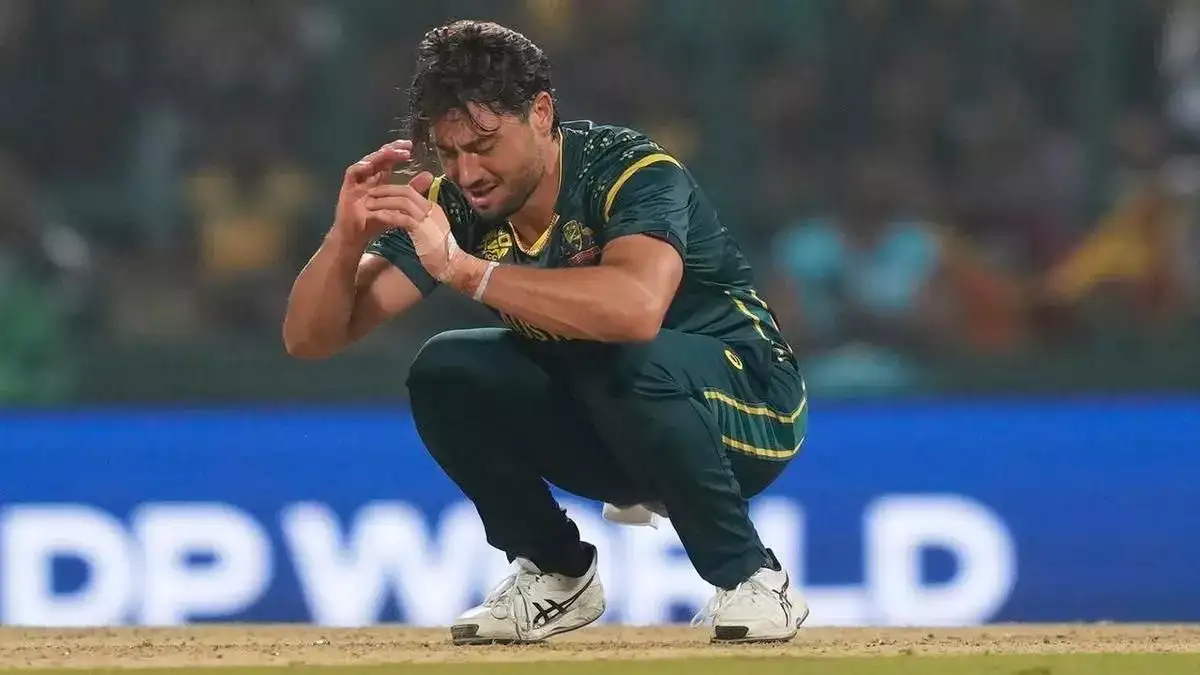
While cricket is always unpredictable, pundits believe a combination of misfortune, poor selection choices, and injuries contributed to Australia’s downfall. Chief among the controversies was the handling of Steve Smith, one of the country’s most accomplished batters - whose inclusion and utilization became a central talking point. After an outstanding Big Bash League season, Smith was controversially left out of the original T20 World Cup squad despite his red-hot form. This decision raised eyebrows given his experience and consistency in pressure situations.
Smith was eventually flown in as cover for injured captain Mitchell Marsh and later formally added to the squad as a replacement for Josh Hazlewood, who was ruled out with injury, only days before Australia’s crucial clash with Sri Lanka. Yet critics argue the move came too late, with selectors appearing hesitant to fully commit to playing him.
Former Australian great Mark Waugh lambasted the selection panel, calling Smith’s initial omission “the most baffling non-selection” he could recall and suggesting the entire tournament felt “doomed from the get-go.” Waugh pointed to the inclusion of several out-of-form players, such as Glenn Maxwell and Cooper Connolly, over the in-form Smith as evidence of flawed judgment.
Veteran commentator Ian Healy went further, describing Australia’s assembling of “all finishers, no starters” as a fundamental technical problem and even called the tactical approach an “insult” to the tradition of Australian cricket. Such pointed critiques reflect a growing sentiment that the team lacked the right balance of experience and strategy needed for success on the global stage.
Compounding the selection debates were injuries to key fast bowlers. Pat Cummins and Mitch Starc were unavailable due to fitness issues, while Hazlewood’s late withdrawal robbed the side of its most potent pace option. This depleted bowling attack struggled to maintain pressure, particularly in subcontinental conditions where spin and variation are crucial.
On the field, Australia’s performance was inconsistent. They secured a convincing win over Ireland but then suffered defeats to Zimbabwe and Sri Lanka, the latter seeing Australia fail to defend a competitive total. The collapse against Zimbabwe, where they lost by 23 runs despite a promising start, further showcased the team’s struggles in key moments.
The fallout from the early exit has been intense. Cricket Australia now faces scrutiny over player management, tactical decisions, and future direction in T20 cricket. With fans and former players alike calling for introspection, the tournament could mark a turning point in how the national team approaches selection, preparation, and strategy.
While cricket is always unpredictable, pundits believe a combination of misfortune, poor selection choices, and injuries contributed to Australia’s downfall. Chief among the controversies was the handling of Steve Smith, one of the country’s most accomplished batters - whose inclusion and utilization became a central talking point. After an outstanding Big Bash League season, Smith was controversially left out of the original T20 World Cup squad despite his red-hot form. This decision raised eyebrows given his experience and consistency in pressure situations.
Smith was eventually flown in as cover for injured captain Mitchell Marsh and later formally added to the squad as a replacement for Josh Hazlewood, who was ruled out with injury, only days before Australia’s crucial clash with Sri Lanka. Yet critics argue the move came too late, with selectors appearing hesitant to fully commit to playing him.
Former Australian great Mark Waugh lambasted the selection panel, calling Smith’s initial omission “the most baffling non-selection” he could recall and suggesting the entire tournament felt “doomed from the get-go.” Waugh pointed to the inclusion of several out-of-form players, such as Glenn Maxwell and Cooper Connolly, over the in-form Smith as evidence of flawed judgment.
Veteran commentator Ian Healy went further, describing Australia’s assembling of “all finishers, no starters” as a fundamental technical problem and even called the tactical approach an “insult” to the tradition of Australian cricket. Such pointed critiques reflect a growing sentiment that the team lacked the right balance of experience and strategy needed for success on the global stage.
Compounding the selection debates were injuries to key fast bowlers. Pat Cummins and Mitch Starc were unavailable due to fitness issues, while Hazlewood’s late withdrawal robbed the side of its most potent pace option. This depleted bowling attack struggled to maintain pressure, particularly in subcontinental conditions where spin and variation are crucial.
On the field, Australia’s performance was inconsistent. They secured a convincing win over Ireland but then suffered defeats to Zimbabwe and Sri Lanka, the latter seeing Australia fail to defend a competitive total. The collapse against Zimbabwe, where they lost by 23 runs despite a promising start, further showcased the team’s struggles in key moments.
The fallout from the early exit has been intense. Cricket Australia now faces scrutiny over player management, tactical decisions, and future direction in T20 cricket. With fans and former players alike calling for introspection, the tournament could mark a turning point in how the national team approaches selection, preparation, and strategy.
Next Story