
Bangladesh’s New Sports Minister Pushes to Mend Cricket Ties With India After T20 World Cup Row

In the aftermath of Bangladesh’s unexpected absence from the ICC Men’s T20 World Cup 2026, the nation’s newly appointed State Minister for Youth and Sports, Aminul Haque, has taken a proactive stance towards repairing strained cricketing relations with neighbouring India. Haque’s comments mark a diplomatic shift after a series of contentious events that culminated in Bangladesh being replaced by Scotland in the marquee tournament.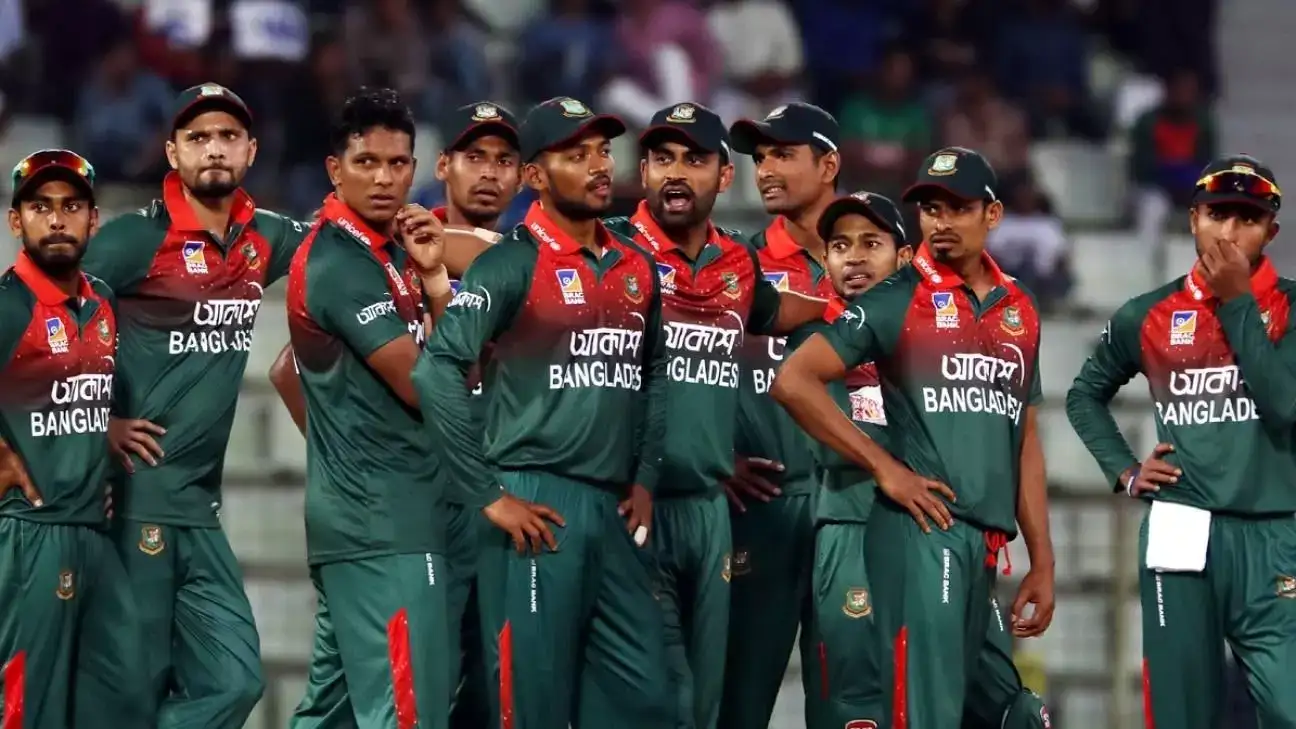
The controversy began when Bangladesh refused to travel to India for its scheduled T20 World Cup group-stage matches, citing security and political concerns rooted in earlier tensions over the Indian Premier League (IPL), specifically, the removal of Bangladesh pacer Mustafizur Rahman from an IPL franchise on directives linked to the BCCI. Bangladesh sought to have its World Cup fixtures moved to co-host Sri Lanka, but the International Cricket Council (ICC) rejected that request, ultimately deciding to replace Bangladesh with Scotland.
Despite the setback, Bangladesh avoided any formal penalty from the ICC for its non-participation. In early February, the ICC stated the decision to exclude Bangladesh was not intended as punishment and even extended future hosting opportunities, including rights to stage an ICC event before the 2031 men’s ODI World Cup for which Bangladesh is a co-host.
Taking over in the new Bangladesh Nationalist Party (BNP) government, Aminul Haque, a former national football captain has emphasised the importance of rebuilding goodwill not only in cricket but across all areas of bilateral cooperation. Shortly after taking his oath of office, Haque met with the Deputy High Commissioner of India in Dhaka, describing the discussion as “cordial” and focused on resolving the World Cup dispute through dialogue. “We want to resolve this issue quickly because we want to maintain friendly relations with all our neighbouring countries,” Haque stated.
Haque acknowledged that diplomatic friction had contributed to Bangladesh’s non-participation and expressed regret at how events unfolded, noting that earlier engagement could have potentially preserved Bangladesh’s place in the tournament. This gesture underscores a pragmatic approach, recognising the emotional and cultural significance of India-Bangladesh cricket ties while seeking to build a constructive path forward.
Cricket analysts and regional observers see Haque’s efforts as a strategic reset. With India scheduled to tour Bangladesh later this year for white-ball series, this renewed outreach could set the stage for improved cooperation on and off the field. Restoring trust between the Bangladesh Cricket Board (BCB) and the Board of Control for Cricket in India (BCCI) remains a critical step, given cricket’s deep social and diplomatic resonance across South Asia.
Haque’s push also reflects broader national priorities under the new government, which seeks to stabilise and prioritise the sport that commands enormous public support and national pride. While the T20 World Cup controversy remains a blemish, the current momentum towards dialogue offers hope for more harmonious bilateral cricket relations in future series and ICC events.
The controversy began when Bangladesh refused to travel to India for its scheduled T20 World Cup group-stage matches, citing security and political concerns rooted in earlier tensions over the Indian Premier League (IPL), specifically, the removal of Bangladesh pacer Mustafizur Rahman from an IPL franchise on directives linked to the BCCI. Bangladesh sought to have its World Cup fixtures moved to co-host Sri Lanka, but the International Cricket Council (ICC) rejected that request, ultimately deciding to replace Bangladesh with Scotland.
Despite the setback, Bangladesh avoided any formal penalty from the ICC for its non-participation. In early February, the ICC stated the decision to exclude Bangladesh was not intended as punishment and even extended future hosting opportunities, including rights to stage an ICC event before the 2031 men’s ODI World Cup for which Bangladesh is a co-host.
You may also like
- Agniveer allegedly shoots himself dead in Jammu
 “Don't Go For….,” MS Dhoni's Simple Advice That Transformed Shivam Dube's Career
- Cong is vast ocean, no impact of Bhupen Borah's exit: Assam MLA
- Ramadan 2026: Rituals, Do's And Dont's To Follow In This Spiritual Month
- Maharashtra CM Devendra Fadnavis recalls Shivaji Maharaj's legacy on his birth anniversary
Taking over in the new Bangladesh Nationalist Party (BNP) government, Aminul Haque, a former national football captain has emphasised the importance of rebuilding goodwill not only in cricket but across all areas of bilateral cooperation. Shortly after taking his oath of office, Haque met with the Deputy High Commissioner of India in Dhaka, describing the discussion as “cordial” and focused on resolving the World Cup dispute through dialogue. “We want to resolve this issue quickly because we want to maintain friendly relations with all our neighbouring countries,” Haque stated.
Haque acknowledged that diplomatic friction had contributed to Bangladesh’s non-participation and expressed regret at how events unfolded, noting that earlier engagement could have potentially preserved Bangladesh’s place in the tournament. This gesture underscores a pragmatic approach, recognising the emotional and cultural significance of India-Bangladesh cricket ties while seeking to build a constructive path forward.
Cricket analysts and regional observers see Haque’s efforts as a strategic reset. With India scheduled to tour Bangladesh later this year for white-ball series, this renewed outreach could set the stage for improved cooperation on and off the field. Restoring trust between the Bangladesh Cricket Board (BCB) and the Board of Control for Cricket in India (BCCI) remains a critical step, given cricket’s deep social and diplomatic resonance across South Asia.
Haque’s push also reflects broader national priorities under the new government, which seeks to stabilise and prioritise the sport that commands enormous public support and national pride. While the T20 World Cup controversy remains a blemish, the current momentum towards dialogue offers hope for more harmonious bilateral cricket relations in future series and ICC events.






More from our partners


Loving Newspoint? Download the app now
