
No More A+ Category? BCCI Likely to Demote Virat Kohli and Rohit Sharma to Grade B in 2026 Central Contracts

The Board of Control for Cricket in India (BCCI) is set to implement a significant overhaul of its annual central contract system, a move that could see cricket legends Virat Kohli and Rohit Sharma demoted to a lower pay grade. The restructuring, recommended by the selection committee led by chief selector Ajit Agarkar, proposes eliminating the prestigious Grade A+ category and consolidating contracts into just three tiers - A, B, and C - ahead of the 2026–27 contract cycle.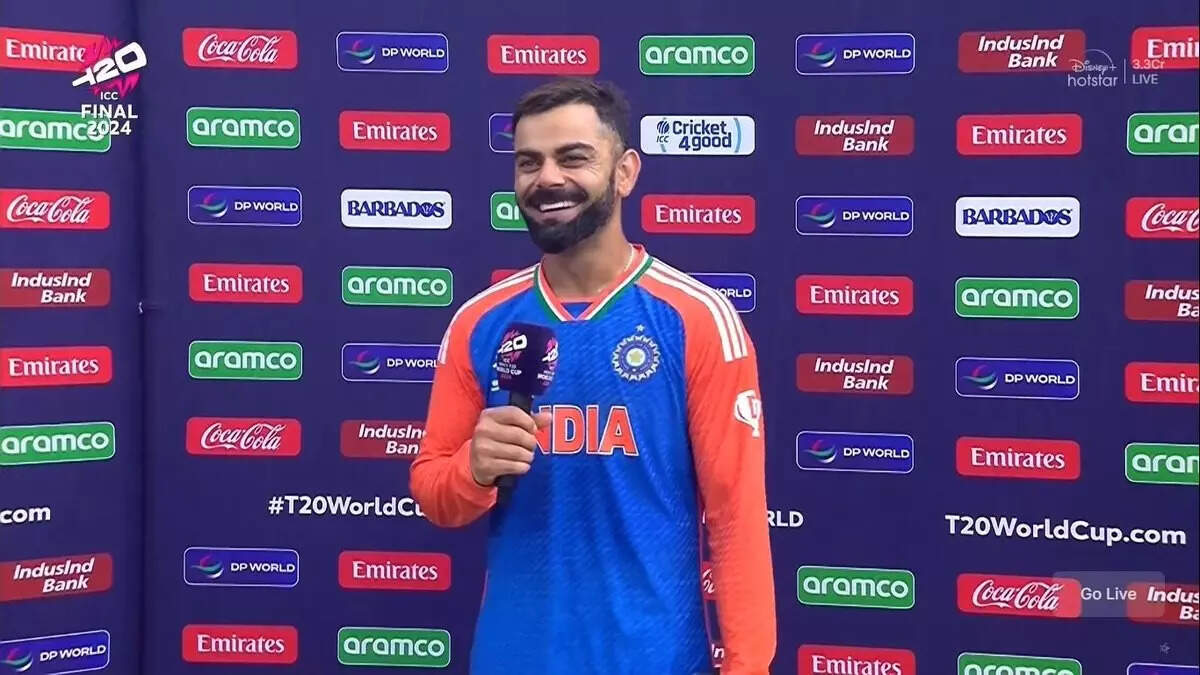
Currently, the BCCI central contracts’ annual retainers, paid separately from match fees, are divided into four grades: A+ (₹7 crore), A (₹5 crore), B (₹3 crore), and C (₹1 crore). The elite A+ list featured top performers such as Kohli, Rohit Sharma, Jasprit Bumrah, and Ravindra Jadeja during the 2024-25 cycle announced in April 2025.
However, with both Kohli and Rohit retired from Test cricket and the T20 format shifting focus mainly to ODIs, sources suggest they no longer meet the criteria envisioned for the top tier, which traditionally favours all-format players. Under the proposed model, players active only in limited formats could be moved to Grade B, effectively reducing their annual retainers unless the BCCI adjusts the pay scale accordingly.
For India’s modern cricket icons, this change would mark a notable departure from past privileges. Both have been central to India’s success across formats for nearly two decades, driving massive viewership and commercial value for the board. Critics argue that performance history and fan following should also be considered alongside format participation, while supporters of the new system stress fairness and alignment with current contributions.
The BCCI is expected to discuss the proposed revamp at its upcoming Apex Council meeting, where contract grades and the detailed financial framework for the revised system will be finalised. Selection committee sources told media outlets that the objective is to streamline the retainership system, placing greater emphasis on consistent international participation and future planning as Indian cricket transitions into a new era.
Besides potential demotions, the shake-up could lead to promotions for several younger players. Reports indicate that Shubman Gill, currently leading India in Tests and ODIs, is a strong contender for the redefined top grade due to his leadership role and multi-format commitments. Other emerging talents such as Yashasvi Jaiswal and Shreyas Iyer may also benefit from upward movement under the new hierarchy.
This overhaul mirrors broader trends in cricket administration worldwide, where boards increasingly tailor contracts to reflect actual format involvement and workload management. With India’s packed international calendar and the 2027 ODI World Cup approaching, the BCCI appears determined to balance honoring legacy players with preparing for future challenges.
Whether this contract overhaul will spark debate among fans or affect player morale remains uncertain. However, the proposed changes highlight that centrally contracted players’ status and pay now depend not only on their reputation but also on active involvement and strategic fit within the national setup.
Currently, the BCCI central contracts’ annual retainers, paid separately from match fees, are divided into four grades: A+ (₹7 crore), A (₹5 crore), B (₹3 crore), and C (₹1 crore). The elite A+ list featured top performers such as Kohli, Rohit Sharma, Jasprit Bumrah, and Ravindra Jadeja during the 2024-25 cycle announced in April 2025.
However, with both Kohli and Rohit retired from Test cricket and the T20 format shifting focus mainly to ODIs, sources suggest they no longer meet the criteria envisioned for the top tier, which traditionally favours all-format players. Under the proposed model, players active only in limited formats could be moved to Grade B, effectively reducing their annual retainers unless the BCCI adjusts the pay scale accordingly.
For India’s modern cricket icons, this change would mark a notable departure from past privileges. Both have been central to India’s success across formats for nearly two decades, driving massive viewership and commercial value for the board. Critics argue that performance history and fan following should also be considered alongside format participation, while supporters of the new system stress fairness and alignment with current contributions.
The BCCI is expected to discuss the proposed revamp at its upcoming Apex Council meeting, where contract grades and the detailed financial framework for the revised system will be finalised. Selection committee sources told media outlets that the objective is to streamline the retainership system, placing greater emphasis on consistent international participation and future planning as Indian cricket transitions into a new era.
Besides potential demotions, the shake-up could lead to promotions for several younger players. Reports indicate that Shubman Gill, currently leading India in Tests and ODIs, is a strong contender for the redefined top grade due to his leadership role and multi-format commitments. Other emerging talents such as Yashasvi Jaiswal and Shreyas Iyer may also benefit from upward movement under the new hierarchy.
This overhaul mirrors broader trends in cricket administration worldwide, where boards increasingly tailor contracts to reflect actual format involvement and workload management. With India’s packed international calendar and the 2027 ODI World Cup approaching, the BCCI appears determined to balance honoring legacy players with preparing for future challenges.
Whether this contract overhaul will spark debate among fans or affect player morale remains uncertain. However, the proposed changes highlight that centrally contracted players’ status and pay now depend not only on their reputation but also on active involvement and strategic fit within the national setup.
Next Story