
Cristiano Ronaldo Refuses to Play for Al-Nassr Amid Management Dispute

Portugal and football legend Cristiano Ronaldo has reportedly refused to play for Al-Nassr in their Saudi Pro League match against Al Riyadh not due to fitness or rest, but out of frustration with club management, according to multiple media reports. The Portuguese publication A Bola and other outlets suggest that Ronaldo’s absence stems from deeper discontent with how the club is being run under the Saudi Public Investment Fund (PIF), which also controls Al-Nassr.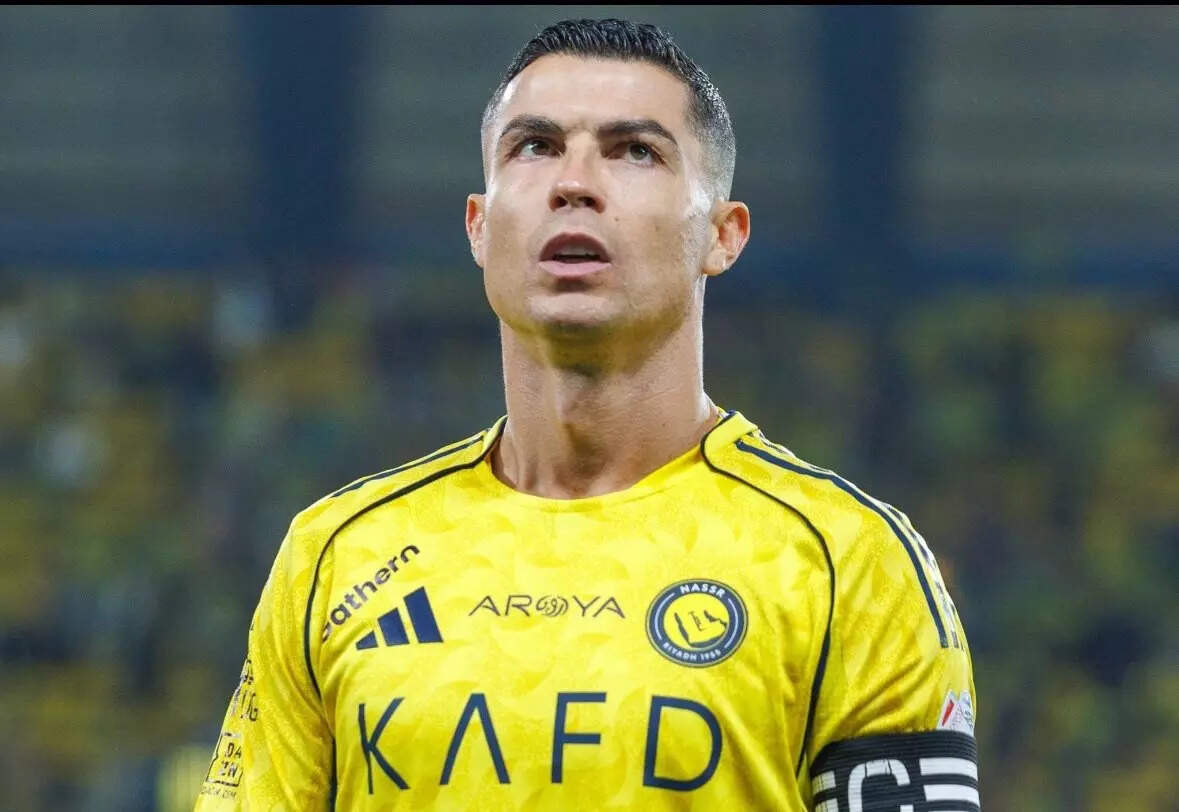
The 40-year-old forward’s refusal to take the field marks a rare public clash between one of world football’s most iconic players and the club that has defined his late-career chapter. Initially, local press in Saudi Arabia attributed Ronaldo’s non-selection to strategic rest ahead of a crucial fixture. However, A Bola and reporting from European sources assert that Ronaldo’s decision is a protest against perceived preferential treatment toward rival clubs like Al Hilal, as well as frustration over limited support in the transfer market and managerial decisions.
This tension highlights a broader issue at Al-Nassr, where Ronaldo despite his legendary status has yet to deliver major silverware. Since his arrival in late 2022, Ronaldo has consistently scored goals, but the club has fallen short in major competitions, including the Saudi Pro League and King’s Cup. Critics have argued that the club’s lack of investment in quality signings and strategic vision has hindered its ability to compete with well-funded rivals.
Compounding Ronaldo’s frustration is the alteration in the club’s leadership structure. Two key Portuguese executives Director of Football Simão Coutinho and CEO José Semedo reportedly had their powers curtailed by the club’s administration earlier in the season, a move that may have undermined Ronaldo’s confidence in the management’s commitment to his project.
Ronaldo’s stand-off also arrives amid ongoing discussions about his future. While he signed a lucrative contract with Al-Nassr extending into 2027, speculation persists that he could explore new opportunities or negotiate an exit should relations with the club not improve. Reports suggest talks are “difficult” to retain Ronaldo for next season, with potential interest from other Saudi clubs and beyond.
From a sporting perspective, Al-Nassr’s leadership is now in a delicate position. The club must balance the demands of its marquee star with the expectations of a highly competitive league and a global fanbase that has grown due to Ronaldo’s presence. Pundits and former players have weighed in, with some criticizing Ronaldo’s individual focus, and others echoing fans’ calls for better structural support to help the team convert individual brilliance into silverware.
Ultimately, Ronaldo’s refusal to play goes beyond a single match; it underscores a larger crisis of alignment between player ambition and club vision. As the season progresses, all eyes will be on both Ronaldo and Al-Nassr’s hierarchy to see whether this dispute deepens or leads to meaningful change. If unresolved, this standoff could have implications for Saudi football’s global reputation and Ronaldo’s own legacy.
The 40-year-old forward’s refusal to take the field marks a rare public clash between one of world football’s most iconic players and the club that has defined his late-career chapter. Initially, local press in Saudi Arabia attributed Ronaldo’s non-selection to strategic rest ahead of a crucial fixture. However, A Bola and reporting from European sources assert that Ronaldo’s decision is a protest against perceived preferential treatment toward rival clubs like Al Hilal, as well as frustration over limited support in the transfer market and managerial decisions.
This tension highlights a broader issue at Al-Nassr, where Ronaldo despite his legendary status has yet to deliver major silverware. Since his arrival in late 2022, Ronaldo has consistently scored goals, but the club has fallen short in major competitions, including the Saudi Pro League and King’s Cup. Critics have argued that the club’s lack of investment in quality signings and strategic vision has hindered its ability to compete with well-funded rivals.
Compounding Ronaldo’s frustration is the alteration in the club’s leadership structure. Two key Portuguese executives Director of Football Simão Coutinho and CEO José Semedo reportedly had their powers curtailed by the club’s administration earlier in the season, a move that may have undermined Ronaldo’s confidence in the management’s commitment to his project.
Ronaldo’s stand-off also arrives amid ongoing discussions about his future. While he signed a lucrative contract with Al-Nassr extending into 2027, speculation persists that he could explore new opportunities or negotiate an exit should relations with the club not improve. Reports suggest talks are “difficult” to retain Ronaldo for next season, with potential interest from other Saudi clubs and beyond.
From a sporting perspective, Al-Nassr’s leadership is now in a delicate position. The club must balance the demands of its marquee star with the expectations of a highly competitive league and a global fanbase that has grown due to Ronaldo’s presence. Pundits and former players have weighed in, with some criticizing Ronaldo’s individual focus, and others echoing fans’ calls for better structural support to help the team convert individual brilliance into silverware.
Ultimately, Ronaldo’s refusal to play goes beyond a single match; it underscores a larger crisis of alignment between player ambition and club vision. As the season progresses, all eyes will be on both Ronaldo and Al-Nassr’s hierarchy to see whether this dispute deepens or leads to meaningful change. If unresolved, this standoff could have implications for Saudi football’s global reputation and Ronaldo’s own legacy.
Next Story