Why the Ashes Could Be a Career-Defining Series for Ollie Pope

The 2025-26 Ashes series in Australia has turned into one of the most uncomfortable tours for England cricket, highlighted by a string of disappointing losses that have exposed serious flaws in the team’s strategy, structure, and personnel choices. After being hammered in the first three Tests including a crushing defeat inside two days England’s much-touted Bazball approach appears to have unravelled under the pressure of genuine Test conditions down under.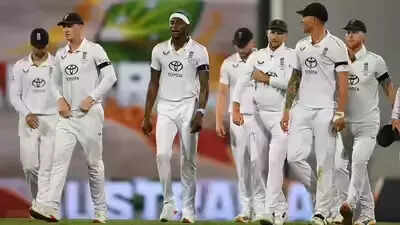
At its core, Bazball was built on ultra-aggressive batting, relentless intent, and fearless cricket, championed by coach Brendon McCullum. Yet in Australia, that aggression has often tipped into recklessness. England’s batters repeatedly lunged at bad balls, gifting their wickets to an Australia attack that blended discipline with sheer skill. The result? Early collapses, lack of partnerships, and missed opportunities to build competitive totals. Critics now argue that Bazball lacks the nuance and patience required in Tests, especially on seaming pitches where building innings through resilience is crucial.
One of the most glaring examples of this failure is Ollie Pope. Once seen as a cornerstone of England’s middle order, Pope has endured a torrid Ashes run, scoring just 125 runs in six innings with no half-centuries and a batting average well below expectations. His inability to convert starts into big scores has been costly for England, ultimately leading to his dropping for the Boxing Day Test. This omission is reflective not only of Pope’s struggles but also of a broader selection conundrum: England’s top order lacks consistent, technically sound batsmen capable of thriving in challenging overseas conditions.
Adding to England’s woes is the plight of Jofra Archer, who, despite being one of the few bright sparks with the ball this series, has been ruled out of the remainder of the Ashes with a side strain. Archer’s absence deprives England of their most consistent bowler in the series and accentuates the team’s over-reliance on a small pool of match-winners rather than a robust seam attack capable of sustained pressure and control.
While England has shown flashes of competence including a spirited bowling effort at the Melbourne Cricket Ground where Australia were dismissed for 152 these moments have been sporadic and overshadowed by a pattern of inconsistent batting and strategic missteps.
Beyond individual performances, the Ashes tour has exposed systemic issues in preparation and team planning. England entered the series with minimal warm-up matches in Australian conditions, a decision that in hindsight appears to have handicapped their adaptability. The touring side often looked under-prepared and unable to adjust when Australia seized control and this lack of readiness has been a point of critique from former players and pundits alike. (External critique from broader commentary landscape).
In summary, England’s Ashes performance in 2025–26 highlights the need for introspection on multiple fronts: reassessing Bazball’s application in varying conditions, finding genuine Test batters who can anchor innings, and building a pace attack with depth beyond injury-prone individuals. Without these changes, England’s hopes of regaining Ashes glory especially in Australia will remain slim.
At its core, Bazball was built on ultra-aggressive batting, relentless intent, and fearless cricket, championed by coach Brendon McCullum. Yet in Australia, that aggression has often tipped into recklessness. England’s batters repeatedly lunged at bad balls, gifting their wickets to an Australia attack that blended discipline with sheer skill. The result? Early collapses, lack of partnerships, and missed opportunities to build competitive totals. Critics now argue that Bazball lacks the nuance and patience required in Tests, especially on seaming pitches where building innings through resilience is crucial.
One of the most glaring examples of this failure is Ollie Pope. Once seen as a cornerstone of England’s middle order, Pope has endured a torrid Ashes run, scoring just 125 runs in six innings with no half-centuries and a batting average well below expectations. His inability to convert starts into big scores has been costly for England, ultimately leading to his dropping for the Boxing Day Test. This omission is reflective not only of Pope’s struggles but also of a broader selection conundrum: England’s top order lacks consistent, technically sound batsmen capable of thriving in challenging overseas conditions.
You may also like
 IANS Year Ender 2025: How CM Sharma redefined Rajasthan's bureaucracy in 2025
- NIA court extends custody of two accused in Red Fort Blast Case
- ICC Men's T20 WC 2026 Trophy Tour wraps up Qatar and Oman legs
- First-ever weapon database launched in India to strengthen anti-terror crime effort
- Congress targets PMO over Navneet Sahgal scam, alleges Rs 112-crore racket
Adding to England’s woes is the plight of Jofra Archer, who, despite being one of the few bright sparks with the ball this series, has been ruled out of the remainder of the Ashes with a side strain. Archer’s absence deprives England of their most consistent bowler in the series and accentuates the team’s over-reliance on a small pool of match-winners rather than a robust seam attack capable of sustained pressure and control.
While England has shown flashes of competence including a spirited bowling effort at the Melbourne Cricket Ground where Australia were dismissed for 152 these moments have been sporadic and overshadowed by a pattern of inconsistent batting and strategic missteps.
Beyond individual performances, the Ashes tour has exposed systemic issues in preparation and team planning. England entered the series with minimal warm-up matches in Australian conditions, a decision that in hindsight appears to have handicapped their adaptability. The touring side often looked under-prepared and unable to adjust when Australia seized control and this lack of readiness has been a point of critique from former players and pundits alike. (External critique from broader commentary landscape).
In summary, England’s Ashes performance in 2025–26 highlights the need for introspection on multiple fronts: reassessing Bazball’s application in varying conditions, finding genuine Test batters who can anchor innings, and building a pace attack with depth beyond injury-prone individuals. Without these changes, England’s hopes of regaining Ashes glory especially in Australia will remain slim.






More from our partners


