Boost, Overtake, Recharge: F1 Unveils New Racing Terms for 2026

Formula 1 is preparing for a dramatic shift in how races are fought and understood on track, with a new suite of terminology set to debut in the F1 2026 season. The changes aim to simplify complex Formula 1 technical regulations while highlighting driver strategy more clearly. According to F1, this marks the biggest overhaul of its technical language in modern history, replacing long-standing systems such as the Drag Reduction System (DRS) with terms that better reflect the sport’s evolving hybrid power units and aerodynamic philosophy.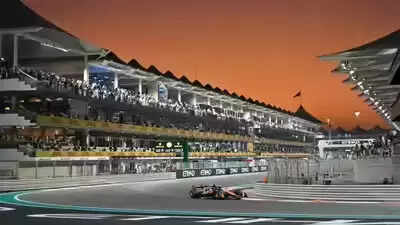
At the centre of the update is Overtake Mode, the direct successor to DRS under the Formula 1 2026 rules. Unlike traditional DRS, which mechanically opened a rear-wing flap in designated zones, Overtake Mode will deliver an additional burst of electrical and engine power to a driver running within one second of the car ahead. This extra energy can be deployed in a single push or strategically spread across the lap, encouraging more natural overtaking that relies on power management rather than a movable wing alone.
Complementing Overtake Mode is Boost Mode, a feature that allows drivers to unleash maximum output from both the internal combustion engine and the battery at the press of a button. Unlike Overtake Mode, which is restricted by proximity to another car, Boost Mode can be used anywhere on the circuit. This flexibility makes energy deployment and timing a crucial part of F1 race strategy in both attacking and defensive situations.
Formula 1’s aerodynamic approach is also set for a major reinvention with the introduction of Active Aero. This system replaces largely static aerodynamic surfaces with movable front and rear wing elements capable of switching between high-downforce and low-drag configurations. By improving grip through corners and reducing drag on straights, Active Aero is designed to promote closer racing across an entire lap, rather than limiting overtaking opportunities to specific zones.
Another key concept is Recharge, reflecting the growing importance of energy recovery in the next-generation F1 cars. With power units moving towards a near 50/50 split between internal combustion and electric power, drivers will need to carefully manage when and how they regenerate energy. Techniques such as braking, lifting off the throttle, or running partial power will become visible tactical choices, underlining that energy management is now a central and strategic element of Formula 1 racing.
Formula 1 has confirmed that these new terms were developed in consultation with the Fédération Internationale de l’Automobile (FIA), teams, engineers and fan groups. The objective is to reduce technical jargon and avoid unnecessary “gimmicks”, replacing them with language that clearly explains what drivers are doing on track. This approach is intended to make the sport more accessible to new fans while still engaging long-time followers.
These terminology changes are part of a broader technical transformation ahead of the F1 2026 season. The new cars will be lighter and narrower, feature slimmer tyres, and use power units that balance sustainable fuels with enhanced electric performance. Together, these updates signal Formula 1’s ambition to align with global automotive trends while reshaping its racing spectacle for the next decade.
At the centre of the update is Overtake Mode, the direct successor to DRS under the Formula 1 2026 rules. Unlike traditional DRS, which mechanically opened a rear-wing flap in designated zones, Overtake Mode will deliver an additional burst of electrical and engine power to a driver running within one second of the car ahead. This extra energy can be deployed in a single push or strategically spread across the lap, encouraging more natural overtaking that relies on power management rather than a movable wing alone.
Complementing Overtake Mode is Boost Mode, a feature that allows drivers to unleash maximum output from both the internal combustion engine and the battery at the press of a button. Unlike Overtake Mode, which is restricted by proximity to another car, Boost Mode can be used anywhere on the circuit. This flexibility makes energy deployment and timing a crucial part of F1 race strategy in both attacking and defensive situations.
Formula 1’s aerodynamic approach is also set for a major reinvention with the introduction of Active Aero. This system replaces largely static aerodynamic surfaces with movable front and rear wing elements capable of switching between high-downforce and low-drag configurations. By improving grip through corners and reducing drag on straights, Active Aero is designed to promote closer racing across an entire lap, rather than limiting overtaking opportunities to specific zones.
Another key concept is Recharge, reflecting the growing importance of energy recovery in the next-generation F1 cars. With power units moving towards a near 50/50 split between internal combustion and electric power, drivers will need to carefully manage when and how they regenerate energy. Techniques such as braking, lifting off the throttle, or running partial power will become visible tactical choices, underlining that energy management is now a central and strategic element of Formula 1 racing.
Formula 1 has confirmed that these new terms were developed in consultation with the Fédération Internationale de l’Automobile (FIA), teams, engineers and fan groups. The objective is to reduce technical jargon and avoid unnecessary “gimmicks”, replacing them with language that clearly explains what drivers are doing on track. This approach is intended to make the sport more accessible to new fans while still engaging long-time followers.
These terminology changes are part of a broader technical transformation ahead of the F1 2026 season. The new cars will be lighter and narrower, feature slimmer tyres, and use power units that balance sustainable fuels with enhanced electric performance. Together, these updates signal Formula 1’s ambition to align with global automotive trends while reshaping its racing spectacle for the next decade.
Next Story