
FIFA President Gianni Infantino Questions Russia Football Ban, Says Sanctions ‘Achieved Nothing’

FIFA President Gianni Infantino has reignited the debate over the ban on Russian teams in international football, stating that the four-year suspension imposed after Russia’s full-scale invasion of Ukraine has “achieved nothing” and should be reconsidered. His comments have once again brought tensions to the forefront at the intersection of sport, politics and global conflict.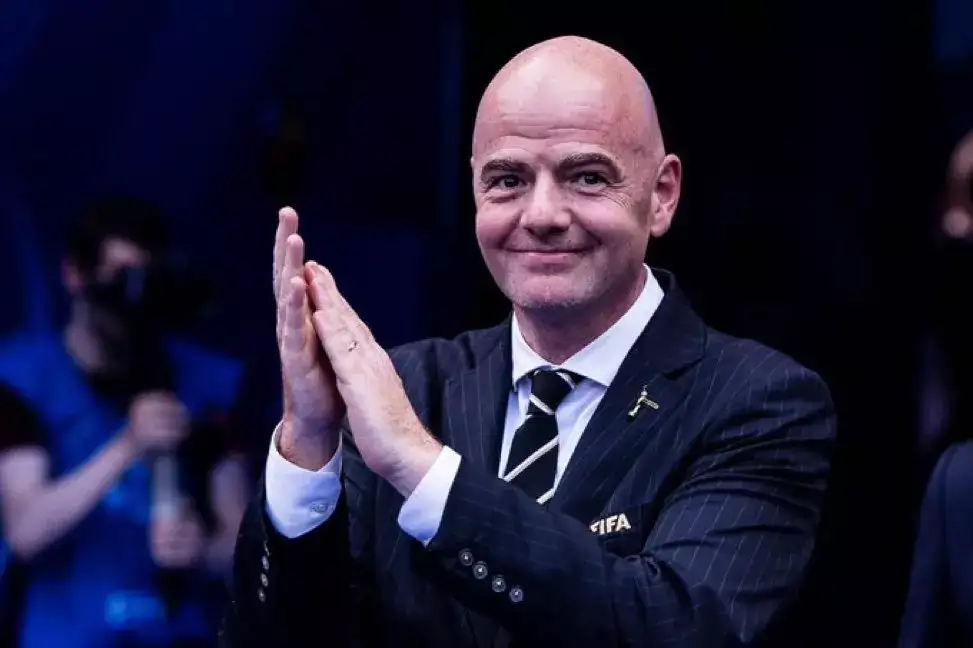
The ban, enforced by both FIFA and UEFA in early 2022, barred Russian clubs and national teams from competing in elite international tournaments, including World Cup qualifiers, continental championships and European club competitions. The suspension followed widespread resistance from national football associations unwilling to face Russian teams while the war in Ukraine continued.
In an interview with Sky Sports, Infantino questioned the effectiveness of the FIFA and UEFA sanctions on Russian football. “This ban has not achieved anything; it has only created more frustration and hatred,” he said. He argued that excluding Russia - particularly young athletes - from international football has done little to promote peace or resolve geopolitical disputes. Instead, Infantino suggested that sport could serve as a bridge, keeping channels of engagement open and encouraging unity.
Infantino also floated the idea that no country should be barred from international competition because of the actions of its political leadership. He proposed amending FIFA’s statutes to prevent future exclusions on political grounds, placing particular emphasis on reinstating Russia’s youth teams as an initial step towards normalising their participation in global football.
The remarks have drawn sharp criticism, especially from Ukrainian officials. Ukraine’s sports minister, Matvii Bidnyi, labelled Infantino’s stance “irresponsible” and “infantile,” accusing him of separating football from the harsh realities of a war that is still ongoing. Bidnyi stressed that the conflict continues to devastate Ukrainian communities and sports infrastructure, making any discussion of lifting the Russia football ban deeply insensitive.
Meanwhile, UEFA President Aleksander Čeferin reiterated that Russia’s return to international football competitions must be contingent on an end to hostilities and meaningful progress towards peace. UEFA’s executive committee, which retains authority over European re-admission, has maintained its position that lifting the suspension remains inappropriate while the war persists.
Infantino’s position comes amid broader debates about how international sport should respond to geopolitical conflict. FIFA has been criticized in the past for decisions seen as politically insensitive, including the awarding of its inaugural peace prize to U.S. President Donald Trump, a move Infantino defended, describing efforts to reward peace initiatives as justified.
Supporters of reinstating Russian teams argue that sport should remain above politics and that inclusion can foster dialogue and understanding. Critics counter that lifting sanctions would weaken international solidarity with Ukraine and set a dangerous precedent by overlooking violations of international norms. The ongoing controversy highlights the complex balancing act facing international sports organisations as they attempt to uphold neutrality while addressing ethical and humanitarian concerns.
As FIFA navigates these challenges, the debate surrounding Russia’s place in international football is set to remain a major flashpoint, shaping discussions on ethics, diplomacy and the role of sport in an increasingly fractured world.
The ban, enforced by both FIFA and UEFA in early 2022, barred Russian clubs and national teams from competing in elite international tournaments, including World Cup qualifiers, continental championships and European club competitions. The suspension followed widespread resistance from national football associations unwilling to face Russian teams while the war in Ukraine continued.
In an interview with Sky Sports, Infantino questioned the effectiveness of the FIFA and UEFA sanctions on Russian football. “This ban has not achieved anything; it has only created more frustration and hatred,” he said. He argued that excluding Russia - particularly young athletes - from international football has done little to promote peace or resolve geopolitical disputes. Instead, Infantino suggested that sport could serve as a bridge, keeping channels of engagement open and encouraging unity.
Infantino also floated the idea that no country should be barred from international competition because of the actions of its political leadership. He proposed amending FIFA’s statutes to prevent future exclusions on political grounds, placing particular emphasis on reinstating Russia’s youth teams as an initial step towards normalising their participation in global football.
The remarks have drawn sharp criticism, especially from Ukrainian officials. Ukraine’s sports minister, Matvii Bidnyi, labelled Infantino’s stance “irresponsible” and “infantile,” accusing him of separating football from the harsh realities of a war that is still ongoing. Bidnyi stressed that the conflict continues to devastate Ukrainian communities and sports infrastructure, making any discussion of lifting the Russia football ban deeply insensitive.
You may also like
- Corrupt top brass, revolting ranks: How Pakistan's Intelligence collapse unfolded in Balochistan
- "We would like to know if farmers have been protected...": DMK MP Kanimozhi Karunanidhi on India-US trade agreement
- Prateik Smita Patil: Love like Heer-Ranjha's is rare today
- Fractal Files RHP For INR 2,834 Cr IPO, Issue To Open On Feb 9
- Benvenuti Azzurri! Italy chase golden moment in maiden T20 World Cup outing
Meanwhile, UEFA President Aleksander Čeferin reiterated that Russia’s return to international football competitions must be contingent on an end to hostilities and meaningful progress towards peace. UEFA’s executive committee, which retains authority over European re-admission, has maintained its position that lifting the suspension remains inappropriate while the war persists.
Infantino’s position comes amid broader debates about how international sport should respond to geopolitical conflict. FIFA has been criticized in the past for decisions seen as politically insensitive, including the awarding of its inaugural peace prize to U.S. President Donald Trump, a move Infantino defended, describing efforts to reward peace initiatives as justified.
Supporters of reinstating Russian teams argue that sport should remain above politics and that inclusion can foster dialogue and understanding. Critics counter that lifting sanctions would weaken international solidarity with Ukraine and set a dangerous precedent by overlooking violations of international norms. The ongoing controversy highlights the complex balancing act facing international sports organisations as they attempt to uphold neutrality while addressing ethical and humanitarian concerns.
As FIFA navigates these challenges, the debate surrounding Russia’s place in international football is set to remain a major flashpoint, shaping discussions on ethics, diplomacy and the role of sport in an increasingly fractured world.






More from our partners


Loving Newspoint? Download the app now
