
Formula 1 Cancels Bahrain And Saudi Arabian Grands Prix Amid Rising Iran War Tensions

F1 Faces Major Schedule Shake-Up After Bahrain And Saudi Arabia Races Cancelled: Formula 1 has cancelled the Bahrain Grand Prix and the Saudi Arabian Grand Prix scheduled for April after escalating tensions linked to the ongoing Iran war raised serious safety concerns. The decision was announced early Sunday morning in Shanghai ahead of the Chinese Grand Prix. Officials confirmed that the races would not take place in April, citing the safety and wellbeing of everyone involved in the sport as the primary reason behind the move.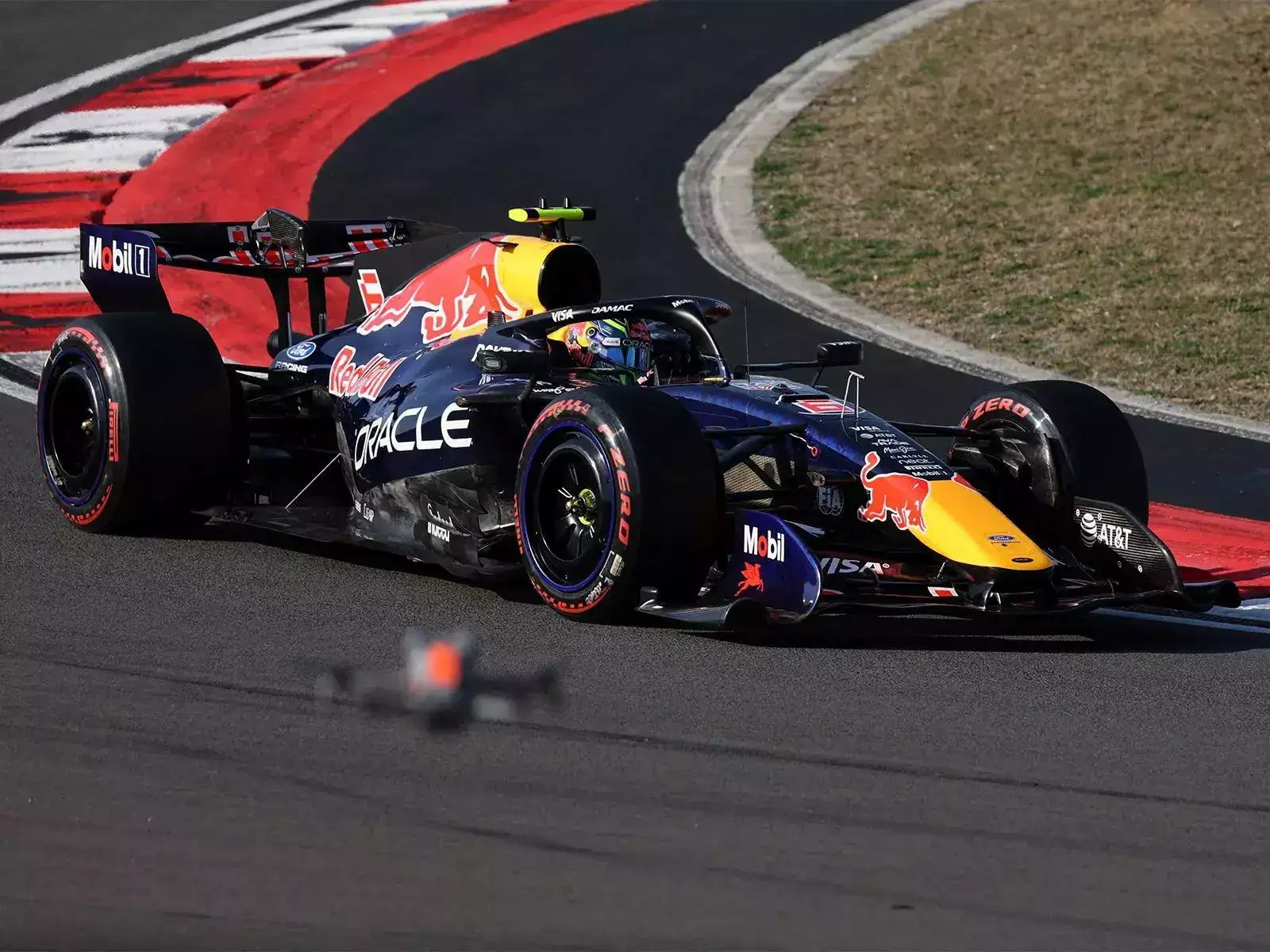
The two Middle East races were expected to take place on April 12 in Bahrain and April 19 in the Saudi Arabian city of Jeddah. However, recent military developments in the region prompted Formula 1 and the governing body to reconsider the situation, ultimately deciding that proceeding with the events could pose unnecessary risks.
The governing body stated that the decision followed careful evaluation of the evolving situation. Leaders within the sport reiterated that the wellbeing of the racing community must always come first. While the races have been cancelled for April, there has been no final confirmation on whether they could be rescheduled later in the season.
Bahrain and Saudi Arabia are considered important stops in the Formula 1 calendar , and organisers expressed hope that racing could return to both venues when conditions become safer.
The Japanese Grand Prix is scheduled for March 29, while the next confirmed race after that will be the Miami Grand Prix on May 3. If the cancelled events are not rescheduled later in the year, the championship will run with 22 races. That would make it the shortest Formula 1 season since 2023.
Finding alternative dates may prove difficult because the calendar is already tightly packed with races across multiple continents. Organising new venues at short notice is also complicated due to logistics, ticketing arrangements and the transportation of equipment and staff.
Ticket sales were another challenge. Promoters would have struggled to manage last minute changes or relocate the events to different countries. As a result, replacing the cancelled races with alternative venues was considered impractical.
Several drivers expressed sympathy for people affected by the conflict and emphasised that safety must always come before sport. Teams also indicated they would follow the guidance of the sport’s governing authorities, highlighting that such decisions are made with the wellbeing of everyone involved in mind.
Geopolitical conflicts have also influenced the championship before. In 2022, the contract for the Russian Grand Prix was terminated following the invasion of Ukraine, leading to the event being removed from the calendar.
The current cancellation again highlights how global events can influence international sporting competitions, particularly one as complex and travel intensive as Formula 1.
For now, the focus of the championship shifts back to racing action on track. However, the gap left by the cancelled Middle East races will remain one of the most significant changes to the Formula 1 calendar this season.
The two Middle East races were expected to take place on April 12 in Bahrain and April 19 in the Saudi Arabian city of Jeddah. However, recent military developments in the region prompted Formula 1 and the governing body to reconsider the situation, ultimately deciding that proceeding with the events could pose unnecessary risks.
Safety Concerns Lead To FIA Decision
Officials emphasised that the safety of drivers, teams, staff and fans remains the highest priority in Formula 1. With the Iran war intensifying and several countries in the region experiencing security threats, organisers felt it was not appropriate to continue with the scheduled races.The governing body stated that the decision followed careful evaluation of the evolving situation. Leaders within the sport reiterated that the wellbeing of the racing community must always come first. While the races have been cancelled for April, there has been no final confirmation on whether they could be rescheduled later in the season.
Bahrain and Saudi Arabia are considered important stops in the Formula 1 calendar , and organisers expressed hope that racing could return to both venues when conditions become safer.
Major Gap Created In 2026 F1 Calendar
The cancellation has created a significant disruption to the 2026 Formula 1 calendar. Without the Bahrain Grand Prix and the Saudi Arabian Grand Prix, there will now be a five week break between races.The Japanese Grand Prix is scheduled for March 29, while the next confirmed race after that will be the Miami Grand Prix on May 3. If the cancelled events are not rescheduled later in the year, the championship will run with 22 races. That would make it the shortest Formula 1 season since 2023.
Finding alternative dates may prove difficult because the calendar is already tightly packed with races across multiple continents. Organising new venues at short notice is also complicated due to logistics, ticketing arrangements and the transportation of equipment and staff.
Logistics Played A Key Role In Decision
Although the two races were still several weeks away, organisers had to make a decision early because Formula 1 logistics begin long before race weekend. Teams typically ship equipment, cars and technical cargo weeks in advance, and staff also travel early to prepare circuits and facilities.Ticket sales were another challenge. Promoters would have struggled to manage last minute changes or relocate the events to different countries. As a result, replacing the cancelled races with alternative venues was considered impractical.
Drivers And Teams Support Safety First Approach
Drivers and team representatives largely supported the decision to prioritise safety. Many within the paddock acknowledged that the situation in the region required careful consideration.Several drivers expressed sympathy for people affected by the conflict and emphasised that safety must always come before sport. Teams also indicated they would follow the guidance of the sport’s governing authorities, highlighting that such decisions are made with the wellbeing of everyone involved in mind.
Previous Race Disruptions In Formula 1
While race cancellations are rare, Formula 1 has experienced similar disruptions in the past. One of the most recent examples came in 2023 when a race in northern Italy was cancelled at short notice due to severe flooding that caused widespread damage in the region.Geopolitical conflicts have also influenced the championship before. In 2022, the contract for the Russian Grand Prix was terminated following the invasion of Ukraine, leading to the event being removed from the calendar.
The current cancellation again highlights how global events can influence international sporting competitions, particularly one as complex and travel intensive as Formula 1.
For now, the focus of the championship shifts back to racing action on track. However, the gap left by the cancelled Middle East races will remain one of the most significant changes to the Formula 1 calendar this season.
Next Story