
ICC Men’s T20 World Cup: History, Evolution and How It Changed International Cricket

The ICC Men’s T20 World Cup is one of cricket’s most electrifying international tournaments, known for its fast-paced action, dramatic finishes and global appeal. As the premier event in T20 international cricket, its origins date back to the early 2000s, when the Twenty20 format was first introduced in English county cricket as an experiment to attract new audiences and shorten match durations. The concept quickly gained momentum, prompting the International Cricket Council (ICC) to launch a formal global tournament that would go on to redefine the sport.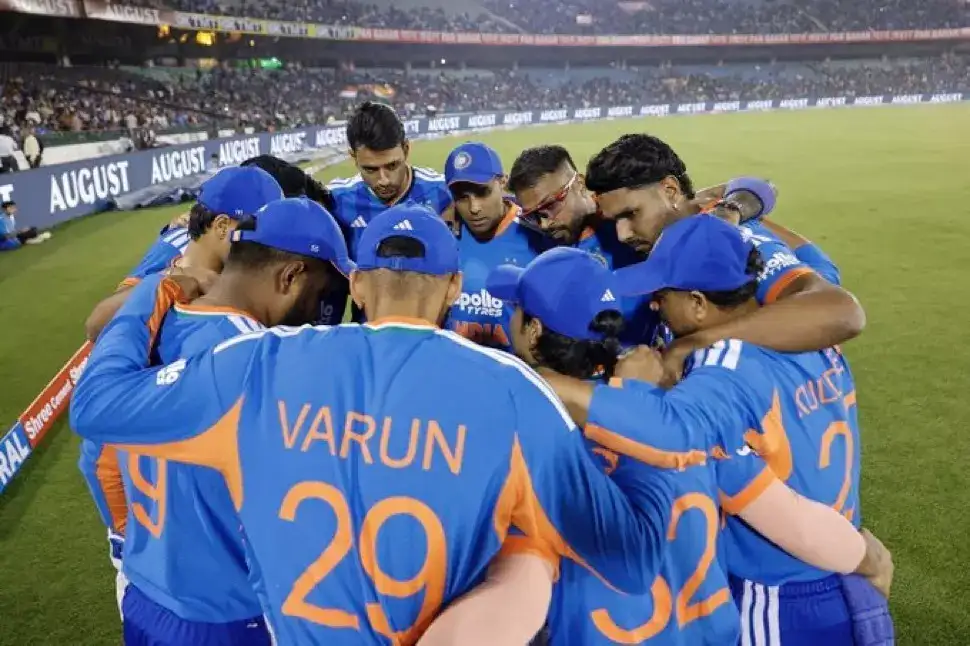
This era of diverse champions highlighted the unpredictable nature of T20 international cricket and played a crucial role in expanding its popularity beyond traditional cricketing strongholds. With no single team dominating the tournament, fans across the world remained engaged and invested.
This expansion reflected the ICC’s broader vision to globalise the sport, extending its reach beyond the traditional Test-playing nations. Emerging teams such as the USA, Canada, and Uganda made their debuts, while associate nations increasingly competed with established cricket powers.
Birth of a New Format (2007)
The inaugural edition, originally known as the ICC World Twenty20, was held in South Africa in 2007. The tournament delivered unforgettable cricketing moments, including Chris Gayle’s explosive batting, highlighted by the first-ever T20 international century, and intense clashes between arch-rivals India and Pakistan. India emerged victorious in the final, defeating Pakistan to lift the trophy and mark the arrival of a bold, dynamic era in international cricket.Growing Global Footprint
Following its successful debut, the T20 World Cup evolved into a biennial showcase of the format’s intensity and unpredictability. Pakistan clinched the second edition in 2009 in England, displaying aggressive all-round cricket ideally suited to the shortest format. England secured their maiden title in 2010, while the West Indies made history by becoming the first team to win multiple titles, triumphing in 2012 and again in 2016. Sri Lanka added their name to the list of champions in 2014, and Australia entered the winners’ circle with their title win in 2021.You may also like
- IIT Bombay develops method to recover T-cells for cancer therapies
- Sabarimala Temple gold theft: Unnikrishnan Potti secures bail in second case; Kerala LoP expresses dissent
- Vinesh calls out Haryana Wrestling Assoc. over 'unfair selection criteria' for Fed Cup
- "Khujli" Vs "Hostage of innocent child": Kharge, Nadda exchange heated remarks in Rajya Sabha
- 'Four Stars of Destiny' issue back in Parliament: After RaGa, Mallikarjun Kharge stopped from quoting Narvane's memoir

This era of diverse champions highlighted the unpredictable nature of T20 international cricket and played a crucial role in expanding its popularity beyond traditional cricketing strongholds. With no single team dominating the tournament, fans across the world remained engaged and invested.
Modern Era: Expansion and Milestones
By the early 2020s, the tournament continued to scale new heights. The ICC Men’s T20 World Cup 2024, co-hosted by the West Indies and the United States, marked a historic milestone as the first ICC World Cup to feature matches in the USA and include 20 participating teams. India claimed their second T20 World Cup title after a thrilling final against South Africa, reinforcing the high-stakes drama and competitiveness that define the event.This expansion reflected the ICC’s broader vision to globalise the sport, extending its reach beyond the traditional Test-playing nations. Emerging teams such as the USA, Canada, and Uganda made their debuts, while associate nations increasingly competed with established cricket powers.
Legacy and Impact
Over nearly two decades, the Men’s T20 World Cup has delivered not only exhilarating cricket but also transformed the sport’s global and commercial landscape. Its success has inspired the rise of domestic T20 leagues worldwide, boosted international viewership and introduced cricket to new audiences. With six different nations lifting the trophy so far, the unpredictable nature of the T20 format continues to fuel excitement, passion and global interest in the game.





More from our partners


Loving Newspoint? Download the app now
