
How The Mexican Grand Prix Evolved From 1963 To Today’s Formula One Spectacle

The Mexican Grand Prix has been a cornerstone of Formula One racing, offering thrilling circuits, high-altitude challenges, and a passionate fanbase. Since its inaugural event in 1963, the race has undergone numerous transformations, from changes in circuit design to technological advancements in racing cars. Over the decades, it has seen legendary drivers, iconic moments, and innovations that have shaped the F1 landscape. Today, the Mexican Grand Prix stands as one of the most exhilarating stops on the Formula One calendar, combining rich history with modern racing excitement, attracting fans from across the globe to witness speed, skill, and spectacle.
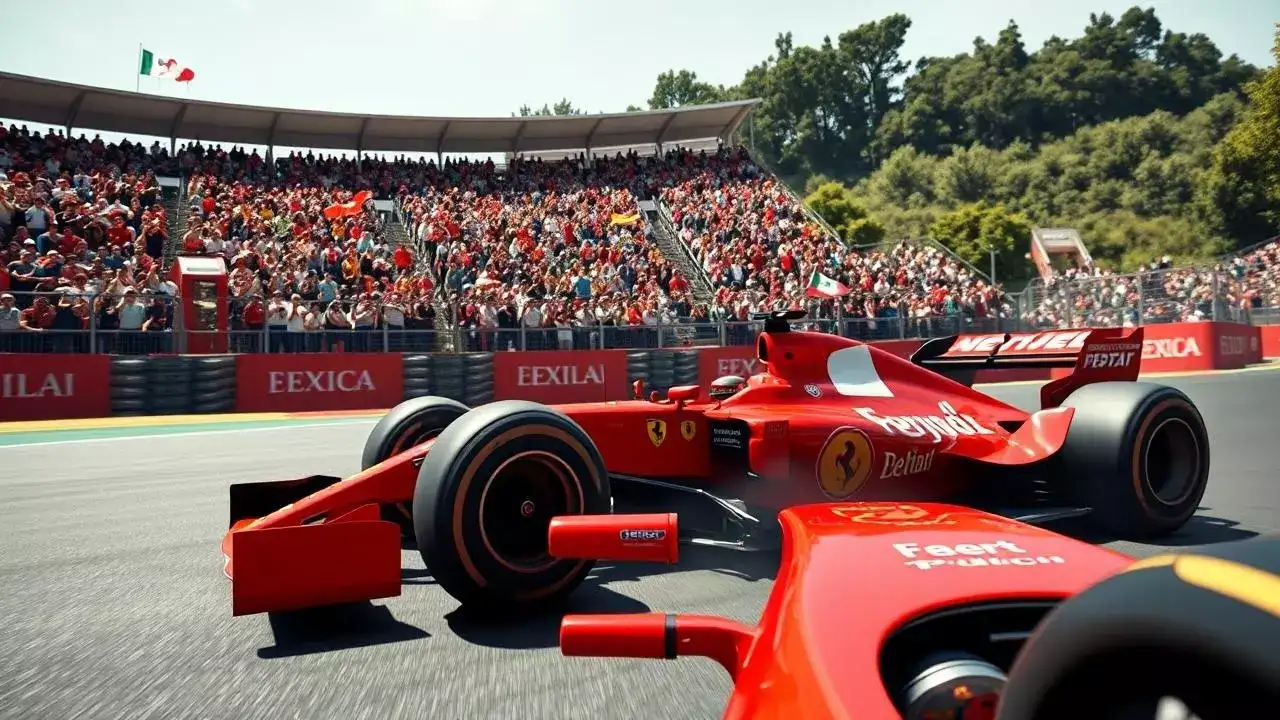
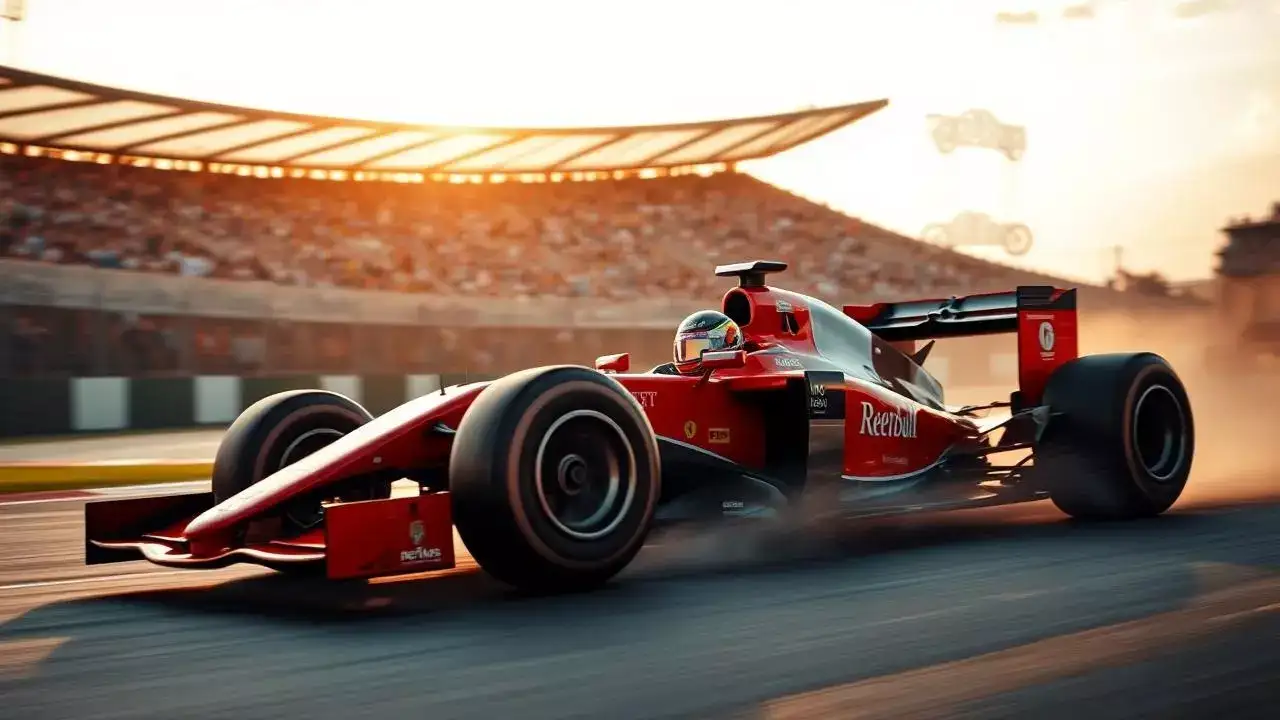
From its debut in 1963 to the modern spectacle at Autódromo Hermanos Rodríguez, the Mexican Grand Prix has continually evolved while maintaining its unique challenges and appeal. The blend of history, innovation, and vibrant fan engagement ensures it remains a highlight on the Formula One calendar. As the race continues to grow in prestige and excitement, it exemplifies the enduring spirit of motorsport in Mexico and the global appeal of Formula One racing.
Early Years And Inaugural Race
The first Mexican Grand Prix took place in 1963 at the Magdalena Mixhuca circuit in Mexico City. Initially part of the F1 calendar sporadically, it quickly gained recognition for its enthusiastic crowds and challenging layout. Drivers of the era faced a combination of high-altitude conditions and technical corners, which tested both skill and car reliability. Legendary names such as Jim Clark and Jack Brabham competed, establishing the race as a memorable addition to the global Formula One championship.Circuit Evolution And Modern Layouts
Over the years, the circuit underwent significant redesigns to improve safety and competitiveness. The modern Autódromo Hermanos Rodríguez now features the famous Peraltada curve, a banked corner that remains a fan favourite, along with updated grandstands, chicanes, and pit facilities. High-altitude conditions at over 2,200 metres above sea level continue to challenge engines and aerodynamics, requiring teams to adjust car setups to maintain performance. These changes have helped the Mexican Grand Prix remain a unique and demanding race on the F1 calendar.Return To The F1 Calendar And Global Recognition
After a hiatus from 1992 to 2014 due to financial and safety concerns, the Mexican Grand Prix made a triumphant return. The revived event incorporated modern safety measures, advanced paddock facilities, and increased fan engagement. Since its comeback, it has consistently delivered thrilling races, with several memorable moments, including dramatic overtakes, championship-defining performances, and record-breaking speeds. Its resurgence has cemented Mexico as an essential destination for both drivers and fans.You may also like
- Virat Kohli Sets New Benchmark, Leaves KL Rahul Behind in IPL Sixes
- IPL 2026 Match Today, GT vs KKR: Predicted playing XI, head-to-head, pitch report and Ahmedabad weather report
- IPL 2026: Out-of-form KKR take on in-form GT; Prasidh Krishna poses big threat
- Dallas Wings PR nightmare involving Azzi Fudd and teammate relationship draws media scrutiny
- IPL 2026 | Wipeout at Wankhede! Prabhsimran Singh, Shreyas Iyer shine as PBKS crush MI, go top
Technological Advancements And Iconic Moments
The evolution of car technology has also influenced the race. Turbocharged engines, hybrid power units, and enhanced aerodynamics have transformed how teams tackle the Mexican circuit. Iconic moments include championship battles and spectacular finishes, with drivers such as Lewis Hamilton, Max Verstappen, and Sergio Pérez creating unforgettable memories. The combination of cutting-edge technology and high-altitude demands makes the Mexican Grand Prix a race where strategy, skill, and engineering excellence intersect.Fan Experience And Cultural Significance
Beyond racing, the Mexican Grand Prix is celebrated for its vibrant fan culture, including colourful grandstands, mariachis, and the iconic atmosphere of Mexico City. Fans’ passion has contributed to the event’s reputation as one of the most engaging and visually spectacular races of the season. Its integration of local culture and world-class motorsport makes it not only a competition but a cultural celebration that attracts international attention.From its debut in 1963 to the modern spectacle at Autódromo Hermanos Rodríguez, the Mexican Grand Prix has continually evolved while maintaining its unique challenges and appeal. The blend of history, innovation, and vibrant fan engagement ensures it remains a highlight on the Formula One calendar. As the race continues to grow in prestige and excitement, it exemplifies the enduring spirit of motorsport in Mexico and the global appeal of Formula One racing.






More from our partners


Loving Newspoint? Download the app now
