
India vs New Zealand ODI Series Loss: 3 Key Concerns Exposed in White-Ball Setup

India’s shock 1–2 defeat in the three-match ODI series against New Zealand at home has triggered intense scrutiny of the Indian white-ball setup. Although Virat Kohli’s century and a strong showing in the opening match hinted at a competitive contest, the hosts ultimately faltered in the series decider at Holkar Stadium, Indore, falling short by 41 runs.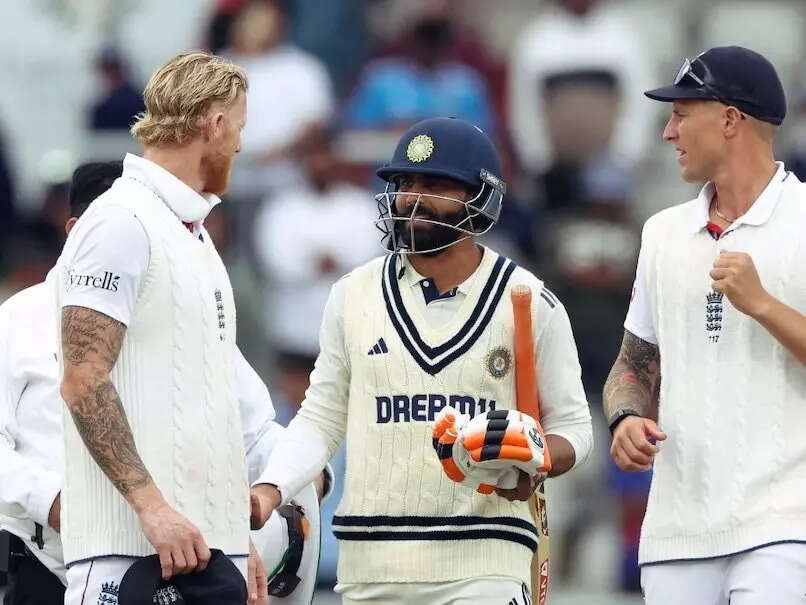
A recent analysis has highlighted three major concerns that emerged from India’s performance. These issues extend beyond a single series and could significantly influence the India ODI team’s approach to future limited-overs tournaments, including the ODI World Cup 2027.
Senior players like Jadeja are expected to offer stability, control and versatility. However, his recent performances have been underwhelming, raising serious questions about his long-term role in the Indian ODI setup. Against New Zealand, his lack of influence reflected a broader trend - ineffective bowling that failed to apply pressure and batting that lacked urgency, a worrying sign for a player often tasked with finishing games.
This shortfall not only highlights ongoing selection dilemmas but also underscores the need for a reassessment of roles and strategies within the bowling unit.
Former players and analysts pointed out the lack of aggressive intent during the powerplay and the inability to build sustained partnerships. This recurring pattern placed added pressure on the lower order and mirrored broader issues such as fielding lapses and questionable game management, further complicating India’s efforts to close out matches.
What the Series Defeat Means for India
This series defeat - India’s first bilateral ODI series loss to New Zealand at home - has sparked widespread debate around leadership, team balance and strategic clarity. Critics have raised concerns over the form of senior players while calling for well-defined roles and greater consistency across departments.
With high-stakes tournaments on the horizon, including the ODI World Cup 2027, addressing these concerns will be critical if India are to regain their dominance in 50-over cricket.
A recent analysis has highlighted three major concerns that emerged from India’s performance. These issues extend beyond a single series and could significantly influence the India ODI team’s approach to future limited-overs tournaments, including the ODI World Cup 2027.
1. Ravindra Jadeja’s White-Ball Decline
The most pressing concern is the noticeable dip in Ravindra Jadeja’s form in ODIs. Once regarded as one of India’s most dependable all-rounders in white-ball cricket, Jadeja struggled to make an impact with both bat and ball. His inability to provide breakthroughs or score vital runs during the middle overs left a visible imbalance in the side.Senior players like Jadeja are expected to offer stability, control and versatility. However, his recent performances have been underwhelming, raising serious questions about his long-term role in the Indian ODI setup. Against New Zealand, his lack of influence reflected a broader trend - ineffective bowling that failed to apply pressure and batting that lacked urgency, a worrying sign for a player often tasked with finishing games.
2. Spin Department Failing to Deliver
Another area of concern was the spin attack, particularly Kuldeep Yadav’s lacklustre performance. In Indian conditions, spinners are traditionally expected to control scoring and pick up wickets in the latter stages. However, throughout the series, India’s spinners were largely ineffective, allowing New Zealand’s middle-overs batters to dominate. Their inability to apply sustained pressure ultimately shifted momentum in the visitors’ favour.This shortfall not only highlights ongoing selection dilemmas but also underscores the need for a reassessment of roles and strategies within the bowling unit.
3. Top-Order Stagnation
India’s batting has long been the cornerstone of its success in limited-overs cricket, but the series exposed worrying signs of stagnation at the top. Apart from Kohli’s standout century, the top and middle order failed to convert promising starts into substantial contributions, leading to unstable foundations in crucial chases.Former players and analysts pointed out the lack of aggressive intent during the powerplay and the inability to build sustained partnerships. This recurring pattern placed added pressure on the lower order and mirrored broader issues such as fielding lapses and questionable game management, further complicating India’s efforts to close out matches.
What the Series Defeat Means for India
This series defeat - India’s first bilateral ODI series loss to New Zealand at home - has sparked widespread debate around leadership, team balance and strategic clarity. Critics have raised concerns over the form of senior players while calling for well-defined roles and greater consistency across departments.
With high-stakes tournaments on the horizon, including the ODI World Cup 2027, addressing these concerns will be critical if India are to regain their dominance in 50-over cricket.
Next Story