
India vs Pakistan T20 World Cup 2026 Boycott Row: What’s Happening and Why It Matters

The India vs Pakistan clash at the ICC Men’s T20 World Cup 2026, one of the most eagerly awaited fixtures in world cricket, has been overshadowed by a political and administrative standoff that could potentially see the marquee match called off. Scheduled for 15 February in Colombo, Sri Lanka, the high-voltage encounter has landed at the centre of a boycott controversy after the Pakistan government announced that its team would not play against India, citing political tensions linked to Bangladesh’s exclusion from the T20 World Cup 2026.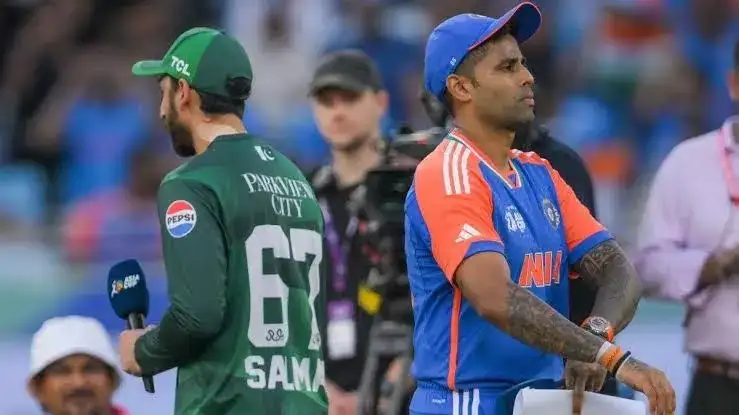
The situation escalated after the Islamabad government publicly stated that while Pakistan would participate in the ICC Men’s T20 World Cup, it would refuse to take the field against India. The announcement, issued through official government social media channels, did not offer detailed explanations but referenced prevailing political dynamics and solidarity with Bangladesh. The Bangladesh Cricket Board (BCB) had earlier withdrawn from the tournament after its request to relocate home matches from India on security grounds was rejected by the ICC.
This unprecedented stance has raised serious concerns within the International Cricket Council (ICC). In a rare and strongly worded response, the global governing body warned that selective participation by any member nation undermines the integrity and spirit of international cricket tournaments. The ICC has urged the Pakistan Cricket Board (PCB) to reconsider its position, reiterating that all teams are expected to compete under uniform rules and tournament regulations.
Under existing ICC playing conditions, Pakistan’s refusal to play the India vs Pakistan T20 World Cup match would result in an automatic forfeiture. In such a scenario, India would be awarded two crucial points, while Pakistan would suffer a setback in both points tally and net run rate. Beyond sporting consequences, the forfeiture would deal a major blow to broadcasters and sponsors, with the loss of cricket’s most lucrative fixture potentially resulting in advertising revenue losses worth several crores of rupees.
In an effort to defuse the crisis, diplomatic discussions have been ongoing between the ICC, PCB and other stakeholders, including the Bangladesh Cricket Board. Reports suggest that Pakistan has put forward three conditions aimed at resolving the boycott impasse, although the specifics of these demands have not been made public so far.
The controversy has also drawn responses from current and former cricket personalities. Some voices within Pakistan have supported the government’s decision, while others, including former players, have lamented the intrusion of politics into sport and urged a negotiated solution.
Cricket administrators from neighboring countries have also weighed in. Bangladesh's unexpected involvement in the ICC-PCB dialogue adds further regional complexity to the row, reflecting how deeply interconnected politics and cricket remain in South Asia.
Although recent reports indicate that talks between the ICC and PCB are progressing and the India vs Pakistan T20 World Cup 2026 match may still go ahead, no final decision has been confirmed. The unfolding dispute underscores a broader challenge confronting global sport - striking a balance between geopolitical sensitivities and the immense commercial, cultural and sporting value of marquee international events.
Unless a breakthrough is achieved soon, the fate of the India vs Pakistan showdown - and potentially the financial and competitive equilibrium of the ICC Men’s T20 World Cup 2026 - continues to hang in the balance.
The situation escalated after the Islamabad government publicly stated that while Pakistan would participate in the ICC Men’s T20 World Cup, it would refuse to take the field against India. The announcement, issued through official government social media channels, did not offer detailed explanations but referenced prevailing political dynamics and solidarity with Bangladesh. The Bangladesh Cricket Board (BCB) had earlier withdrawn from the tournament after its request to relocate home matches from India on security grounds was rejected by the ICC.
This unprecedented stance has raised serious concerns within the International Cricket Council (ICC). In a rare and strongly worded response, the global governing body warned that selective participation by any member nation undermines the integrity and spirit of international cricket tournaments. The ICC has urged the Pakistan Cricket Board (PCB) to reconsider its position, reiterating that all teams are expected to compete under uniform rules and tournament regulations.
Under existing ICC playing conditions, Pakistan’s refusal to play the India vs Pakistan T20 World Cup match would result in an automatic forfeiture. In such a scenario, India would be awarded two crucial points, while Pakistan would suffer a setback in both points tally and net run rate. Beyond sporting consequences, the forfeiture would deal a major blow to broadcasters and sponsors, with the loss of cricket’s most lucrative fixture potentially resulting in advertising revenue losses worth several crores of rupees.
In an effort to defuse the crisis, diplomatic discussions have been ongoing between the ICC, PCB and other stakeholders, including the Bangladesh Cricket Board. Reports suggest that Pakistan has put forward three conditions aimed at resolving the boycott impasse, although the specifics of these demands have not been made public so far.
The controversy has also drawn responses from current and former cricket personalities. Some voices within Pakistan have supported the government’s decision, while others, including former players, have lamented the intrusion of politics into sport and urged a negotiated solution.
Cricket administrators from neighboring countries have also weighed in. Bangladesh's unexpected involvement in the ICC-PCB dialogue adds further regional complexity to the row, reflecting how deeply interconnected politics and cricket remain in South Asia.
Although recent reports indicate that talks between the ICC and PCB are progressing and the India vs Pakistan T20 World Cup 2026 match may still go ahead, no final decision has been confirmed. The unfolding dispute underscores a broader challenge confronting global sport - striking a balance between geopolitical sensitivities and the immense commercial, cultural and sporting value of marquee international events.
Unless a breakthrough is achieved soon, the fate of the India vs Pakistan showdown - and potentially the financial and competitive equilibrium of the ICC Men’s T20 World Cup 2026 - continues to hang in the balance.
Next Story