
India’s ODI Loss vs New Zealand: Does an Overreliance on Virat Kohli Hurt Team Balance?

India’s dramatic 41-run defeat to New Zealand in the deciding third ODI at Indore despite a superb 124 from Virat Kohli has sparked debate across the cricketing world about India’s reliance on its superstar batter. The defeat, which resulted in New Zealand’s first bilateral ODI series win on Indian soil, exposed significant cracks in India’s batting lineup and called into question the team’s balance beyond its leading man.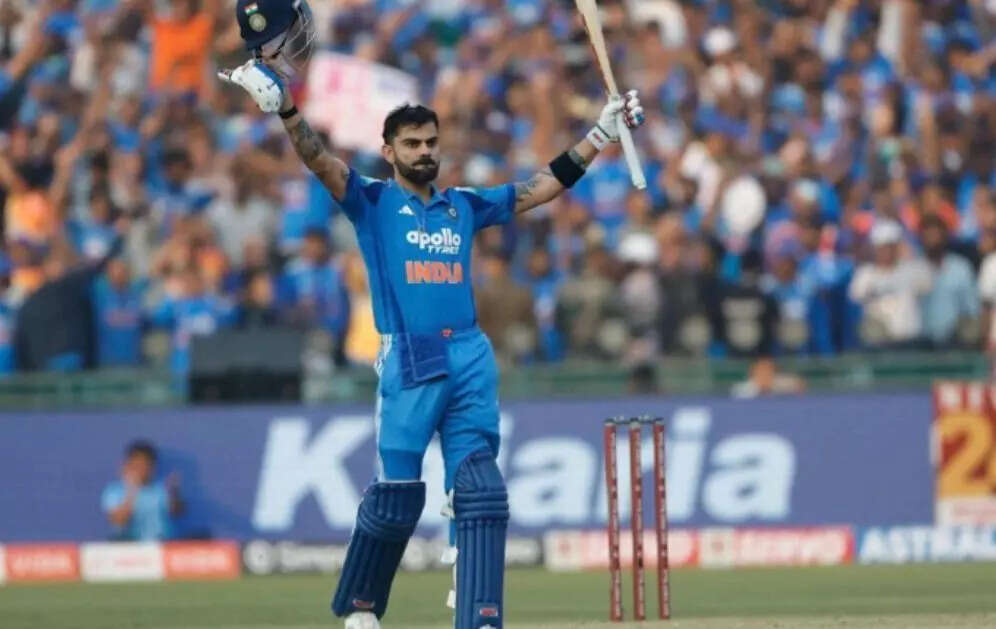
Chasing a target of 338, India found themselves in early trouble as key batsmen such as Rohit Sharma, Shubman Gill, Shreyas Iyer and KL Rahul were dismissed cheaply. At 71/4, the responsibility fell heavily on Kohli to anchor the innings and he delivered in classic style, showcasing his trademark technique, temperament, and masterful shot selection. His 54th ODI hundred was a masterclass under pressure, yet ultimately India were all out for 296.
Kohli’s innings should have been enough on most occasions, but this match highlighted a familiar pattern: when he is one of the few consistent performers, the team struggles to build a winning total. The lack of middle-order consistency and inability of others to stay with Kohli through phases of pressure amplified the sense that India often leans on him disproportionately.
Critics and fans alike have pointed out that India’s batting depth has failed to match the heights of its captain. Social commentary and threads analysing the match pointed to the same underlying issue: India's lineup collapses when Kohli departs. One prolific fan discussion noted that when Kohli doesn’t stay till the end, the rest of the lineup often cannot manage a competitive total.
However, a nuanced look at the data suggests the reality might be more complex. Historical analyses show that while Kohli’s presence is immense particularly in successful chases particularly due to his ability to make massive contributions, statistical records do not unequivocally prove that India is overly dependent on him to win matches. A well-recognised cricket data analysis notes that India’s batting core collectively includes many capable performers, and it’s more about consistent contributions across the board than overreliance on one player.
Nonetheless, the impression remains powerful: when Kohli scores heavily, India is competitive; when he fails or is dismissed early, the pressure on the squad intensifies significantly. This is exacerbated by inconsistent performances from other key batsmen, creating moments where Kohli’s innings become a “solo fight” rather than a balanced team effort.
Shubman Gill himself acknowledged the team’s shortcomings post-match, praising Kohli’s century but stressing that India must improve collectively if they want to remain dominant in ODIs. Gill’s reflections reinforce the idea that while Kohli’s presence is a major asset often described respectfully as a “plus” it should not mask wider team responsibilities.
Experts and former players also remind cricket fans that a team’s strength lies in varied contributions. India’s current generation has many talented batters and bowlers capable of performing in big games, but the execution and consistency of performances outside of Kohli’s innings remain critical areas for improvement.
If India’s leadership and coaching structures can cultivate deeper contributions from emerging and established players alike, the pressure on Kohli will naturally diminish, and the team can look forward to more sustained success. For now, the debate over India’s reliance on Virat Kohli continues, shaped by recent heartbreaks and historic achievements alike.
Chasing a target of 338, India found themselves in early trouble as key batsmen such as Rohit Sharma, Shubman Gill, Shreyas Iyer and KL Rahul were dismissed cheaply. At 71/4, the responsibility fell heavily on Kohli to anchor the innings and he delivered in classic style, showcasing his trademark technique, temperament, and masterful shot selection. His 54th ODI hundred was a masterclass under pressure, yet ultimately India were all out for 296.
Kohli’s innings should have been enough on most occasions, but this match highlighted a familiar pattern: when he is one of the few consistent performers, the team struggles to build a winning total. The lack of middle-order consistency and inability of others to stay with Kohli through phases of pressure amplified the sense that India often leans on him disproportionately.
Critics and fans alike have pointed out that India’s batting depth has failed to match the heights of its captain. Social commentary and threads analysing the match pointed to the same underlying issue: India's lineup collapses when Kohli departs. One prolific fan discussion noted that when Kohli doesn’t stay till the end, the rest of the lineup often cannot manage a competitive total.
However, a nuanced look at the data suggests the reality might be more complex. Historical analyses show that while Kohli’s presence is immense particularly in successful chases particularly due to his ability to make massive contributions, statistical records do not unequivocally prove that India is overly dependent on him to win matches. A well-recognised cricket data analysis notes that India’s batting core collectively includes many capable performers, and it’s more about consistent contributions across the board than overreliance on one player.
Nonetheless, the impression remains powerful: when Kohli scores heavily, India is competitive; when he fails or is dismissed early, the pressure on the squad intensifies significantly. This is exacerbated by inconsistent performances from other key batsmen, creating moments where Kohli’s innings become a “solo fight” rather than a balanced team effort.
Shubman Gill himself acknowledged the team’s shortcomings post-match, praising Kohli’s century but stressing that India must improve collectively if they want to remain dominant in ODIs. Gill’s reflections reinforce the idea that while Kohli’s presence is a major asset often described respectfully as a “plus” it should not mask wider team responsibilities.
Experts and former players also remind cricket fans that a team’s strength lies in varied contributions. India’s current generation has many talented batters and bowlers capable of performing in big games, but the execution and consistency of performances outside of Kohli’s innings remain critical areas for improvement.
If India’s leadership and coaching structures can cultivate deeper contributions from emerging and established players alike, the pressure on Kohli will naturally diminish, and the team can look forward to more sustained success. For now, the debate over India’s reliance on Virat Kohli continues, shaped by recent heartbreaks and historic achievements alike.
Next Story