
IPL 2026 Rule 4.4 Explained: Why BCCI Retained the Controversial Ball-Change Rule

As the buzz around IPL 2026 continues to grow, one rule is quietly becoming a major talking point among teams and fans alike. While the Impact Player rule grabs headlines, it is Rule 4.4, the ball-change rule, that could have a real impact on match outcomes.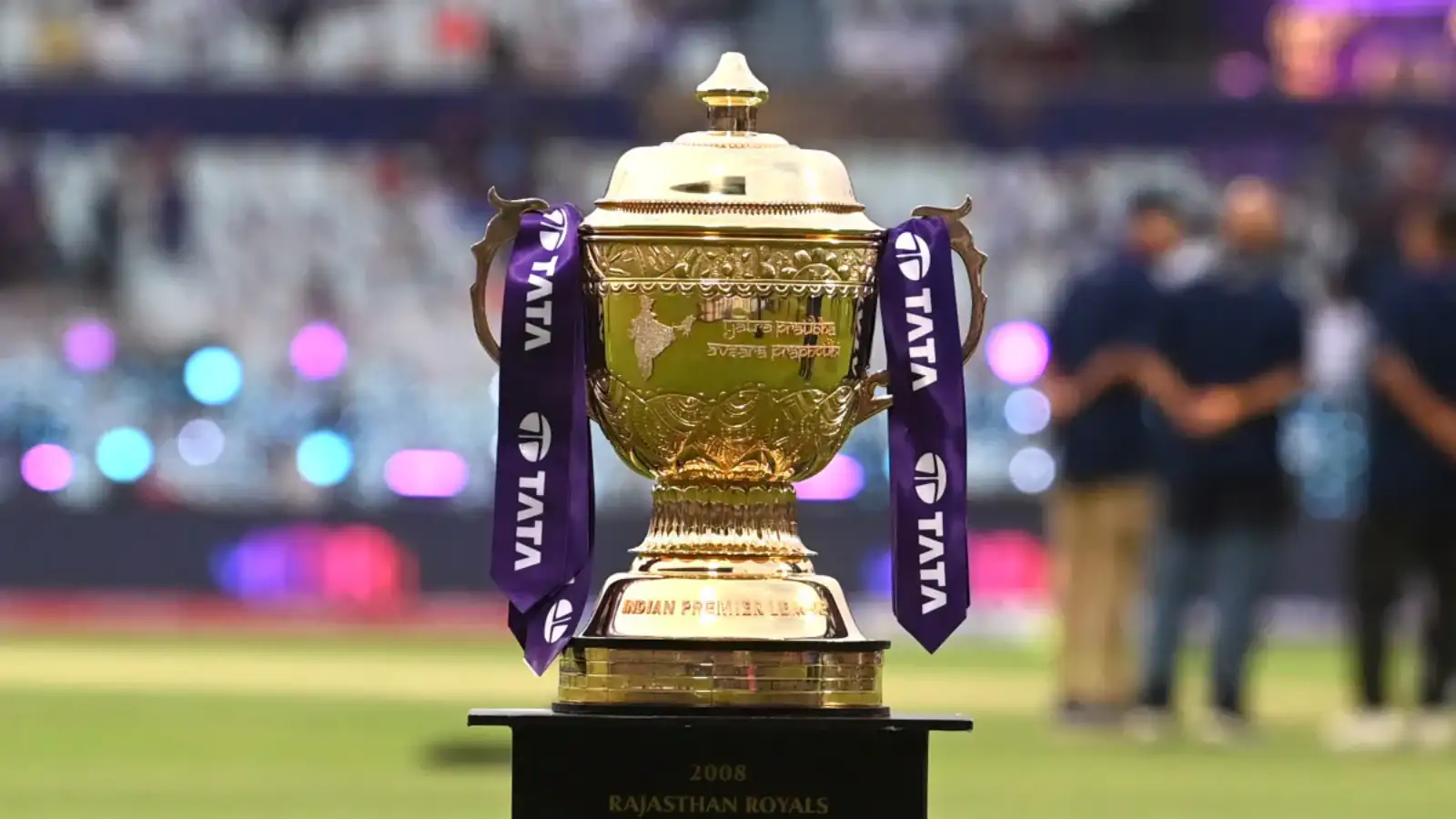
This rule, first introduced earlier and now retained by the BCCI, is designed to tackle one of the biggest challenges in T20 cricket: the dew factor in night matches.
Dew often makes the ball wet and slippery, making it harder for bowlers to grip and control. This usually gives a big advantage to teams chasing targets, especially in night games.
By introducing this rule, the BCCI aims to bring better balance between bat and ball in IPL matches.
Here is how Rule 4.4 works in simple terms:
A wet ball reduces grip, affects spin, and makes yorkers harder to bowl. As a result, chasing teams often gain an unfair advantage.
This rule acts as a balancing tool, helping bowlers regain some control during the crucial middle and death overs.
Since it is allowed only once and only after the 10th over, timing becomes crucial. Teams may plan their bowling rotations around this window to maximize the impact.
This adds a new tactical layer to IPL matches, especially in high-pressure chases.
They can:
The main reason is simple: it improves fairness in matches played under lights.
Earlier, teams winning the toss often had a clear advantage by choosing to chase in dew-heavy conditions. This rule helps reduce that imbalance and keeps matches competitive.
It also aligns with the IPL’s broader goal of making the game more balanced, strategic, and entertaining.
This rule, first introduced earlier and now retained by the BCCI, is designed to tackle one of the biggest challenges in T20 cricket: the dew factor in night matches.
What Is IPL Rule 4.4?
IPL Rule 4.4 is essentially a ball-replacement rule for evening matches. It allows the team bowling second to request a change of ball during the second innings to deal with difficult conditions caused by dew.Dew often makes the ball wet and slippery, making it harder for bowlers to grip and control. This usually gives a big advantage to teams chasing targets, especially in night games.
By introducing this rule, the BCCI aims to bring better balance between bat and ball in IPL matches.
How the Ball-Change Rule Works
The IPL 2026 ball-change rule follows a strict and clearly defined process, ensuring fairness while giving captains a strategic option.Here is how Rule 4.4 works in simple terms:
- The bowling team gets only one chance to request a ball change
- The request can only be made after the 10th over of the second innings
- The call must be made by the bowling captain
- The ball can only be changed at the end of an over, not during play
- The replacement is not a new ball but one with similar wear and tear
- The final decision lies with the umpires, not the players
Why the Ball-Change Rule Matters in IPL 2026
The biggest reason behind retaining this rule is the impact of dew in night matches. In many IPL venues, dew heavily affects the second innings, making it difficult for bowlers to execute their plans.A wet ball reduces grip, affects spin, and makes yorkers harder to bowl. As a result, chasing teams often gain an unfair advantage.
This rule acts as a balancing tool, helping bowlers regain some control during the crucial middle and death overs.
Captain’s Strategy: A Game-Changing Decision
Rule 4.4 is not just about conditions, it is also about strategy. Captains now have to carefully decide when to use their one ball-change opportunity.Since it is allowed only once and only after the 10th over, timing becomes crucial. Teams may plan their bowling rotations around this window to maximize the impact.
This adds a new tactical layer to IPL matches, especially in high-pressure chases.
Umpires Still Hold the Power
Even though captains can request a ball change under Rule 4.4, umpires still have full authority over the final decision.They can:
- Approve or deny the request
- Choose the replacement ball
- Change the ball at any time if it is damaged, lost, or too wet
Why BCCI Chose to Retain This Rule
Despite some debate and mixed reactions from teams, the BCCI has decided to continue with this rule in IPL 2026.The main reason is simple: it improves fairness in matches played under lights.
Earlier, teams winning the toss often had a clear advantage by choosing to chase in dew-heavy conditions. This rule helps reduce that imbalance and keeps matches competitive.
It also aligns with the IPL’s broader goal of making the game more balanced, strategic, and entertaining.
Next Story