
On This Day in Cricket: England’s 2014 Ashes Nightmare Comes to a Bitter End

On this day in 2014, England’s most bruising Ashes tour in living memory limped to an end with an 84-run defeat in the third T20 international against Australia in Sydney. It was a loss that carried far more weight than the scoreboard suggested. With that defeat, England closed a disastrous tour of Australia in which they managed to win just one match out of 13 across formats, a statistic that underlined the scale of the collapse.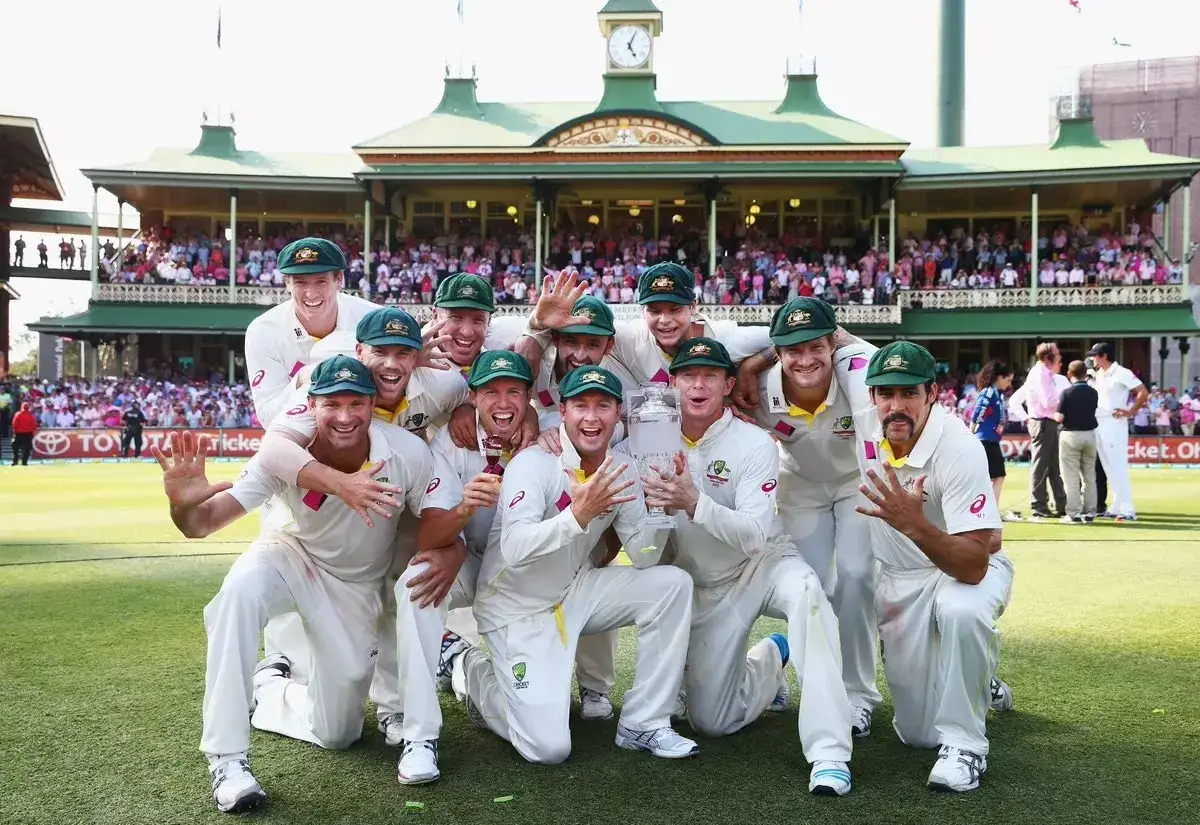
The 2013-14 Ashes had already been lost emphatically, Australia reclaiming the urn with ruthless efficiency. What followed, however, was not merely a defeat on the field but an unravelling of English cricket’s leadership, culture, and identity. The tour became a cautionary tale of how quickly dominance can turn into disarray.
England’s troubles began early. After the opening Test in Brisbane, Jonathan Trott abruptly left the tour, citing a stress-related illness. His departure cast a sombre shadow over the series and raised uncomfortable questions about player welfare and the pressures of elite international cricket. Trott’s absence destabilised an already fragile batting lineup and symbolised a side struggling mentally as much as tactically.
The cracks only widened. Veteran spinner Graeme Swann, a key architect of England’s earlier Ashes triumphs, announced his international retirement before the fourth Test, admitting he could no longer compete at the highest level. His decision robbed England of experience and leadership at a time when both were desperately needed.
Behind the scenes, accountability followed. Andy Flower, England’s director of cricket and the mastermind behind three Ashes victories, was asked to step down at the end of the tour. It marked the end of an era defined by discipline, preparation, and success but also criticised in its latter days for rigidity and internal tensions.
Perhaps the most controversial fallout came days later when Kevin Pietersen, England’s most mercurial and gifted batsman, was effectively shown the door. Despite being the side’s leading run-scorer in the Test series, Pietersen’s turbulent relationship with management and teammates culminated in his international exile, a decision that polarised opinion and continues to be debated years later.
The final T20 loss in Sydney was merely the closing act, but it felt symbolic, a team drained of confidence, clarity, and cohesion. Australia, by contrast, were ruthless, unified, and dominant, setting a benchmark England were nowhere near matching.
January 2014 stands as a turning point. England were forced into a painful rebuild, reassessing not just personnel but philosophy. The scars of that tour lingered, but so did the lessons. On this day, English cricket hit rock bottom, a moment that ultimately shaped its future.
The 2013-14 Ashes had already been lost emphatically, Australia reclaiming the urn with ruthless efficiency. What followed, however, was not merely a defeat on the field but an unravelling of English cricket’s leadership, culture, and identity. The tour became a cautionary tale of how quickly dominance can turn into disarray.
England’s troubles began early. After the opening Test in Brisbane, Jonathan Trott abruptly left the tour, citing a stress-related illness. His departure cast a sombre shadow over the series and raised uncomfortable questions about player welfare and the pressures of elite international cricket. Trott’s absence destabilised an already fragile batting lineup and symbolised a side struggling mentally as much as tactically.
The cracks only widened. Veteran spinner Graeme Swann, a key architect of England’s earlier Ashes triumphs, announced his international retirement before the fourth Test, admitting he could no longer compete at the highest level. His decision robbed England of experience and leadership at a time when both were desperately needed.
Behind the scenes, accountability followed. Andy Flower, England’s director of cricket and the mastermind behind three Ashes victories, was asked to step down at the end of the tour. It marked the end of an era defined by discipline, preparation, and success but also criticised in its latter days for rigidity and internal tensions.
Perhaps the most controversial fallout came days later when Kevin Pietersen, England’s most mercurial and gifted batsman, was effectively shown the door. Despite being the side’s leading run-scorer in the Test series, Pietersen’s turbulent relationship with management and teammates culminated in his international exile, a decision that polarised opinion and continues to be debated years later.
The final T20 loss in Sydney was merely the closing act, but it felt symbolic, a team drained of confidence, clarity, and cohesion. Australia, by contrast, were ruthless, unified, and dominant, setting a benchmark England were nowhere near matching.
January 2014 stands as a turning point. England were forced into a painful rebuild, reassessing not just personnel but philosophy. The scars of that tour lingered, but so did the lessons. On this day, English cricket hit rock bottom, a moment that ultimately shaped its future.
Next Story