
On This Day: Mark Waugh’s 115 Saves Australia in the Iconic Adelaide Test vs South Africa

In one of the most dramatic finishes in Test cricket history , the third Test between South Africa and Australia at the iconic Adelaide Oval delivered a defining moment that continues to live on in cricket lore. South Africa entered the final day needing a win to level the series, but were left to rue missed opportunities after a gripping draw sealed the Test series 1-0 in Australia’s favour.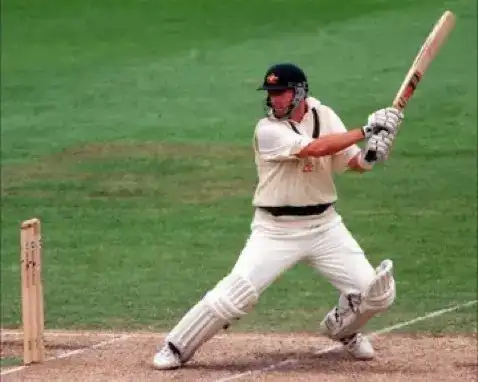
South Africa made a commanding start to the match, piling up a massive 517 in their first innings to seize early control and apply sustained pressure on the hosts. Australia, however, responded with remarkable resolve. Captain Mark Taylor led from the front, carrying his bat for a heroic 169, an innings of immense courage that kept Australia firmly in the contest. South Africa later declared and set Australia a daunting target of 361 runs in just over 100 overs, a challenging pursuit on a deteriorating fifth-day pitch.
The decisive chapter unfolded during Australia’s second innings. After early wickets, Mark Waugh walked in with his side staring down defeat. This was a moment to test nerve and technique, and Waugh delivered. He displayed exceptional patience and resilience, occupying the crease for 404 minutes and facing 305 balls en route to a superb 115 not out. His composure under pressure saved Australia and denied the Proteas a famous victory.
However, the story of the Adelaide Test was not solely about runs. A combination of missed chances and a controversial umpiring call shaped the outcome. South Africa dropped ten catches over the course of the match, a startling figure for a side renowned as one of the finest fielding units in world cricket. Crucially, four of those dropped chances came off Mark Waugh, allowing him repeated reprieves that proved decisive as he anchored Australia to safety.
Controversy reached its peak late on the final day when Waugh, struck on the elbow by a sharp delivery from Shaun Pollock, accidentally dislodged a bail while stepping away from his crease. South Africa appealed for a hit-wicket dismissal, but after consultation with the third umpire, Waugh was ruled not out under Law 35, as he was deemed not to be playing at the ball at the time. South African captain Hansie Cronje was visibly furious, with reports later claiming he vented his frustration by spearing a stump through the umpires’ room door after the match.
The significance of this famous Adelaide Test match extends far beyond the result. It was not merely a draw, but a powerful reminder of the narrow margins and psychological battles that define elite Test cricket. South Africa’s failure to capitalise on key moments highlighted the fine line between triumph and heartbreak, while Waugh’s grit, resilience, and good fortune epitomised the unpredictable drama of the longest format.
Even today, the South Africa vs Australia Adelaide Test is remembered as a classic in cricket’s rich history not just for Mark Waugh’s unforgettable century, but for the enduring lesson it offers on how skill, luck, and controversy can collide to create moments that stand the test of time.
South Africa made a commanding start to the match, piling up a massive 517 in their first innings to seize early control and apply sustained pressure on the hosts. Australia, however, responded with remarkable resolve. Captain Mark Taylor led from the front, carrying his bat for a heroic 169, an innings of immense courage that kept Australia firmly in the contest. South Africa later declared and set Australia a daunting target of 361 runs in just over 100 overs, a challenging pursuit on a deteriorating fifth-day pitch.
The decisive chapter unfolded during Australia’s second innings. After early wickets, Mark Waugh walked in with his side staring down defeat. This was a moment to test nerve and technique, and Waugh delivered. He displayed exceptional patience and resilience, occupying the crease for 404 minutes and facing 305 balls en route to a superb 115 not out. His composure under pressure saved Australia and denied the Proteas a famous victory.
However, the story of the Adelaide Test was not solely about runs. A combination of missed chances and a controversial umpiring call shaped the outcome. South Africa dropped ten catches over the course of the match, a startling figure for a side renowned as one of the finest fielding units in world cricket. Crucially, four of those dropped chances came off Mark Waugh, allowing him repeated reprieves that proved decisive as he anchored Australia to safety.
Controversy reached its peak late on the final day when Waugh, struck on the elbow by a sharp delivery from Shaun Pollock, accidentally dislodged a bail while stepping away from his crease. South Africa appealed for a hit-wicket dismissal, but after consultation with the third umpire, Waugh was ruled not out under Law 35, as he was deemed not to be playing at the ball at the time. South African captain Hansie Cronje was visibly furious, with reports later claiming he vented his frustration by spearing a stump through the umpires’ room door after the match.
The significance of this famous Adelaide Test match extends far beyond the result. It was not merely a draw, but a powerful reminder of the narrow margins and psychological battles that define elite Test cricket. South Africa’s failure to capitalise on key moments highlighted the fine line between triumph and heartbreak, while Waugh’s grit, resilience, and good fortune epitomised the unpredictable drama of the longest format.
Even today, the South Africa vs Australia Adelaide Test is remembered as a classic in cricket’s rich history not just for Mark Waugh’s unforgettable century, but for the enduring lesson it offers on how skill, luck, and controversy can collide to create moments that stand the test of time.
Next Story