
Pakistan Confirms Boycott of India Match at T20 World Cup 2026: PCB Chief’s Big Statement

Controversy has erupted at the ICC Men’s T20 World Cup 2026 after Pakistan announced it will boycott its group-stage match against India, scheduled for 15 February in Colombo. The unexpected move, confirmed by Pakistan’s Prime Minister Shehbaz Sharif, has sent shockwaves through the cricketing world, overshadowing preparations and raising significant sporting, diplomatic and financial questions.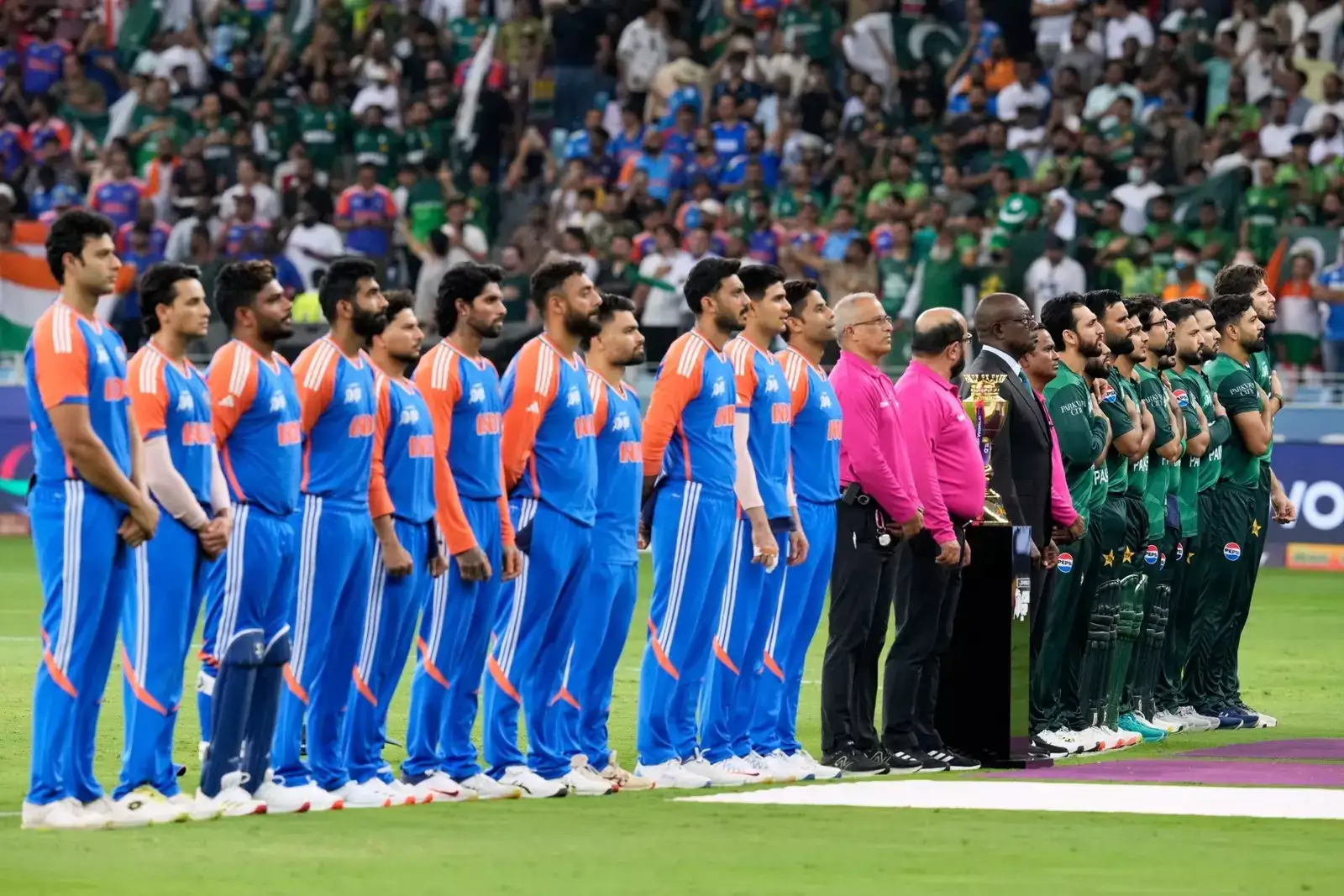
Sharif stressed that the decision was deliberate and carefully considered at the highest level, not impulsive, and was rooted in a principled stand rather than sporting intent. Pakistan’s government directive came after Bangladesh was replaced with Scotland in the tournament schedule when that side declined to travel to India.
If Pakistan proceeds with the boycott, it will effectively forfeit the match, and India will be awarded two points, a significant advantage in Group A, which also includes teams such as Namibia, the Netherlands and the USA.
As the T20 World Cup progresses, all eyes will be on whether Pakistan reverses its stance or stands firm. The decision could have lasting implications for international cricket governance and the future scheduling of India-Pakistan encounters in ICC events.
Pakistan’s Official Position
The Pakistani government made clear that its national team will not take the field against India. In a statement delivered after a federal cabinet meeting, Prime Minister Shehbaz Sharif described the boycott as a “clear and appropriate stance”aimed at removing politics from sport, while simultaneously expressing solidarity with Bangladesh, which had earlier refused to play matches in India due to security concerns.Sharif stressed that the decision was deliberate and carefully considered at the highest level, not impulsive, and was rooted in a principled stand rather than sporting intent. Pakistan’s government directive came after Bangladesh was replaced with Scotland in the tournament schedule when that side declined to travel to India.
PCB Supports Government Directive
The Pakistan Cricket Board (PCB) has publicly backed the government’s decision. Officials have indicated that they will comply with Islamabad’s directive, even if the team faces penalties from the ICC. PCB chairman Mohsin Naqvi and the board’s legal advisors reportedly believe they must follow the mandate, as the government is Pakistan cricket’s ultimate authority.ICC Response and Implications
The International Cricket Council (ICC) has made clear that selective participation undermines the spirit of global competition. Officials have warned Pakistan of potential consequences, including financial penalties or sanctions, for failing to play a scheduled fixture. The ICC has urged Pakistan to reconsider, emphasizing that all qualified teams are expected to compete as per the official schedule.You may also like
 Bangladesh interim govt to propose UN-led investigation into killing of Islamist leader Hadi
 December IndiGo chaos stranded over 1.6m passengers, DGCA figures reveal
 Top Court's DA verdict to cost Bengal exchequer Rs 10k crore immediately, Rs 42K crore in the long run
 Delhi: Went to six police stations, nobody helped, claims family, friends of biker who died after falling into pit
- AIADMK can only make poll promises, but it is DMK that implements: Tamil Nadu Minister Thangam Thennarasu
If Pakistan proceeds with the boycott, it will effectively forfeit the match, and India will be awarded two points, a significant advantage in Group A, which also includes teams such as Namibia, the Netherlands and the USA.
Reactions from India
India, meanwhile, has confirmed its intention to travel to Colombo and fulfil its part of the fixture. Indian captain Suryakumar Yadav reaffirmed his team’s preparations and readiness for the high-profile clash, indicating the Men in Blue will observe all pre-match formalities despite the uncertainty.Broader Sporting and Diplomatic Context
The boycott highlights the complex interplay between sport and geopolitics in South Asia. India and Pakistan haven’t played a bilateral series in over a decade due to diplomatic tensions, and encounters between the sides in global tournaments have often been the rare platforms for on-field competition. The absence of the marquee India-Pakistan fixture could affect global viewership and commercial revenues, with broadcasters and sponsors expected to feel the impact keenly.As the T20 World Cup progresses, all eyes will be on whether Pakistan reverses its stance or stands firm. The decision could have lasting implications for international cricket governance and the future scheduling of India-Pakistan encounters in ICC events.






More from our partners


Loving Newspoint? Download the app now
