
T20 World Cup Controversy: Pakistan’s Boycott and the Future of International Cricket

In a development that has sent shockwaves through the world of cricket, Pakistan has indicated that its national team will not take the field against India in the ICC Men’s T20 World Cup 2026, scheduled for 15 February in Colombo. While Pakistan will continue to participate in the T20 World Cup 2026 overall, this targeted boycott marks a rare and serious instance where diplomatic tensions have directly disrupted the schedule of a major ICC tournament.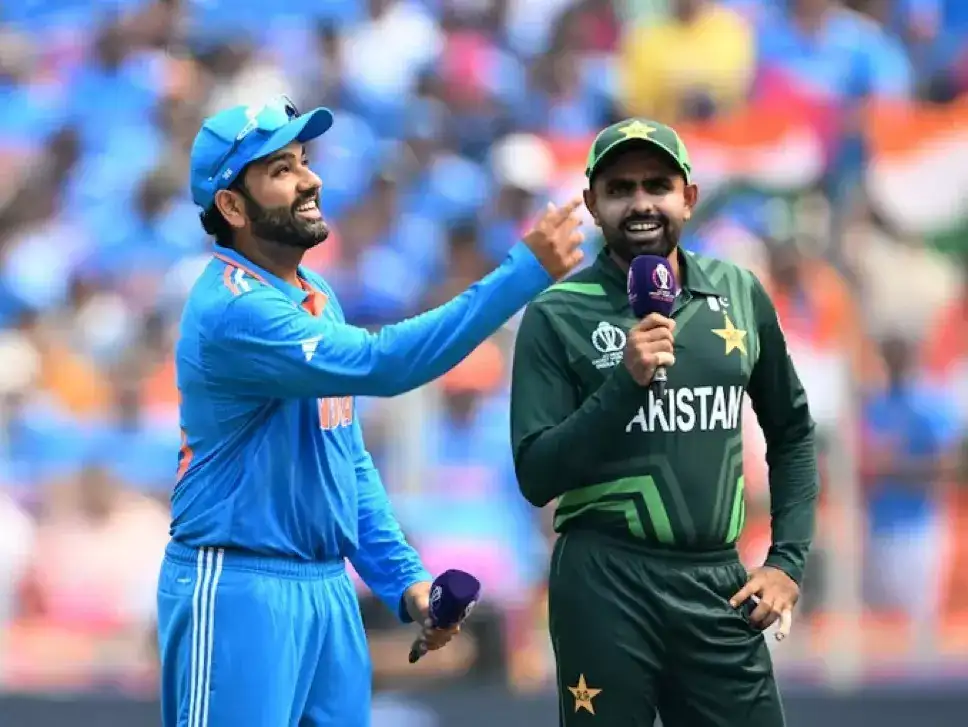
Pakistan’s long-running geopolitical tensions with India including a near-war situation last year have already prevented bilateral series for over a decade. In that sense, cricket diplomacy has been strained for years. This latest incident, however, deepens the conflict by creating a direct sporting boycott within a global tournament.
From a competitive standpoint, Pakistan stands to lose significantly. Failure to appear for the match would result in a two-point forfeit under ICC playing conditions, with a corresponding impact on net run rate. This could severely undermine Pakistan’s chances of advancing from a highly competitive Group A, which also features Namibia, the USA and the Netherlands.
The International Cricket Council has publicly warned that selective participation undermines the integrity and spirit of global sporting competitions. While respecting the authority of national governments, the ICC has reiterated that all qualified teams are expected to honour their full fixture list in ICC tournaments.
Cricket analysts caution that this situation could set a troubling precedent. Direct government intervention in sporting participation risks opening the door to future boycotts, threatening the consistency and fairness of international cricket. The ICC may consider financial sanctions or sporting penalties if formal communication from the Pakistan Cricket Board confirms the decision to skip the India match.
For the ICC and its full-member boards, this moment underscores the need for stronger governance frameworks, improved conflict-resolution mechanisms and firm safeguards to protect sporting integrity from external pressures. If left unresolved, political interference of this nature could weaken cricket’s standing on the global sporting stage, eroding trust among fans, broadcasters and sponsors alike.
A Political Move with Sporting Consequences
According to official statements from the Government of Pakistan, the team has received clearance to compete in the ICC Men’s T20 World Cup but “shall not take the field” against India on the designated date. The decision is widely viewed as politically motivated, partly reflecting solidarity with Bangladesh, which had earlier withdrawn from the tournament after the International Cricket Council declined to relocate its matches from India, citing security considerations.Pakistan’s long-running geopolitical tensions with India including a near-war situation last year have already prevented bilateral series for over a decade. In that sense, cricket diplomacy has been strained for years. This latest incident, however, deepens the conflict by creating a direct sporting boycott within a global tournament.
Financial and Competitive Impact
The India vs Pakistan clash has historically been the centrepiece of ICC events, attracting massive global television audiences and generating enormous commercial interest. Broadcasters and sponsors invest hundreds of millions of dollars around this marquee fixture, making it one of the most valuable matches in world cricket. Any cancellation or forfeiture of the encounter would result in substantial financial losses for the ICC, host boards and media partners.From a competitive standpoint, Pakistan stands to lose significantly. Failure to appear for the match would result in a two-point forfeit under ICC playing conditions, with a corresponding impact on net run rate. This could severely undermine Pakistan’s chances of advancing from a highly competitive Group A, which also features Namibia, the USA and the Netherlands.
You may also like
- Rohit Shetty's firing case: Another culprit arrested from Pune
- ASICS onboards Shivam Dube and Varun Chakravarthy to launch its “Move your body, move your mind” campaign
- Ask Rahul Gandhi to follow House rules, Rijiju to Kharge in RS amid ruckus (Ld)
- Quote of the day by actress-activist, Pamela Anderson: 'I think the capacity to be in love is the capacity to be alone'
 After The Boom: Why India's UPI Players Are Under Strain
ICC’s Message: Integrity First
The International Cricket Council has publicly warned that selective participation undermines the integrity and spirit of global sporting competitions. While respecting the authority of national governments, the ICC has reiterated that all qualified teams are expected to honour their full fixture list in ICC tournaments.
Cricket analysts caution that this situation could set a troubling precedent. Direct government intervention in sporting participation risks opening the door to future boycotts, threatening the consistency and fairness of international cricket. The ICC may consider financial sanctions or sporting penalties if formal communication from the Pakistan Cricket Board confirms the decision to skip the India match.
Global Cricket at a Crossroads
As cricket continues to expand its global footprint and commercial appeal, the controversy surrounding the ICC Men’s T20 World Cup 2026 highlights a difficult reality: sport does not exist in isolation from geopolitics. If the world’s most anticipated cricket rivalry, India vs Pakistan, can be disrupted by diplomatic tensions, future ICC tournaments may face deeper structural challenges.For the ICC and its full-member boards, this moment underscores the need for stronger governance frameworks, improved conflict-resolution mechanisms and firm safeguards to protect sporting integrity from external pressures. If left unresolved, political interference of this nature could weaken cricket’s standing on the global sporting stage, eroding trust among fans, broadcasters and sponsors alike.






More from our partners


Loving Newspoint? Download the app now
