
Explained: Why Pakistan Withdrew Boycott of India Match at T20 World Cup 2026

After days of uncertainty, Pakistan has withdrawn its boycott of the India match at the ICC Men’s T20 World Cup 2026. The originally scheduled clash between India and Pakistan on February 15 in Colombo was under threat after Pakistan’s government initially said the team would not play that fixture. Now the match will go ahead as planned following intense discussions involving the International Cricket Council (ICC) and cricket boards from around the world.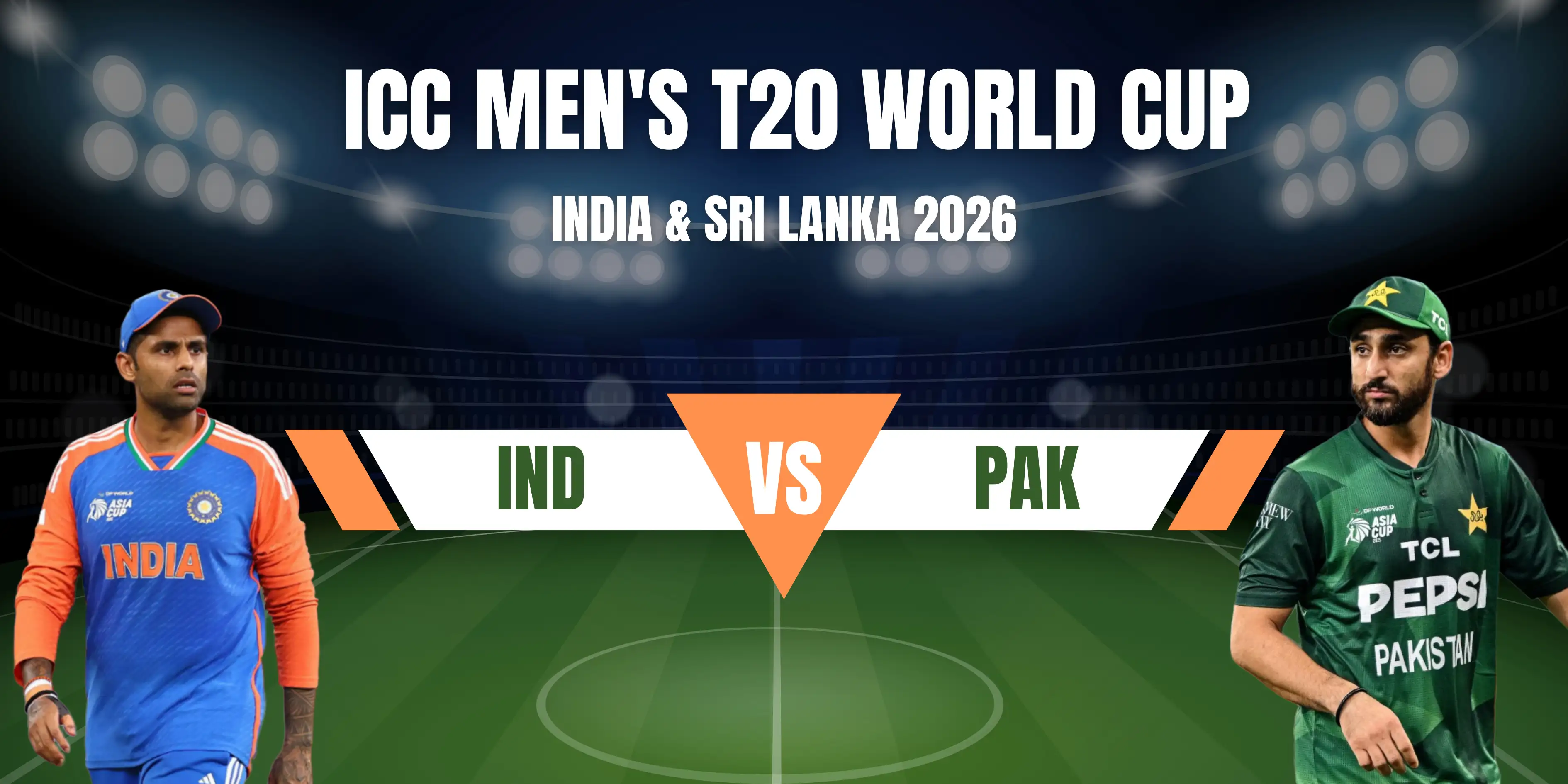
At the same time, nations such as Sri Lanka and the United Arab Emirates also encouraged Pakistan to honour its commitment to the tournament, stressing the commercial and sporting impact of cancelling what is arguably the most high-profile cricket match in the world.
Overall, these negotiations were significant in ending the boycott and restoring confidence that the match will take place as scheduled under the T20 World Cup 2026 fixtures.
By deciding to play the match after all, Pakistan helped preserve both the competitive structure of the T20 World Cup 2026 and the global appeal of a fixture that draws massive viewership.
Why Pakistan Initially Announced a Boycott
Pakistan’s move to boycott the India match in the T20 World Cup was rooted in regional tensions and controversy involving Bangladesh’s role in the tournament. Pakistan had voiced support for Bangladesh after the Bangladesh Cricket Board (BCB) refused to travel to India for their scheduled matches, citing safety concerns and political complications. The ICC responded by replacing Bangladesh with Scotland in the tournament, which became a focal point for Pakistan’s protest.International Pressure to Reverse the Decision
Several key cricketing nations and administrative bodies played a role in persuading Pakistan to rethink its boycott of the India-Pakistan T20 World Cup match. The Bangladesh Cricket Board urged Pakistan to play “for the benefit of the entire cricket ecosystem,” highlighting how much the India-Pakistan fixture matters to fans and stakeholders worldwide.At the same time, nations such as Sri Lanka and the United Arab Emirates also encouraged Pakistan to honour its commitment to the tournament, stressing the commercial and sporting impact of cancelling what is arguably the most high-profile cricket match in the world.
The Official Pakistan Government Statement
The Pakistani government released a statement explaining its change of heart. The statement said in part:“In view of the outcomes achieved, as well as at the request of friendly countries, the Government of Pakistan hereby directs the Pakistan National Cricket Team to take the field on February 15, 2026, for its scheduled fixture in the ICC Men’s T20 World Cup.”The statement also mentioned that the decision was made to “protect the spirit of cricket” and to “support the continuity of this global sport.”
ICC and PCB Talks Helped Resolve the Impasse
The ICC confirmed that formal discussions took place with the Pakistan Cricket Board (PCB). These talks included constructive engagement aimed at preserving the integrity of the T20 World Cup and ensuring that all teams honour their participation commitments. The ICC emphasised the importance of respecting tournament rules and working together for the “best interests of the game”.Overall, these negotiations were significant in ending the boycott and restoring confidence that the match will take place as scheduled under the T20 World Cup 2026 fixtures.
What This Means for the T20 World Cup 2026
The reversal of Pakistan’s boycott is important for several reasons. The India-Pakistan encounter is one of the most watched and commercially impactful matches in cricket, often generating significant broadcast revenue and global engagement. Sporting bodies warned that a boycott could lead to financial losses and contractual challenges for the ICC and broadcasters, especially given the high stakes of the India versus Pakistan clash.By deciding to play the match after all, Pakistan helped preserve both the competitive structure of the T20 World Cup 2026 and the global appeal of a fixture that draws massive viewership.
Backdrop of the Boycott Issue
Political tensions between India and Pakistan have a long history, and these have occasionally spilled into cricketing relations. Despite this complicated backdrop, both teams have continued to meet in ICC events at neutral venues. Earlier in the tournament, discussions even involved possible penalties for withdrawing from high-profile games, making the potential boycott a major concern for fans and organisers alike.Looking Ahead
With the India vs Pakistan T20 World Cup match reinstated, attention now turns back to the cricket on the field. Both teams are preparing for their clash in Colombo on February 15, with the global cricket community watching closely. The resolution of this boycott drama highlights the balance between politics and sport, and the role of international cooperation in preserving major global events like the T20 World Cup 2026.Next Story