
PCB Confirms Participation in ICC Men’s T20 World Cup 2026 Despite Bangladesh Tensions

Pakistan’s cricket board has firmly dismissed rumours that it is considering a boycott of the ICC Men’s T20 World Cup 2026 in support of Bangladesh, despite rising tensions surrounding Bangladesh’s participation in the tournament. This clarification comes amid swirling reports suggesting Pakistan might halt preparations or withdraw from the marquee event in solidarity with Bangladesh’s security concerns about playing in India.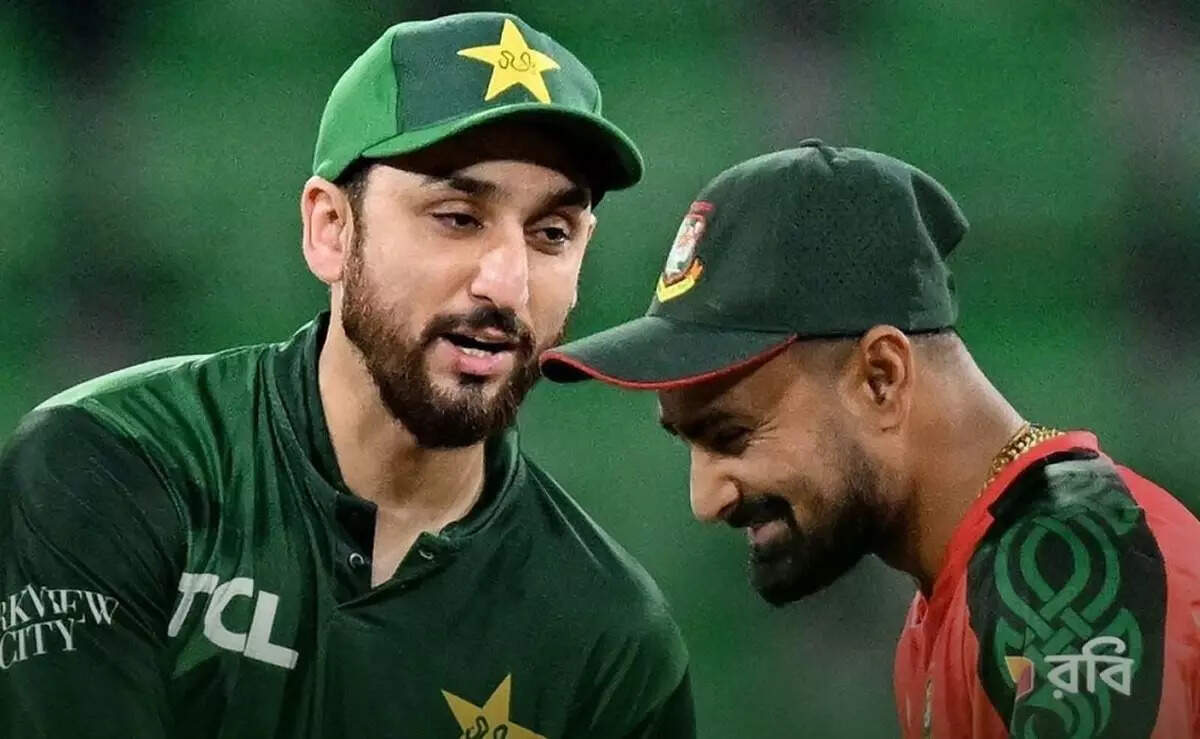
The speculation began after reports emerged that the Bangladesh Cricket Board (BCB) had sought diplomatic and cricketing support from Pakistan in its ongoing standoff with the International Cricket Council (ICC). Bangladesh has reportedly refused to travel to India for its group-stage matches, citing “security and safety” concerns for its players and officials. The issue was further inflamed by controversy surrounding the IPL removal of Bangladesh pacer Mustafizur Rahman from the Kolkata Knight Riders squad, which sparked outrage in Dhaka and resulted in a ban on IPL broadcasts within Bangladesh.
Amid this tense backdrop, some Pakistani media outlets claimed that the Pakistan Cricket Board (PCB) had suspended World Cup preparations and might withdraw if Bangladesh pulled out. Further reports suggested Pakistan could reconsider its participation if Bangladesh’s demands - including shifting its matches out of India or swapping group positions with Ireland - were not met.
However, sources close to the PCB categorically rejected these claims, insisting the board will not boycott the tournament. A PCB insider told RevSportz that since Pakistan’s matches are scheduled to be played in neutral venues in Sri Lanka, following an agreement made in early 2025 after India declined to travel to Pakistan for the Champions Trophy, the board has no grounds to withdraw even if Bangladesh withdraws. The source emphasized that boycott rumours are unfounded speculation intended to “fire up the issue.”
Pakistan is placed in Group A of the ICC Men’s T20 World Cup 2026, with all preliminary matches set at neutral venues in Sri Lanka. In contrast, Bangladesh’s group games are scheduled for Mumbai and Kolkata in India - the focal points of the dispute. The ICC has reportedly set a deadline for Bangladesh to confirm its participation, with Scotland on standby should Bangladesh refuse to play.
This situation highlights broader diplomatic and sporting tensions within international cricket, especially in South Asia, where political issues can swiftly affect tournament scheduling and team participation. It also underscores the complex relationship between national cricket boards, governing bodies like the ICC, and host nations.
For Pakistan, continuing participation in the T20 World Cup 2026 remains critical, not only as a competitive priority but also for maintaining regional cricketing relations and protecting commercial interests. While the PCB has expressed vocal support for Bangladesh’s concerns, it remains committed to fulfilling its World Cup obligations under the terms agreed with the ICC.
As the January participation deadline approaches, all eyes will be on how Bangladesh and the ICC resolve their differences and whether any further diplomatic interventions will shape the final arrangements for Asia’s biggest cricketing spectacle.
The speculation began after reports emerged that the Bangladesh Cricket Board (BCB) had sought diplomatic and cricketing support from Pakistan in its ongoing standoff with the International Cricket Council (ICC). Bangladesh has reportedly refused to travel to India for its group-stage matches, citing “security and safety” concerns for its players and officials. The issue was further inflamed by controversy surrounding the IPL removal of Bangladesh pacer Mustafizur Rahman from the Kolkata Knight Riders squad, which sparked outrage in Dhaka and resulted in a ban on IPL broadcasts within Bangladesh.
Amid this tense backdrop, some Pakistani media outlets claimed that the Pakistan Cricket Board (PCB) had suspended World Cup preparations and might withdraw if Bangladesh pulled out. Further reports suggested Pakistan could reconsider its participation if Bangladesh’s demands - including shifting its matches out of India or swapping group positions with Ireland - were not met.
However, sources close to the PCB categorically rejected these claims, insisting the board will not boycott the tournament. A PCB insider told RevSportz that since Pakistan’s matches are scheduled to be played in neutral venues in Sri Lanka, following an agreement made in early 2025 after India declined to travel to Pakistan for the Champions Trophy, the board has no grounds to withdraw even if Bangladesh withdraws. The source emphasized that boycott rumours are unfounded speculation intended to “fire up the issue.”
Pakistan is placed in Group A of the ICC Men’s T20 World Cup 2026, with all preliminary matches set at neutral venues in Sri Lanka. In contrast, Bangladesh’s group games are scheduled for Mumbai and Kolkata in India - the focal points of the dispute. The ICC has reportedly set a deadline for Bangladesh to confirm its participation, with Scotland on standby should Bangladesh refuse to play.
This situation highlights broader diplomatic and sporting tensions within international cricket, especially in South Asia, where political issues can swiftly affect tournament scheduling and team participation. It also underscores the complex relationship between national cricket boards, governing bodies like the ICC, and host nations.
For Pakistan, continuing participation in the T20 World Cup 2026 remains critical, not only as a competitive priority but also for maintaining regional cricketing relations and protecting commercial interests. While the PCB has expressed vocal support for Bangladesh’s concerns, it remains committed to fulfilling its World Cup obligations under the terms agreed with the ICC.
As the January participation deadline approaches, all eyes will be on how Bangladesh and the ICC resolve their differences and whether any further diplomatic interventions will shape the final arrangements for Asia’s biggest cricketing spectacle.
Next Story