
India-Pakistan World Cup Clash Saved After PCB U-Turn Amid Cricket ‘Weaponisation’ Accusations

In an unprecedented series of events at the ICC Men’s T20 World Cup 2026, Pakistan ignited one of the most dramatic controversies in recent cricket history by initially announcing it would boycott its scheduled group-stage clash against arch-rival India on February 15, only to later reverse that decision following intense diplomatic and cricketing negotiations.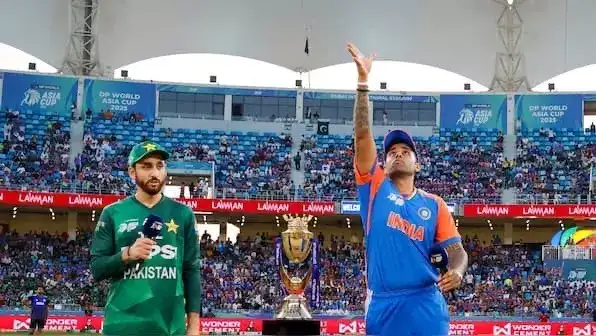
The controversy began after the Bangladesh Cricket Board (BCB) refused to play their tournament fixtures in India on security grounds, resulting in the ICC replacing Bangladesh with Scotland. Pakistan strongly criticised the move, framing it as double standards by cricket’s governing body and standing in solidarity with Bangladesh. Pakistan’s government then invoked a dramatic decision: allowing the national team to take part in the tournament but instructing it not to take the field against India, one of the sport’s most anticipated fixtures.
The move sent shockwaves through the global cricket ecosystem. The India-Pakistan rivalry is among the most watched in sport, often generating huge viewership and anchoring broadcast deals worth hundreds of millions of dollars. A boycott would have not only delivered a symbolic political statement but also jeopardised the commercial structure of the World Cup and the ICC’s lucrative media rights arrangements.
Global reaction to Pakistan’s boycott declaration was swift. The ICC warned against selective participation, emphasising that such actions could undermine the integrity of international tournaments. Meanwhile, the BCB urged Pakistan to reconsider its stance, framing the India fixture as beneficial to the entire cricket community. Encouragement also came from other cricket boards, underscoring the broader impact of any boycott on fans, host nations, and smaller member boards that depend on ICC revenue distributions.
After days of behind-the-scenes negotiations involving the ICC, PCB, BCB and friendly cricketing nations, Pakistan relented and agreed to play the match in Colombo as originally scheduled. Bangladesh was assured it would not face sanctions for its refusal to travel to India, and discussions suggested future tournament hosting opportunities as part of the compromise.
In the aftermath of this dramatic U-turn, some in Pakistan have framed the episode as the “weaponisation of cricket”, claiming the boycott decision and its reversal reflect biased treatment by international cricket authorities, rather than sporting considerations. This narrative asserts that cricket has become a proxy for political influence and that Pakistan’s stance was a symbolic protest rather than a genuine sporting decision, a perspective that resonates domestically but is widely challenged internationally.
Critics, including cricket analysts, former players, and commentators argue that the boycott and subsequent reversal exposed political interference in sport and highlighted conflicting interests between cricket governance and international diplomacy. They point to the heavy financial stakes tied to India-Pakistan encounters, and suggest that economic and contractual pressures played a key role in Pakistan’s change of heart.
As the tournament progresses, the episode will likely be remembered not for pre-match points or performance but for how geopolitical tensions can spill into cricket’s realm. The saga has sparked debate about the lines between sport and politics, the role of governing bodies in managing sensitive disputes, and whether cricket can remain a neutral platform for competition in an increasingly interconnected and politically charged world.
The controversy began after the Bangladesh Cricket Board (BCB) refused to play their tournament fixtures in India on security grounds, resulting in the ICC replacing Bangladesh with Scotland. Pakistan strongly criticised the move, framing it as double standards by cricket’s governing body and standing in solidarity with Bangladesh. Pakistan’s government then invoked a dramatic decision: allowing the national team to take part in the tournament but instructing it not to take the field against India, one of the sport’s most anticipated fixtures.
The move sent shockwaves through the global cricket ecosystem. The India-Pakistan rivalry is among the most watched in sport, often generating huge viewership and anchoring broadcast deals worth hundreds of millions of dollars. A boycott would have not only delivered a symbolic political statement but also jeopardised the commercial structure of the World Cup and the ICC’s lucrative media rights arrangements.
Global reaction to Pakistan’s boycott declaration was swift. The ICC warned against selective participation, emphasising that such actions could undermine the integrity of international tournaments. Meanwhile, the BCB urged Pakistan to reconsider its stance, framing the India fixture as beneficial to the entire cricket community. Encouragement also came from other cricket boards, underscoring the broader impact of any boycott on fans, host nations, and smaller member boards that depend on ICC revenue distributions.
After days of behind-the-scenes negotiations involving the ICC, PCB, BCB and friendly cricketing nations, Pakistan relented and agreed to play the match in Colombo as originally scheduled. Bangladesh was assured it would not face sanctions for its refusal to travel to India, and discussions suggested future tournament hosting opportunities as part of the compromise.
In the aftermath of this dramatic U-turn, some in Pakistan have framed the episode as the “weaponisation of cricket”, claiming the boycott decision and its reversal reflect biased treatment by international cricket authorities, rather than sporting considerations. This narrative asserts that cricket has become a proxy for political influence and that Pakistan’s stance was a symbolic protest rather than a genuine sporting decision, a perspective that resonates domestically but is widely challenged internationally.
Critics, including cricket analysts, former players, and commentators argue that the boycott and subsequent reversal exposed political interference in sport and highlighted conflicting interests between cricket governance and international diplomacy. They point to the heavy financial stakes tied to India-Pakistan encounters, and suggest that economic and contractual pressures played a key role in Pakistan’s change of heart.
As the tournament progresses, the episode will likely be remembered not for pre-match points or performance but for how geopolitical tensions can spill into cricket’s realm. The saga has sparked debate about the lines between sport and politics, the role of governing bodies in managing sensitive disputes, and whether cricket can remain a neutral platform for competition in an increasingly interconnected and politically charged world.
Next Story