Rashid Khan Explains to Kevin Pietersen Why He Needs a Bulletproof Car in Afghanistan

Afghanistan’s premier spin bowler and global cricket icon, Rashid Khan, has offered a startling glimpse into life as a high-profile athlete in his conflict-affected homeland, revealing that he travels in a bulletproof car for personal safety. The Afghan cricketer shared this candid insight during a conversation with former England captain Kevin Pietersen, highlighting the serious security challenges he faces despite his celebrated status in international cricket.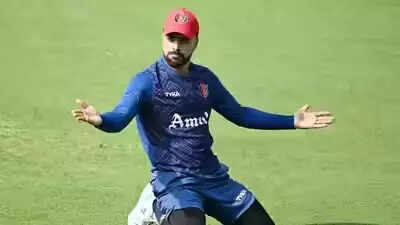
During the exchange, Pietersen asked Khan whether he could walk freely on the streets of Kabul, Afghanistan’s capital. The 27-year-old responded that he cannot, explaining that travelling in a bulletproof vehicle is a necessary safety precaution rather than a luxury. When Pietersen expressed surprise, Khan explained that in Afghanistan where armed conflict, political instability, and sporadic violence are part of daily life using such protective transport has become “normal.” He emphasised that the car is not about prestige, but about avoiding danger and staying safe in unpredictable environments.
Khan’s discussion underscores the paradox of being one of the nation’s most beloved figures while living under constant threat. Although his success on the cricket field has brought joy and pride to many Afghans, it has also made him a visible target or, more precisely, a perceived one in a country where instability persists. The spinner’s calm demeanour in discussing such serious personal safety measures reflects both his resilience and the extent to which security concerns shape everyday life for many Afghans, regardless of fame.
The candid admission stands in contrast to the glamorous image often associated with international sporting celebrities. For most cricketers playing in lucrative T20 leagues like the Indian Premier League (IPL) or Big Bash League (BBL), fame is measured in endorsement deals, fan followings, and global recognition. But for Khan, the trappings of superstardom come with deeper and more sobering consequences: restricted mobility, heightened visibility, and ongoing concerns about personal safety for himself and his loved ones.
Khan’s situation also reflects broader realities in Afghanistan. Since the Taliban regained control of the country, security dynamics have shifted, and civilians, particularly prominent ones, often face heightened risk of violence, kidnapping, or other security threats. While Khan did not describe specific incidents indicating direct threats against him, his routine use of reinforced transport highlights the everyday precautions many in Afghanistan adopt to stay safe.
Despite these challenges, Rashid continues to play cricket with fierce pride and commitment. The leg-spinner has become the face of Afghan cricket on the world stage, representing his nation in major international tournaments and franchise leagues. His performances have inspired a generation of young Afghan cricketers and united fans in a country where sporting success often offers respite from political strife and hardship.
Rashid’s comments also shed light on a deeper reality faced by athletes from conflict-affected regions - that sporting success and global recognition do not always translate into personal freedom or security. His story highlights how international fame intersects with local instability, making his journey, resilience, and achievements all the more remarkable.
During the exchange, Pietersen asked Khan whether he could walk freely on the streets of Kabul, Afghanistan’s capital. The 27-year-old responded that he cannot, explaining that travelling in a bulletproof vehicle is a necessary safety precaution rather than a luxury. When Pietersen expressed surprise, Khan explained that in Afghanistan where armed conflict, political instability, and sporadic violence are part of daily life using such protective transport has become “normal.” He emphasised that the car is not about prestige, but about avoiding danger and staying safe in unpredictable environments.
Khan’s discussion underscores the paradox of being one of the nation’s most beloved figures while living under constant threat. Although his success on the cricket field has brought joy and pride to many Afghans, it has also made him a visible target or, more precisely, a perceived one in a country where instability persists. The spinner’s calm demeanour in discussing such serious personal safety measures reflects both his resilience and the extent to which security concerns shape everyday life for many Afghans, regardless of fame.
The candid admission stands in contrast to the glamorous image often associated with international sporting celebrities. For most cricketers playing in lucrative T20 leagues like the Indian Premier League (IPL) or Big Bash League (BBL), fame is measured in endorsement deals, fan followings, and global recognition. But for Khan, the trappings of superstardom come with deeper and more sobering consequences: restricted mobility, heightened visibility, and ongoing concerns about personal safety for himself and his loved ones.
Khan’s situation also reflects broader realities in Afghanistan. Since the Taliban regained control of the country, security dynamics have shifted, and civilians, particularly prominent ones, often face heightened risk of violence, kidnapping, or other security threats. While Khan did not describe specific incidents indicating direct threats against him, his routine use of reinforced transport highlights the everyday precautions many in Afghanistan adopt to stay safe.
Despite these challenges, Rashid continues to play cricket with fierce pride and commitment. The leg-spinner has become the face of Afghan cricket on the world stage, representing his nation in major international tournaments and franchise leagues. His performances have inspired a generation of young Afghan cricketers and united fans in a country where sporting success often offers respite from political strife and hardship.
Rashid’s comments also shed light on a deeper reality faced by athletes from conflict-affected regions - that sporting success and global recognition do not always translate into personal freedom or security. His story highlights how international fame intersects with local instability, making his journey, resilience, and achievements all the more remarkable.
Next Story