
Zidane Reveals Real Madrid Success Secret After Xabi Alonso Sacking

Real Madrid finds itself navigating turbulent waters after the mid-season departure of head coach Xabi Alonso, with former manager Zinedine Zidane offering insights into what it takes to thrive at the Santiago Bernabéu. In comments reflecting on his successful tenure, Zidane emphasised a managerial philosophy centred on supporting and being available for the players, a sentiment that now resonates against the backdrop of Alonso’s exit.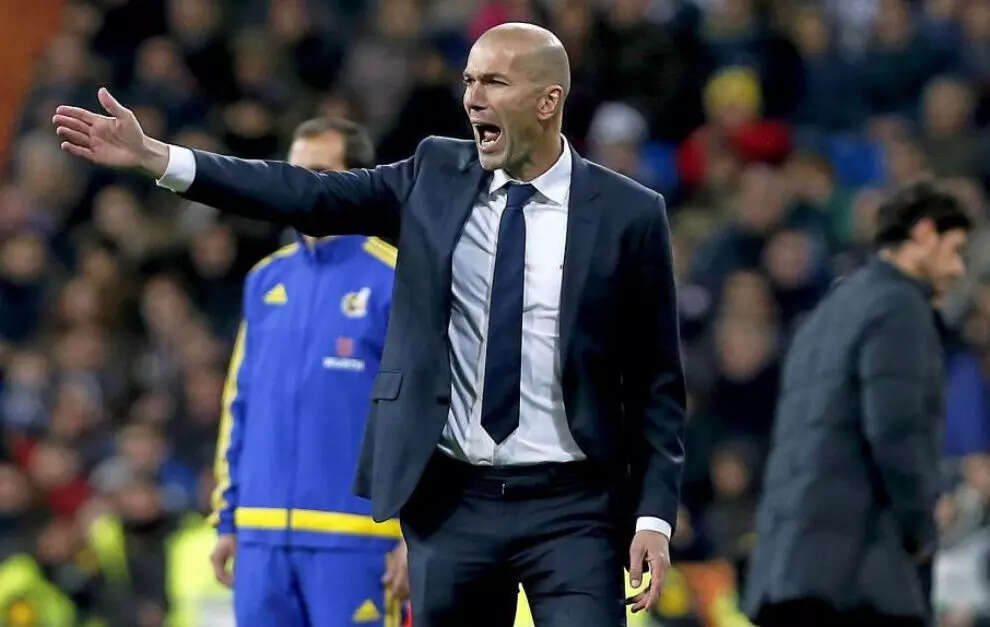
Zidane’s remarks, made during an interview on a YouTube channel hosted by a former Madrid staffer, underlined the importance of building trust, enjoyment and confidence within the squad. “At Real Madrid, we were at the players’ disposal. For me, that’s what makes something strong; you’re there for the player,” he said, explaining that allowing players to feel supported and valued can be foundational to success on the pitch.
This commentary arrives shortly after Real Madrid and Alonso agreed to part ways by mutual consent following a 3-2 defeat to Barcelona in the Spanish Super Cup final. Alonso’s spell lasted less than eight months, with the club citing a blend of competitive setbacks and fit with the squad as contributing factors. Former Real Madrid manager Álvaro Arbeloa has since been appointed interim boss as the club seeks stability.
The context of Alonso’s departure reveals deeper concerns about the fragile balance between managerial authority and player influence at Madrid. Reports suggest that Alonso struggled to assert his tactical vision within a dressing room comprising world-class talents accustomed to significant influence. While some players reportedly backed Alonso’s methods, others were less receptive, according to various analyses of internal club dynamics.
Football observers have noted that Real Madrid’s culture traditionally emphasises both excellence and harmony among star players, a dual expectation that can be difficult to manage. Former coaches and analysts have suggested that Real Madrid’s emphasis on maintaining player satisfaction sometimes eclipses the authority of a manager, creating an environment where football philosophies must be carefully balanced with interpersonal dynamics.
Zidane himself excelled in this delicate role during his time in charge, blending tactical awareness with a player-centric approach. His ability to foster unity and confidence was central to an era that brought three Champions League titles and multiple domestic honours to the club. His success highlighted the value of relational leadership and adaptability in one of the sport’s most demanding environments.
In contrast, Alonso’s tenure exposed how quickly that balance can fray. Despite a respectable overall performance and moments of tactical brilliance, Alonso’s expectations reportedly clashed with established rhythms and attitudes within the squad. Speculation around internal disagreements over training methods, tactical discipline, and player roles added to the complexity of his position.
As Arbeloa steps into the managerial role, Real Madrid will be keen to restore cohesion and momentum in both La Liga and cup competitions. Zidane’s reflections serve as a reminder that success at the Bernabéu has as much to do with relationship management and psychology as with on-field strategy. For a club with lofty expectations and a star-studded roster, navigating these interpersonal dynamics remains as crucial as ever.
Zidane’s remarks, made during an interview on a YouTube channel hosted by a former Madrid staffer, underlined the importance of building trust, enjoyment and confidence within the squad. “At Real Madrid, we were at the players’ disposal. For me, that’s what makes something strong; you’re there for the player,” he said, explaining that allowing players to feel supported and valued can be foundational to success on the pitch.
This commentary arrives shortly after Real Madrid and Alonso agreed to part ways by mutual consent following a 3-2 defeat to Barcelona in the Spanish Super Cup final. Alonso’s spell lasted less than eight months, with the club citing a blend of competitive setbacks and fit with the squad as contributing factors. Former Real Madrid manager Álvaro Arbeloa has since been appointed interim boss as the club seeks stability.
The context of Alonso’s departure reveals deeper concerns about the fragile balance between managerial authority and player influence at Madrid. Reports suggest that Alonso struggled to assert his tactical vision within a dressing room comprising world-class talents accustomed to significant influence. While some players reportedly backed Alonso’s methods, others were less receptive, according to various analyses of internal club dynamics.
Football observers have noted that Real Madrid’s culture traditionally emphasises both excellence and harmony among star players, a dual expectation that can be difficult to manage. Former coaches and analysts have suggested that Real Madrid’s emphasis on maintaining player satisfaction sometimes eclipses the authority of a manager, creating an environment where football philosophies must be carefully balanced with interpersonal dynamics.
Zidane himself excelled in this delicate role during his time in charge, blending tactical awareness with a player-centric approach. His ability to foster unity and confidence was central to an era that brought three Champions League titles and multiple domestic honours to the club. His success highlighted the value of relational leadership and adaptability in one of the sport’s most demanding environments.
In contrast, Alonso’s tenure exposed how quickly that balance can fray. Despite a respectable overall performance and moments of tactical brilliance, Alonso’s expectations reportedly clashed with established rhythms and attitudes within the squad. Speculation around internal disagreements over training methods, tactical discipline, and player roles added to the complexity of his position.
As Arbeloa steps into the managerial role, Real Madrid will be keen to restore cohesion and momentum in both La Liga and cup competitions. Zidane’s reflections serve as a reminder that success at the Bernabéu has as much to do with relationship management and psychology as with on-field strategy. For a club with lofty expectations and a star-studded roster, navigating these interpersonal dynamics remains as crucial as ever.
Next Story