
India vs New Zealand T20I: Aakash Chopra Critiques Playing XI Rotation Ahead of World Cup

With India already leading the five-match T20I series against New Zealand 3-0, former Indian opener Aakash Chopra weighed in on team selection ahead of the fourth clash and he did so with a clear message: resting a “one-format player” isn’t always beneficial.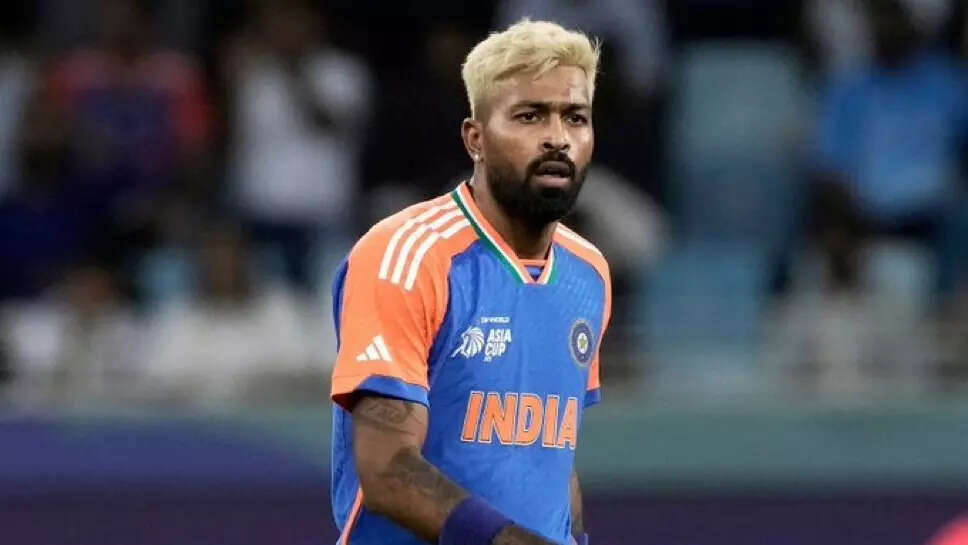
The 48-year-old cricket analyst was responding to speculation that India might tinker with their playing XI for the 28 January 2026 T20I in Visakhapatnam. Since India has taken an unassailable lead, the temptation to rotate players and test squad depth especially with the T20 World Cup 2026 on the horizon is high. However, Chopra’s view is that some rotation strategies could hurt team rhythm and clarity.
Chopra’s comments stem from discussions around potentially resting specialists who primarily play only one format, for example, players who have found their niche exclusively in T20 cricket. He believes that unless there’s a compelling reason like injury or workload management, such players should be backed consistently rather than being rotated out. This assertion has fuelled debates around selection stability and preparation for major tournaments like the World Cup.
This debate comes amid a flurry of changes and performances throughout the series. In earlier matches, India’s batting has been highlighted by aggressive displays from players like Ishan Kishan and Abhishek Sharma, helping India dominate the Kiwi bowlers. Meanwhile, selection calls such as including Ravi Bishnoi or rotating all-rounders have kept pundits and fans talking.
One of the key issues raised around rotation is the potential resting of Hardik Pandya, a key all-rounder, to manage his fitness ahead of the T20 World Cup. Sources suggest that resting Hardik could open up opportunities for players like Shreyas Iyer or Shivam Dube, offering them a chance to stake a claim for future roles.
Chopra’s critique isn’t isolated. Other former players have voiced similar concerns about frequent changes disrupting team balance. The idea is that while experimentation can be valuable, especially in dead rubbers, there’s risk in unsettling players who have been consistent contributors.
Another angle in the ongoing squad discussions surrounds the wicketkeeper position particularly between Sanju Samson and Ishan Kishan. With Kishan in good touch and Samson struggling for consistency in this series, analysts like Chopra are paying close attention to how selectors navigate these choices.
As India prepares for the fourth match, the emphasis will be on fine-tuning the squad without undermining the confidence and continuity of players who have delivered strong performances. While resting players can be strategic, Chopra’s argument highlights a broader cricketing truth: continuity often breeds confidence and cohesion, especially with a major ICC tournament looming.
With the Indian team management balancing experiment with experience, the outcome of the 4th T20I both in terms of result and selection decisions will offer more clarity on the best path forward as they build momentum into the 2026 T20 World Cup
The 48-year-old cricket analyst was responding to speculation that India might tinker with their playing XI for the 28 January 2026 T20I in Visakhapatnam. Since India has taken an unassailable lead, the temptation to rotate players and test squad depth especially with the T20 World Cup 2026 on the horizon is high. However, Chopra’s view is that some rotation strategies could hurt team rhythm and clarity.
Chopra’s comments stem from discussions around potentially resting specialists who primarily play only one format, for example, players who have found their niche exclusively in T20 cricket. He believes that unless there’s a compelling reason like injury or workload management, such players should be backed consistently rather than being rotated out. This assertion has fuelled debates around selection stability and preparation for major tournaments like the World Cup.
This debate comes amid a flurry of changes and performances throughout the series. In earlier matches, India’s batting has been highlighted by aggressive displays from players like Ishan Kishan and Abhishek Sharma, helping India dominate the Kiwi bowlers. Meanwhile, selection calls such as including Ravi Bishnoi or rotating all-rounders have kept pundits and fans talking.
One of the key issues raised around rotation is the potential resting of Hardik Pandya, a key all-rounder, to manage his fitness ahead of the T20 World Cup. Sources suggest that resting Hardik could open up opportunities for players like Shreyas Iyer or Shivam Dube, offering them a chance to stake a claim for future roles.
You may also like
 Karisma Kapoor dances on Mirchi Lagi Toh Main Kya Karoon with Chef Kunal Kapur, recreates 90s magic
- Dell, NxtGen to build India's largest AI factory with over 4,000 NVIDIA Blackwell GPUs
- ED sends businessman to four-day custody in PMLA case
- Baramati Plane Crash: Pilot Shambhavi Pathak's grandmother expresses grief over granddaughter's death
- Single's Inferno Season 5 Part 2: Release date, episodes, schedule, and where to watch
Chopra’s critique isn’t isolated. Other former players have voiced similar concerns about frequent changes disrupting team balance. The idea is that while experimentation can be valuable, especially in dead rubbers, there’s risk in unsettling players who have been consistent contributors.
Another angle in the ongoing squad discussions surrounds the wicketkeeper position particularly between Sanju Samson and Ishan Kishan. With Kishan in good touch and Samson struggling for consistency in this series, analysts like Chopra are paying close attention to how selectors navigate these choices.
As India prepares for the fourth match, the emphasis will be on fine-tuning the squad without undermining the confidence and continuity of players who have delivered strong performances. While resting players can be strategic, Chopra’s argument highlights a broader cricketing truth: continuity often breeds confidence and cohesion, especially with a major ICC tournament looming.
With the Indian team management balancing experiment with experience, the outcome of the 4th T20I both in terms of result and selection decisions will offer more clarity on the best path forward as they build momentum into the 2026 T20 World Cup






More from our partners


Loving Newspoint? Download the app now
