
Real Madrid Turmoil: Rio Ferdinand Says Behind-the-Scenes Issues Led to Coaching Shake-Up

The sudden departure of Xabi Alonso as head coach of Real Madrid has triggered widespread debate across the football world. Former Manchester United star Rio Ferdinand questioned whether a single setback - the 3-2 Spanish Super Cup defeat to Barcelona - was truly sufficient to justify the Spaniard’s exit. His remarks have reignited discussions around Real Madrid’s dressing room culture, internal dynamics, and the pressures that often shape managerial decisions at elite clubs.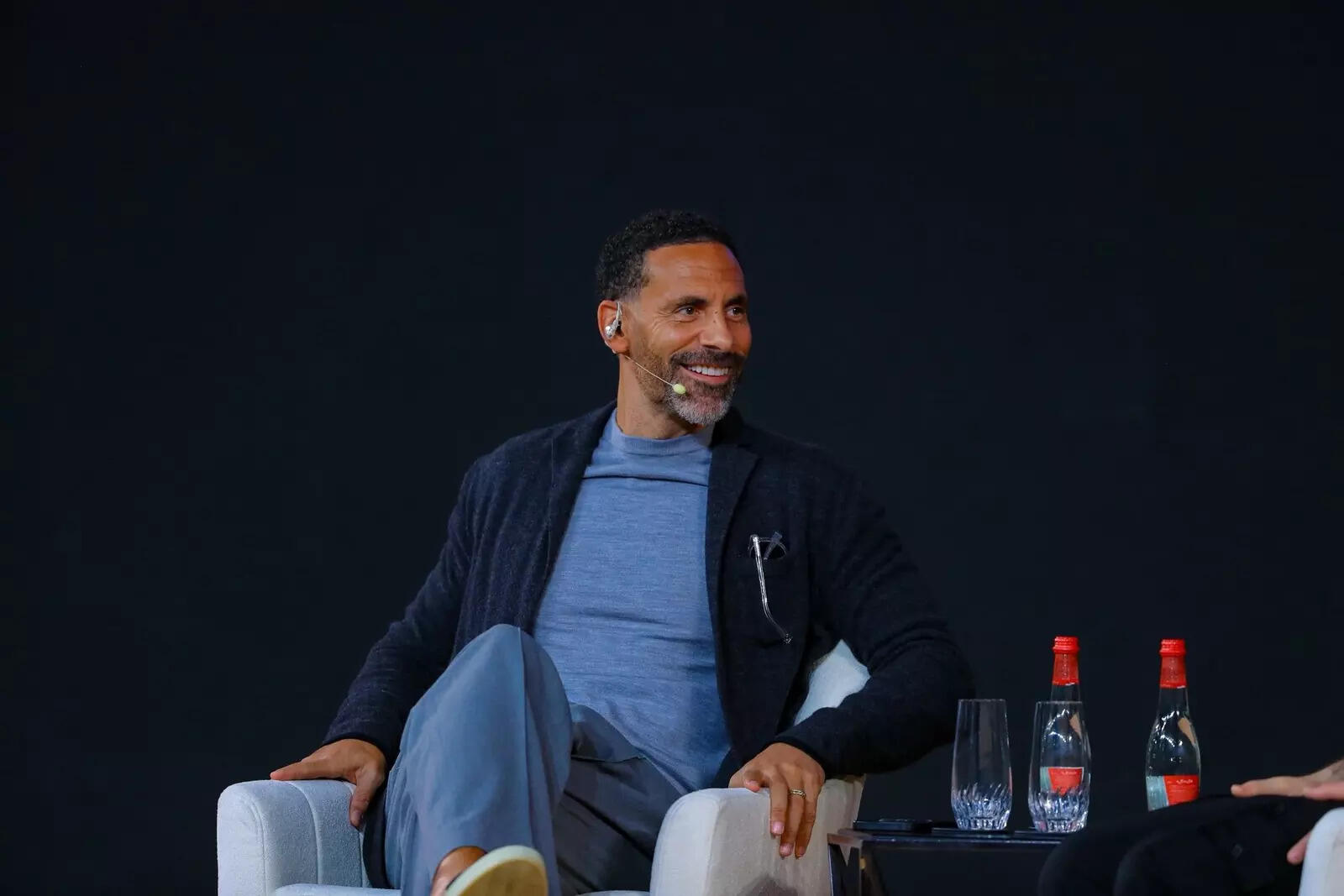
Alonso’s exit, officially confirmed on January 12, 2026, came just a day after Real Madrid’s Super Cup final loss in Saudi Arabia. While the club described the decision as mutual, Real Madrid’s unforgiving standards and constant pursuit of silverware have led many analysts, including Ferdinand, to suggest that factors beyond one result played a decisive role in the sacking.
Ferdinand, speaking publicly on the matter, argued that losing in a cup final, even to arch-rivals Barcelona, should not single-handedly cost a manager his job. His assertion reflects a growing belief that dressing room cohesion, player–coach relationships, and broader organisational dynamics may have been decisive factors. This perspective resonates with reports suggesting Alonso struggled to fully command the respect of senior squad members, contributing to a breakdown in authority and unity.
Indeed, several media outlets have explored the notion that Alonso’s tenure was hampered by internal friction particularly with key figures in the squad. Reports have emerged of disagreements over tactical approaches, rotation policies, and perhaps most symbolically, a breakdown in post-match rituals. One widely discussed incident reportedly involved senior players ignoring Alonso’s request for a guard of honour after defeats, seen by some as a public sign of eroded influence within the group.
Such moments feed into a larger narrative: that Alonso, despite his tactical acumen and professional pedigree, may have lost the dressing room an insidious problem at elite clubs where star personalities wield significant influence. Analysts note that Real Madrid’s roster is filled with world-class talent, and balancing egos with discipline is a perennial challenge. The perception that Alonso struggled in this regard adds context to Ferdinand’s line of questioning.
Further complicating matters were reports of discontent among players regarding Alonso’s methods seen by some as rigid or overly analytical. Such perceptions are exacerbated in environments where swift results are expected, and patience is limited. Real’s hierarchy, led by president Florentino Pérez, has little tolerance for prolonged transition periods, especially when titles are at stake.
Ultimately, Real Madrid moved swiftly to appoint Álvaro Arbeloa as Alonso’s replacement. A club legend with deep institutional knowledge, Arbeloa is seen as a stabilising figure with strong internal relationships. His appointment signals the club’s desire for alignment between management and players, as well as a return to cultural familiarity.
Ferdinand’s commentary does more than question a managerial sacking; it shines a spotlight on modern football’s evolving power dynamics, where results, personalities, and club politics intersect. At Real Madrid, a club that thrives on success but has seen varying managerial approaches falter, his remarks highlight the complexity behind headline-grabbing decisions. Whether Alonso’s exit was justified purely on competitive grounds or rooted in deeper cultural clashes, the debate underscores the fragile balance at elite football’s highest levels.
Alonso’s exit, officially confirmed on January 12, 2026, came just a day after Real Madrid’s Super Cup final loss in Saudi Arabia. While the club described the decision as mutual, Real Madrid’s unforgiving standards and constant pursuit of silverware have led many analysts, including Ferdinand, to suggest that factors beyond one result played a decisive role in the sacking.
Ferdinand, speaking publicly on the matter, argued that losing in a cup final, even to arch-rivals Barcelona, should not single-handedly cost a manager his job. His assertion reflects a growing belief that dressing room cohesion, player–coach relationships, and broader organisational dynamics may have been decisive factors. This perspective resonates with reports suggesting Alonso struggled to fully command the respect of senior squad members, contributing to a breakdown in authority and unity.
Indeed, several media outlets have explored the notion that Alonso’s tenure was hampered by internal friction particularly with key figures in the squad. Reports have emerged of disagreements over tactical approaches, rotation policies, and perhaps most symbolically, a breakdown in post-match rituals. One widely discussed incident reportedly involved senior players ignoring Alonso’s request for a guard of honour after defeats, seen by some as a public sign of eroded influence within the group.
Such moments feed into a larger narrative: that Alonso, despite his tactical acumen and professional pedigree, may have lost the dressing room an insidious problem at elite clubs where star personalities wield significant influence. Analysts note that Real Madrid’s roster is filled with world-class talent, and balancing egos with discipline is a perennial challenge. The perception that Alonso struggled in this regard adds context to Ferdinand’s line of questioning.
Further complicating matters were reports of discontent among players regarding Alonso’s methods seen by some as rigid or overly analytical. Such perceptions are exacerbated in environments where swift results are expected, and patience is limited. Real’s hierarchy, led by president Florentino Pérez, has little tolerance for prolonged transition periods, especially when titles are at stake.
Ultimately, Real Madrid moved swiftly to appoint Álvaro Arbeloa as Alonso’s replacement. A club legend with deep institutional knowledge, Arbeloa is seen as a stabilising figure with strong internal relationships. His appointment signals the club’s desire for alignment between management and players, as well as a return to cultural familiarity.
Ferdinand’s commentary does more than question a managerial sacking; it shines a spotlight on modern football’s evolving power dynamics, where results, personalities, and club politics intersect. At Real Madrid, a club that thrives on success but has seen varying managerial approaches falter, his remarks highlight the complexity behind headline-grabbing decisions. Whether Alonso’s exit was justified purely on competitive grounds or rooted in deeper cultural clashes, the debate underscores the fragile balance at elite football’s highest levels.
Next Story