
Why Roy Keane Wants Eddie Howe to Be the Next Manchester United Boss

With Ruben Amorim’s departure as Manchester United manager, speculation is intensifying over who will be appointed permanently. Amidst this debate, former Manchester United captain Roy Keane has publicly endorsed Eddie Howe, the current manager of Newcastle United, as his top choice for the next Manchester United boss - a suggestion that has sparked discussion among fans and pundits alike.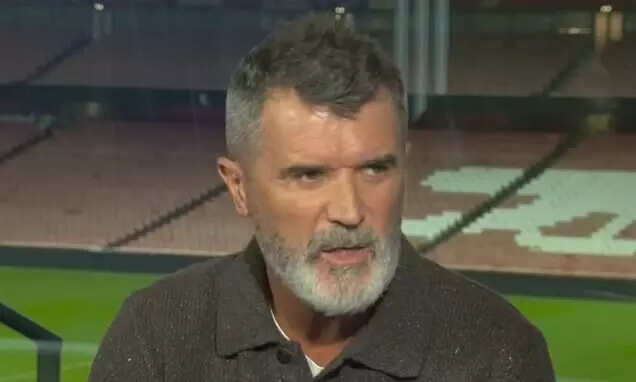
Amorim’s tenure at Old Trafford lasted around 14 months, marked by inconsistent results and the team lingering in the mid-table zone of the Premier League. Following his exit, United appointed Darren Fletcher as caretaker manager while the club’s hierarchy continues the search for a long-term appointment. This managerial merry-go-round - United’s sixth dismissal since the retirement of Sir Alex Ferguson - means the next permanent boss will face immense pressure to deliver results.
Speaking on live punditry, Keane clarified that his choice isn’t merely about popularity; he wants a manager who can “get a grip on the dressing room,” steady the squad’s mentality, and implement a consistent playing style. That’s why he nominated Eddie Howe, a coach he respects for his calm demeanor and clear football philosophy.
Howe first made his mark with successful spells at AFC Bournemouth, where he stabilised the club and led them to the Premier League. He has continued his strong managerial career at Newcastle United, securing Champions League football and delivering a trophy in the Carabao Cup.
Keane acknowledged that Howe “has his critics” but argued such voices shouldn’t overshadow his true managerial strengths: tactical intelligence, experience in handling high-pressure games, and the ability to instill discipline and resilience in his players.
The managerial search at Old Trafford remains complex. Interim options like Ole Gunnar Solskjaer and Michael Carrick have been discussed internally, while pundits such as Gary Neville have urged the club to avoid risky appointments and focus on proven winners with solid Premier League credentials.
There are also external candidates in the mix, including renowned coaches like Thomas Tuchel and Carlo Ancelotti, known for their tactical acumen and success at elite clubs. These names show that Manchester United’s board is weighing both experienced figures and rising talents ahead of a crucial decision.
Keane’s support for Howe reflects a broader trend in Premier League managerial appointments: prioritising stability, adaptability, and long-term vision over flashier but uncertain options. Unlike Amorim’s short stint, a manager like Howe could offer a clear philosophy, which is attractive to a club seeking identity and consistency.
His calm leadership contrasts with the sometimes turbulent atmosphere at United, where player morale and tactical cohesion were frequent concerns during Amorim’s reign.
Manchester United’s managerial decision will significantly shape their competitive prospects in both the Premier League and European competitions. Keane’s endorsement of Eddie Howe adds legitimacy and fuels debate, especially given the former captain’s deep ties to the club and understanding of its culture.
Whether the board follows this advice remains to be seen, but Howe’s name is now firmly on the shortlist of serious candidates to restore Manchester United’s ambition and playing style.
Amorim’s tenure at Old Trafford lasted around 14 months, marked by inconsistent results and the team lingering in the mid-table zone of the Premier League. Following his exit, United appointed Darren Fletcher as caretaker manager while the club’s hierarchy continues the search for a long-term appointment. This managerial merry-go-round - United’s sixth dismissal since the retirement of Sir Alex Ferguson - means the next permanent boss will face immense pressure to deliver results.
Speaking on live punditry, Keane clarified that his choice isn’t merely about popularity; he wants a manager who can “get a grip on the dressing room,” steady the squad’s mentality, and implement a consistent playing style. That’s why he nominated Eddie Howe, a coach he respects for his calm demeanor and clear football philosophy.
Howe first made his mark with successful spells at AFC Bournemouth, where he stabilised the club and led them to the Premier League. He has continued his strong managerial career at Newcastle United, securing Champions League football and delivering a trophy in the Carabao Cup.
Keane acknowledged that Howe “has his critics” but argued such voices shouldn’t overshadow his true managerial strengths: tactical intelligence, experience in handling high-pressure games, and the ability to instill discipline and resilience in his players.
The managerial search at Old Trafford remains complex. Interim options like Ole Gunnar Solskjaer and Michael Carrick have been discussed internally, while pundits such as Gary Neville have urged the club to avoid risky appointments and focus on proven winners with solid Premier League credentials.
There are also external candidates in the mix, including renowned coaches like Thomas Tuchel and Carlo Ancelotti, known for their tactical acumen and success at elite clubs. These names show that Manchester United’s board is weighing both experienced figures and rising talents ahead of a crucial decision.
Keane’s support for Howe reflects a broader trend in Premier League managerial appointments: prioritising stability, adaptability, and long-term vision over flashier but uncertain options. Unlike Amorim’s short stint, a manager like Howe could offer a clear philosophy, which is attractive to a club seeking identity and consistency.
His calm leadership contrasts with the sometimes turbulent atmosphere at United, where player morale and tactical cohesion were frequent concerns during Amorim’s reign.
Manchester United’s managerial decision will significantly shape their competitive prospects in both the Premier League and European competitions. Keane’s endorsement of Eddie Howe adds legitimacy and fuels debate, especially given the former captain’s deep ties to the club and understanding of its culture.
Whether the board follows this advice remains to be seen, but Howe’s name is now firmly on the shortlist of serious candidates to restore Manchester United’s ambition and playing style.
Next Story