
Man Utd Part Ways with Rúben Amorim Following Poor Results and Board Tensions

Manchester United have officially dismissed head coach Rúben Amorim, bringing an abrupt end to his 14-month tenure at Old Trafford. The decision comes amid growing pressure from poor on-field results and rising internal tensions between the Portuguese manager and the club’s senior leadership.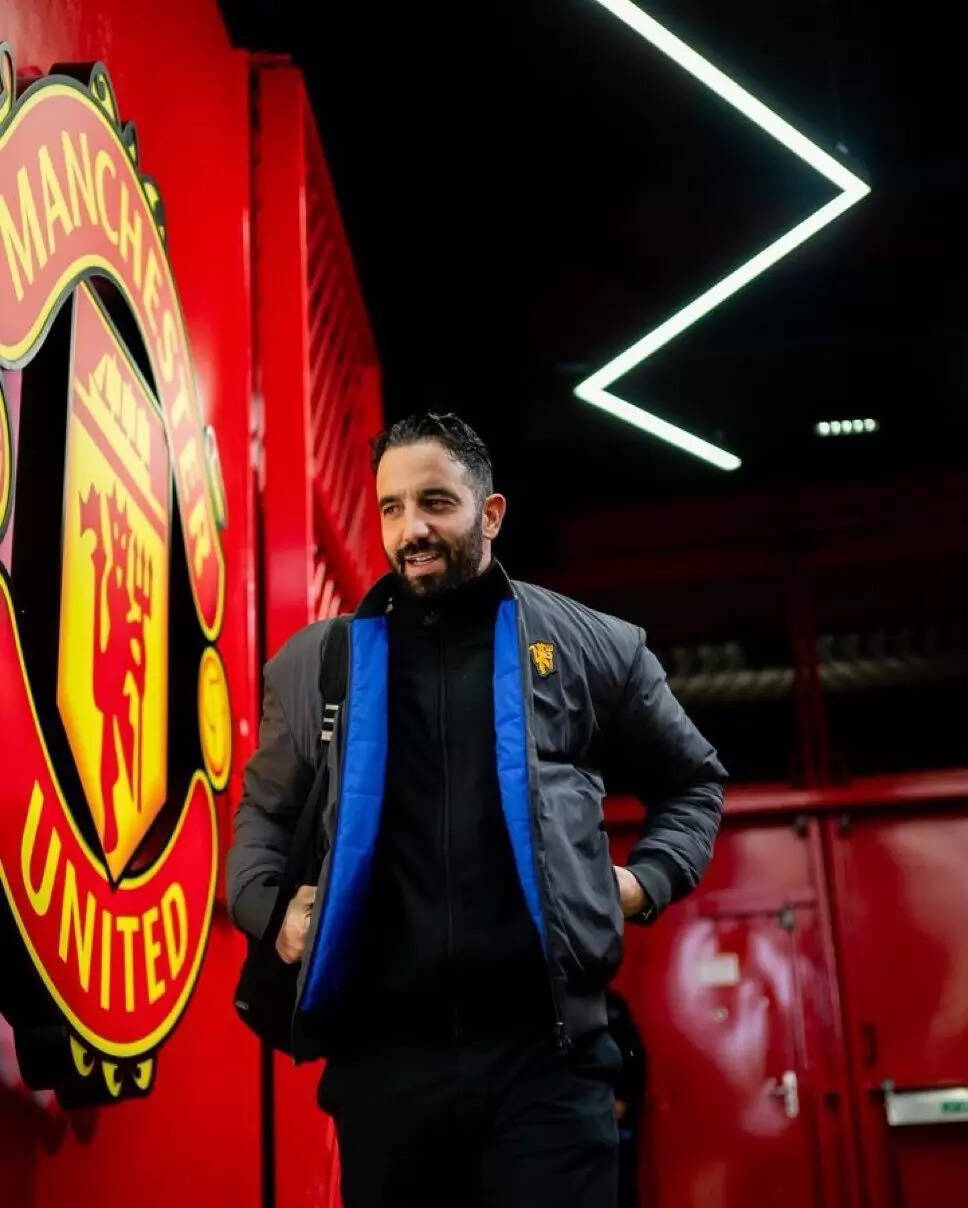
Amorim’s spell at Manchester United concluded following a 1-1 draw against Leeds United, a result that once again exposed the inconsistency and tactical uncertainty that plagued his time in the Premier League. According to reports, the club’s hierarchy felt a change was necessary as United continued to sit outside the league’s top tier and struggle to define a clear long-term footballing identity.
Appointed in November 2024 as the successor to Erik ten Hag, Amorim arrived with considerable expectations. He signed a contract running until June 2027 after an impressive stint at Sporting CP, where he won multiple domestic trophies and earned recognition as one of Europe’s most promising young managers.
However, his United era proved unstable from the outset. The team’s inconsistency in league fixtures, a mixed run in European competitions, and tactical questions particularly regarding formations like the 3-4-3 system failed to yield sustained success. United’s record during his tenure reflected a struggle to adapt, with only moderate numbers of wins compared to losses and draws.
Reports also indicated tension between Amorim and club executives, notably over transfer policy and squad control. Just prior to his dismissal, the coach publicly urged the recruitment department to “do their job,” pointing to frustrations with backing or lack thereof for his preferred transfers and tactical plans. This apparent power struggle with figures such as director of football Jason Wilcox contributed to the perception that the club lacked aligned vision.
Amorim’s own words demonstrated his internal conflict in the final days. In a press conference before his sacking, he emphasised that he saw himself as the “manager” rather than purely a coach, a distinction underscoring his desire for greater authority over team decisions. He strongly defended his commitment to the club and insisted he would remain until replaced, highlighting his frustration with external criticism and media narratives.
Analysts pointed to United’s sub-par away record and tactical shortcomings as key factors that eroded confidence in Amorim’s leadership. Throughout the season, pundits and former players including former United defender Gary Neville openly criticised the team’s style, substitutions and inconsistent results.
Amorim’s dismissal also reflects a wider pattern of managerial instability at Manchester United, a club still searching for sustained success since lifting their last Premier League title in 2013. Frequent changes in leadership have often exposed deeper structural and cultural issues within the organisation.
Following the sacking of Rúben Amorim, Manchester United are expected to appoint an interim manager while beginning the search for a permanent successor. Under minority owner Sir Jim Ratcliffe and CEO Omar Berrada, the club’s leadership is likely to prioritise a manager capable of restoring stability, rebuilding confidence and ensuring United can compete consistently at the highest level both domestically and in Europe.
Amorim’s departure marks a pivotal moment in Manchester United news, closing a chapter that began with optimism and ambition but ended in uncertainty and another managerial reset.
Amorim’s spell at Manchester United concluded following a 1-1 draw against Leeds United, a result that once again exposed the inconsistency and tactical uncertainty that plagued his time in the Premier League. According to reports, the club’s hierarchy felt a change was necessary as United continued to sit outside the league’s top tier and struggle to define a clear long-term footballing identity.
Appointed in November 2024 as the successor to Erik ten Hag, Amorim arrived with considerable expectations. He signed a contract running until June 2027 after an impressive stint at Sporting CP, where he won multiple domestic trophies and earned recognition as one of Europe’s most promising young managers.
However, his United era proved unstable from the outset. The team’s inconsistency in league fixtures, a mixed run in European competitions, and tactical questions particularly regarding formations like the 3-4-3 system failed to yield sustained success. United’s record during his tenure reflected a struggle to adapt, with only moderate numbers of wins compared to losses and draws.
Reports also indicated tension between Amorim and club executives, notably over transfer policy and squad control. Just prior to his dismissal, the coach publicly urged the recruitment department to “do their job,” pointing to frustrations with backing or lack thereof for his preferred transfers and tactical plans. This apparent power struggle with figures such as director of football Jason Wilcox contributed to the perception that the club lacked aligned vision.
Amorim’s own words demonstrated his internal conflict in the final days. In a press conference before his sacking, he emphasised that he saw himself as the “manager” rather than purely a coach, a distinction underscoring his desire for greater authority over team decisions. He strongly defended his commitment to the club and insisted he would remain until replaced, highlighting his frustration with external criticism and media narratives.
Analysts pointed to United’s sub-par away record and tactical shortcomings as key factors that eroded confidence in Amorim’s leadership. Throughout the season, pundits and former players including former United defender Gary Neville openly criticised the team’s style, substitutions and inconsistent results.
Amorim’s dismissal also reflects a wider pattern of managerial instability at Manchester United, a club still searching for sustained success since lifting their last Premier League title in 2013. Frequent changes in leadership have often exposed deeper structural and cultural issues within the organisation.
Following the sacking of Rúben Amorim, Manchester United are expected to appoint an interim manager while beginning the search for a permanent successor. Under minority owner Sir Jim Ratcliffe and CEO Omar Berrada, the club’s leadership is likely to prioritise a manager capable of restoring stability, rebuilding confidence and ensuring United can compete consistently at the highest level both domestically and in Europe.
Amorim’s departure marks a pivotal moment in Manchester United news, closing a chapter that began with optimism and ambition but ended in uncertainty and another managerial reset.
Next Story