
Shubman Gill Struggles Continue as He Fails Again, Scores 14 in Ranji Trophy

Indian cricket star and Test captain Shubman Gill once again found himself under the microscope after a disappointing outing in the 2025-26 Ranji Trophy, where he was dismissed for a modest 14 runs in the second innings of Punjab’s match against Saurashtra in Rajkot.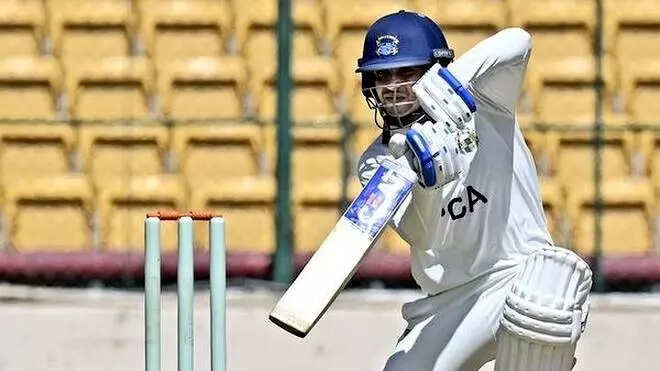
Gill’s recent return to India’s premier first-class competition was highly anticipated. With international commitments and a challenging phase in limited-overs formats behind him, domestic cricket offered a chance to regain form and confidence ahead of future fixtures. However, his low score has renewed concerns about his current rhythm with the bat. The Rajkot pitch, known to assist spinners, posed its own challenges, but Gill’s failure to build a meaningful innings will be a talking point among fans and pundits alike.
Earlier in the match, on Day 1, Gill had a particularly poor outing dismissed for a duck (zero) while chasing a target, contributing to Punjab’s collapse against disciplined spin bowling from the hosts. In the first innings of this encounter, Saurashtra posted 172, with contributions from their own batters. Despite a spirited bowling effort from Punjab, including a six-wicket haul from left-arm spinner Harpreet Brar, the batting line-up struggled to cope with the turn and bounce on display.
Coming into bat with the team in a fragile position, Gill was expected to steady the innings. Instead, he fell for 14 off 32 deliveries in the second innings, unable to convert his stay into a significant score. Across both innings, the result has highlighted vulnerabilities within the Punjab batting order and raised questions about the leadership and form of Gill in red-ball cricket at this juncture.
While one match does not define a player’s entire career, Gill’s recent pattern of low scores including dismissals for duck in his Ranji return has amplified discussions around his consistency. Especially as India’s captain in the Test and ODI formats, fans had hoped domestic performances would signal an upturn in form for Gill, who has shown flashes of brilliance in international cricket but has found sustained consistency elusive recently.
Gill’s struggles in domestic cricket occur against a backdrop of pressure from multiple fronts. Internationally, India recently suffered setbacks, including a historic bilateral ODI series loss at home against New Zealand, where Gill admitted the team “didn’t bat long enough,” reflecting broader batting issues at the top.
Analysts suggest that a combination of workload, captaincy pressures, and format switches may be affecting Gill’s overall performance. With commitments across Tests, ODIs, and domestic red-ball cricket, Gill’s schedule has been demanding, and the transition between formats has proven challenging for many players of his generation. Some voices within the cricket community have argued that more focused workload management might help restore his best form.
For Punjab, the match against Saurashtra remains crucial in the context of Ranji Trophy qualification and team morale. Teammates will need to contribute significantly if they are to overcome the visitors’ second-innings deficit and stay competitive in the Elite Group B standings, given that early batting collapses have placed them on the back foot.
Shubman Gill’s 14-run stint is a sobering reminder that even the most talented players can hit rough patches. The challenge now for him will be to answer critics with performances rather than talk starting with his next opportunity in domestic or international cricket.
Gill’s recent return to India’s premier first-class competition was highly anticipated. With international commitments and a challenging phase in limited-overs formats behind him, domestic cricket offered a chance to regain form and confidence ahead of future fixtures. However, his low score has renewed concerns about his current rhythm with the bat. The Rajkot pitch, known to assist spinners, posed its own challenges, but Gill’s failure to build a meaningful innings will be a talking point among fans and pundits alike.
Earlier in the match, on Day 1, Gill had a particularly poor outing dismissed for a duck (zero) while chasing a target, contributing to Punjab’s collapse against disciplined spin bowling from the hosts. In the first innings of this encounter, Saurashtra posted 172, with contributions from their own batters. Despite a spirited bowling effort from Punjab, including a six-wicket haul from left-arm spinner Harpreet Brar, the batting line-up struggled to cope with the turn and bounce on display.
Coming into bat with the team in a fragile position, Gill was expected to steady the innings. Instead, he fell for 14 off 32 deliveries in the second innings, unable to convert his stay into a significant score. Across both innings, the result has highlighted vulnerabilities within the Punjab batting order and raised questions about the leadership and form of Gill in red-ball cricket at this juncture.
While one match does not define a player’s entire career, Gill’s recent pattern of low scores including dismissals for duck in his Ranji return has amplified discussions around his consistency. Especially as India’s captain in the Test and ODI formats, fans had hoped domestic performances would signal an upturn in form for Gill, who has shown flashes of brilliance in international cricket but has found sustained consistency elusive recently.
Gill’s struggles in domestic cricket occur against a backdrop of pressure from multiple fronts. Internationally, India recently suffered setbacks, including a historic bilateral ODI series loss at home against New Zealand, where Gill admitted the team “didn’t bat long enough,” reflecting broader batting issues at the top.
Analysts suggest that a combination of workload, captaincy pressures, and format switches may be affecting Gill’s overall performance. With commitments across Tests, ODIs, and domestic red-ball cricket, Gill’s schedule has been demanding, and the transition between formats has proven challenging for many players of his generation. Some voices within the cricket community have argued that more focused workload management might help restore his best form.
For Punjab, the match against Saurashtra remains crucial in the context of Ranji Trophy qualification and team morale. Teammates will need to contribute significantly if they are to overcome the visitors’ second-innings deficit and stay competitive in the Elite Group B standings, given that early batting collapses have placed them on the back foot.
Shubman Gill’s 14-run stint is a sobering reminder that even the most talented players can hit rough patches. The challenge now for him will be to answer critics with performances rather than talk starting with his next opportunity in domestic or international cricket.
Next Story