
Shubman Gill Proposes 15-Day Preparation Camps to Boost India’s Test Cricket Performance

After India’s disappointing 2-0 Test series defeat to South Africa at home, Indian Test captain Shubman Gill has suggested a strategic shift aimed at improving the team’s performance in the longest format of the game. Gill has reportedly recommended to the Board of Control for Cricket in India (BCCI) that the Indian Test team should hold 15-day preparation camps before every Test series to enhance readiness, build player cohesion, and ensure a smoother transition from limited-overs formats to red-ball cricket.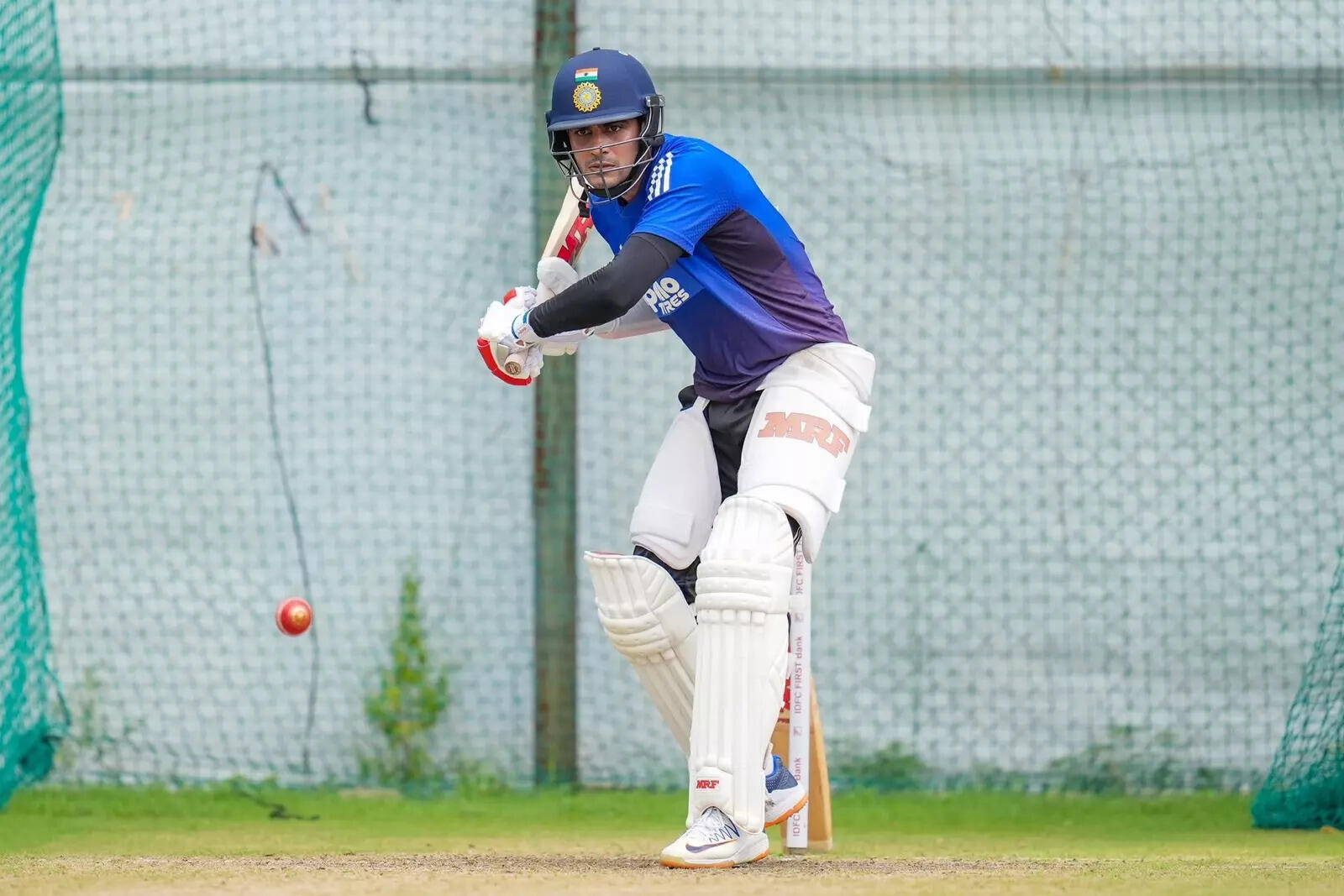
The proposal, emerging in the wake of India’s home whitewash - the second in about a year following a series loss to New Zealand - highlights growing concern that the current calendar and preparation routines do not provide adequate time for players to adjust mentally and physically.
In recent seasons, India’s transition from T20s and ODIs into Test cricket has often been abrupt, with just a few days between series. This lack of preparation time has been cited by Gill and other team members as a key factor behind inconsistent performances in the red-ball format.
Gill’s recommendation reflects his belief that longer, focused training camps would help players gear up effectively for the rigours of Test cricket, a format that demands not only technical skills but also physical endurance and sharp team understanding. Having to juggle between formats and adapt quickly to diverse conditions has become a challenge, especially with India’s packed international schedule.
Gill’s recommendation reflects his belief that longer, focused training camps would help players prepare more effectively for the demands of Test cricket, a format that requires not just technical excellence but also physical endurance and strong team understanding. Constantly juggling formats and adapting quickly to varying conditions has become increasingly challenging, especially given India’s tightly packed international schedule.
While the concept has merit, real-world execution may be complex. India’s schedule over the past year has been extremely busy, with back-to-back series across formats. For instance, players returned from the Asia Cup and almost immediately joined the Test squad to face the
West Indies, leaving little rest or preparation time. Similarly, transition from Australian white-ball cricket to a Test series against South Africa was abrupt, contributing to player fatigue and lack of optimal readiness.
However, BCCI officials are reportedly receptive to Gill’s vision and open to giving the Test captain a greater role in team preparation and long-term planning. Informal discussions between the board, selectors, and the leadership group are understood to have taken place following the South Africa series, with a focus on strengthening performance structures in Indian Test cricket.
One practical solution under consideration is better utilisation of facilities at the BCCI Centre of Excellence (CoE). Senior personnel such as VVS Laxman, Head of Cricket at the CoE, could oversee red-ball preparation camps even when the main coaching staff is engaged with white-ball teams. This model could help manage the crowded calendar while ensuring that Test cricket receives the focused attention it demands.
Gill’s push for 15-day preparation camps also highlights his evolving leadership style, as he asserts a clear vision for the future of the Indian Test team while prioritising excellence in the longest format. His proactive approach may signal a broader shift towards greater strategic involvement by captains in planning and preparation - a move that could benefit Indian cricket in Test matches over the coming years.
The proposal, emerging in the wake of India’s home whitewash - the second in about a year following a series loss to New Zealand - highlights growing concern that the current calendar and preparation routines do not provide adequate time for players to adjust mentally and physically.
In recent seasons, India’s transition from T20s and ODIs into Test cricket has often been abrupt, with just a few days between series. This lack of preparation time has been cited by Gill and other team members as a key factor behind inconsistent performances in the red-ball format.
Gill’s recommendation reflects his belief that longer, focused training camps would help players gear up effectively for the rigours of Test cricket, a format that demands not only technical skills but also physical endurance and sharp team understanding. Having to juggle between formats and adapt quickly to diverse conditions has become a challenge, especially with India’s packed international schedule.
Gill’s recommendation reflects his belief that longer, focused training camps would help players prepare more effectively for the demands of Test cricket, a format that requires not just technical excellence but also physical endurance and strong team understanding. Constantly juggling formats and adapting quickly to varying conditions has become increasingly challenging, especially given India’s tightly packed international schedule.
While the concept has merit, real-world execution may be complex. India’s schedule over the past year has been extremely busy, with back-to-back series across formats. For instance, players returned from the Asia Cup and almost immediately joined the Test squad to face the
West Indies, leaving little rest or preparation time. Similarly, transition from Australian white-ball cricket to a Test series against South Africa was abrupt, contributing to player fatigue and lack of optimal readiness.
However, BCCI officials are reportedly receptive to Gill’s vision and open to giving the Test captain a greater role in team preparation and long-term planning. Informal discussions between the board, selectors, and the leadership group are understood to have taken place following the South Africa series, with a focus on strengthening performance structures in Indian Test cricket.
One practical solution under consideration is better utilisation of facilities at the BCCI Centre of Excellence (CoE). Senior personnel such as VVS Laxman, Head of Cricket at the CoE, could oversee red-ball preparation camps even when the main coaching staff is engaged with white-ball teams. This model could help manage the crowded calendar while ensuring that Test cricket receives the focused attention it demands.
Gill’s push for 15-day preparation camps also highlights his evolving leadership style, as he asserts a clear vision for the future of the Indian Test team while prioritising excellence in the longest format. His proactive approach may signal a broader shift towards greater strategic involvement by captains in planning and preparation - a move that could benefit Indian cricket in Test matches over the coming years.
Next Story