
Rahul Dravid’s Bold Assessment of Shubman Gill After India’s Test Struggles vs South Africa

Former India head coach and legendary batter Rahul Dravid offered an insightful and unfiltered analysis of India’s recent Test struggles during the 2025 home series against South Africa, suggesting that captain Shubman Gill has been learning “how difficult it is” to succeed consistently in the longest format of the game. Dravid’s comments came in the context of India’s challenges with preparation, workload, and adapting to the evolving demands of red-ball cricket.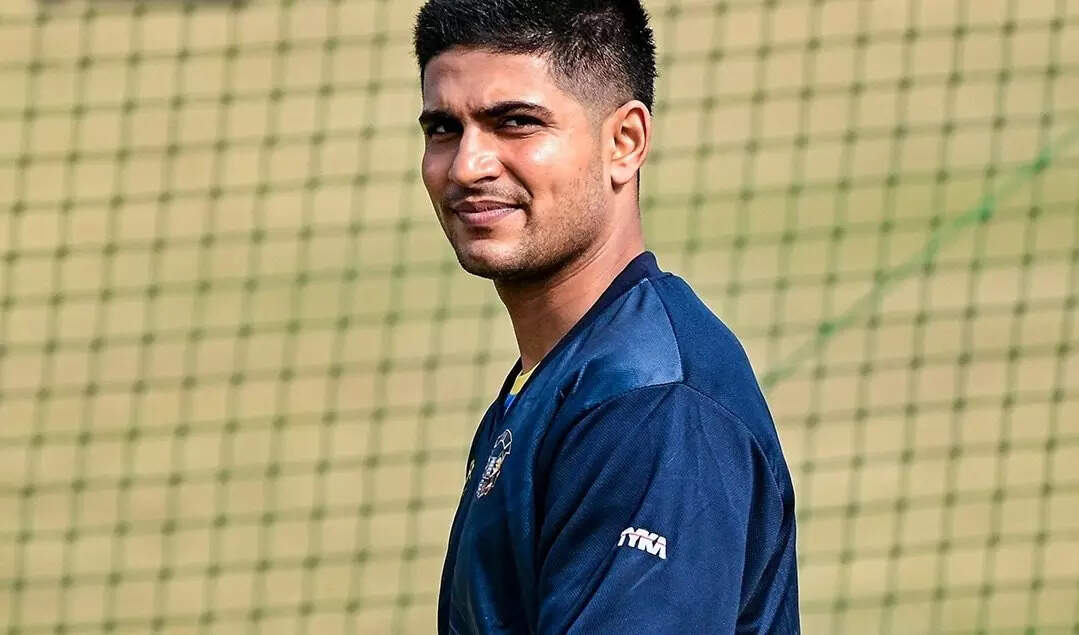
India’s two-match Test series against South Africa in late 2025 was marked by mixed results and some setbacks, including the early injury to Gill that forced him to retire hurt during the first Test in Kolkata. India ultimately lost that match, a result influenced heavily by Gill’s absence and South Africa’s strong bowling display.
Dravid, known for his cerebral approach to cricket and development of leadership, highlighted that the hectic international calendar with Test commitments sandwiched between limited-overs series left little time for focused preparation. This, he suggested, exposed the difficulty of leading a team through complex tactical and physical demands while also scoring runs and strategising under pressure.
Shubman Gill’s journey to Test leadership has been rapid. After retiring Indian stalwarts Virat Kohli and Rohit Sharma from Test cricket, the 25-year-old was entrusted with the captaincy, reflecting confidence in his batting acumen and temperament. However, the rigours of leadership, especially in Tests, are starkly different from shorter formats and Gill’s recent experiences have underscored that reality.
The crux of Dravid’s remark is that performance in Test cricket is not merely about individual talent, but also about understanding game management, patience, and adaptability over five days. This extends beyond technical skill; it encompasses psychological resilience, team strategy and workload balancing. For a young captain still growing into leadership roles across formats, this transition is inherently demanding.
India’s series against South Africa exposed a few of these challenges. Gill’s neck injury in the first Test not only deprived India of crucial runs but also disrupted team continuity. His subsequent absence saw vice-captain Rishabh Pant stepping in, highlighting the dependency on Gill’s batting and leadership presence.
Moreover, Dravid’s observations about limited preparation time reflect a wider concern for Indian cricket: the crowded international schedule leaves little room for focused preparation, especially for red-ball tours. Players like Gill, Gill’s leadership tenure has thus become a learning curve in managing fitness, form, and team dynamics under intense scrutiny.
While critics may view some of these remarks as a critique of Gill’s leadership, Dravid’s perspective is grounded in mentorship. His emphasis was less about criticism and more about acknowledging the complexity of Test cricket’s demands. For Gill, these experiences, even the setbacks contribute to his evolution as a leader capable of navigating pressure, strategy, and expectations.
As Indian cricket looks ahead to future Test challenges including overseas tours that traditionally test technique and mentality, Gill’s growth will be pivotal. Dravid’s insights serve as a reminder that mastery in Test cricket remains one of the game’s most enduring tests, blending individual excellence with collective resilience.
India’s two-match Test series against South Africa in late 2025 was marked by mixed results and some setbacks, including the early injury to Gill that forced him to retire hurt during the first Test in Kolkata. India ultimately lost that match, a result influenced heavily by Gill’s absence and South Africa’s strong bowling display.
Dravid, known for his cerebral approach to cricket and development of leadership, highlighted that the hectic international calendar with Test commitments sandwiched between limited-overs series left little time for focused preparation. This, he suggested, exposed the difficulty of leading a team through complex tactical and physical demands while also scoring runs and strategising under pressure.
Shubman Gill’s journey to Test leadership has been rapid. After retiring Indian stalwarts Virat Kohli and Rohit Sharma from Test cricket, the 25-year-old was entrusted with the captaincy, reflecting confidence in his batting acumen and temperament. However, the rigours of leadership, especially in Tests, are starkly different from shorter formats and Gill’s recent experiences have underscored that reality.
The crux of Dravid’s remark is that performance in Test cricket is not merely about individual talent, but also about understanding game management, patience, and adaptability over five days. This extends beyond technical skill; it encompasses psychological resilience, team strategy and workload balancing. For a young captain still growing into leadership roles across formats, this transition is inherently demanding.
You may also like
- India, EU working to make FTA operational at earliest
 Kerala Cabinet approves Thiruvananthapuram–Kasaragod RRTS corridor
- Nitin Nabin slams Trinamool government over 'infiltration'
 Opposition's uproar in Parliament sparks outrage; BJP chief Nitin Nabin demands apology
- Easy Home Finance Nets $30 Mn To Streamline Home Loans
India’s series against South Africa exposed a few of these challenges. Gill’s neck injury in the first Test not only deprived India of crucial runs but also disrupted team continuity. His subsequent absence saw vice-captain Rishabh Pant stepping in, highlighting the dependency on Gill’s batting and leadership presence.
Moreover, Dravid’s observations about limited preparation time reflect a wider concern for Indian cricket: the crowded international schedule leaves little room for focused preparation, especially for red-ball tours. Players like Gill, Gill’s leadership tenure has thus become a learning curve in managing fitness, form, and team dynamics under intense scrutiny.
While critics may view some of these remarks as a critique of Gill’s leadership, Dravid’s perspective is grounded in mentorship. His emphasis was less about criticism and more about acknowledging the complexity of Test cricket’s demands. For Gill, these experiences, even the setbacks contribute to his evolution as a leader capable of navigating pressure, strategy, and expectations.
As Indian cricket looks ahead to future Test challenges including overseas tours that traditionally test technique and mentality, Gill’s growth will be pivotal. Dravid’s insights serve as a reminder that mastery in Test cricket remains one of the game’s most enduring tests, blending individual excellence with collective resilience.






More from our partners


Loving Newspoint? Download the app now
