
Swami Vivekananda’s Birth Anniversary: Remembering His Seven-wicket Feat At Eden Gardens

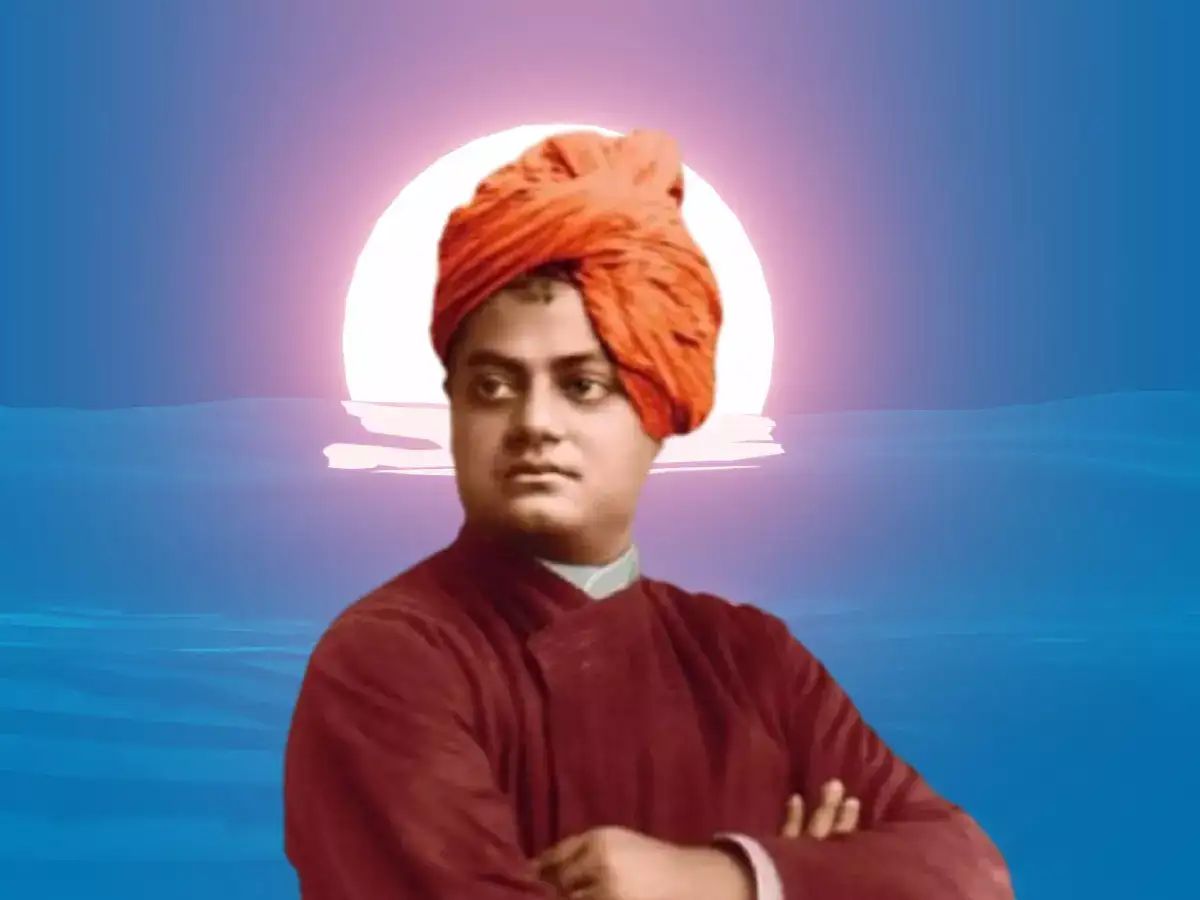
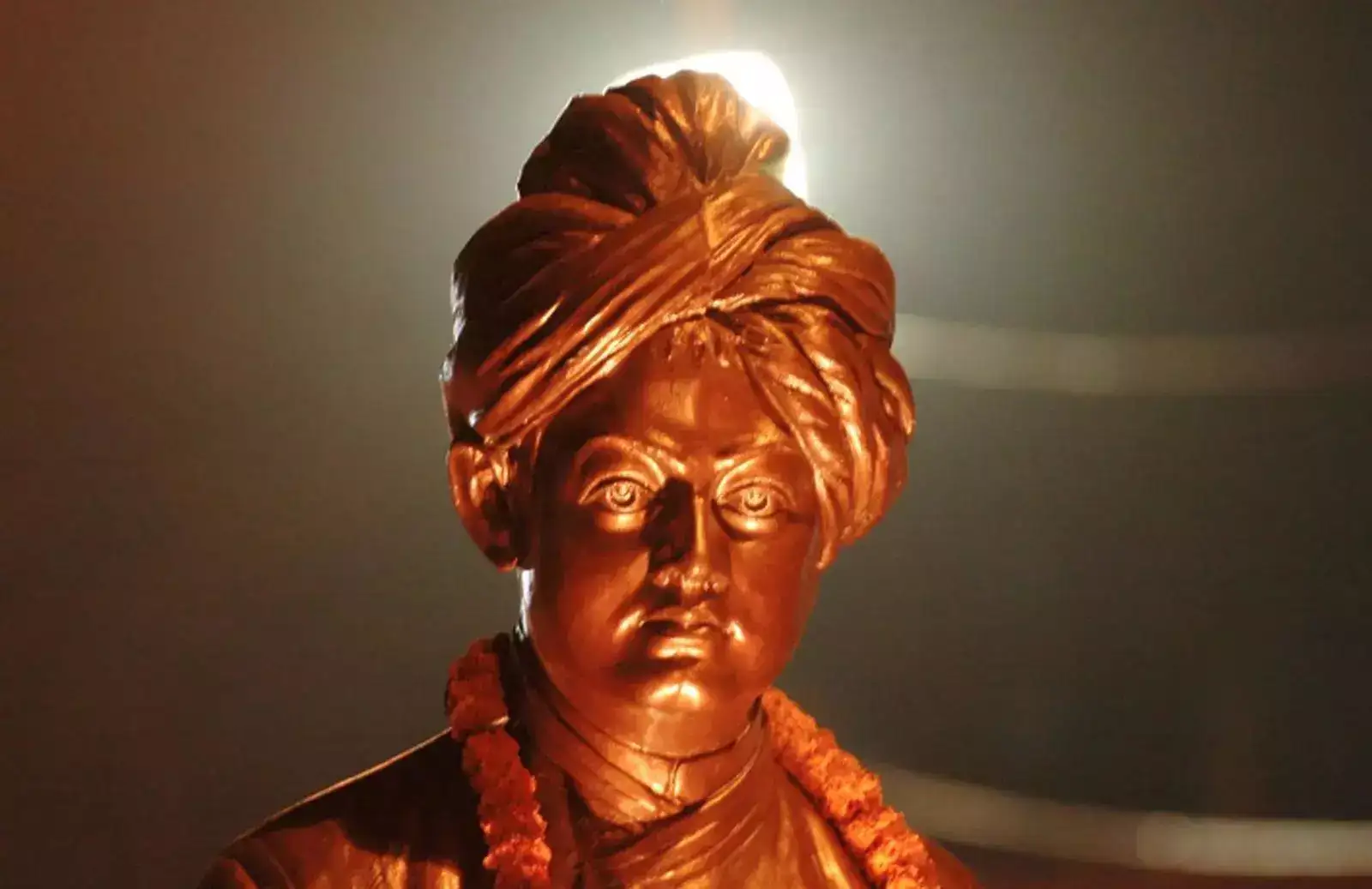
In the mid-1880s, when Eden Gardens was still in its formative decades, a modest club match quietly revealed how deeply sport had begun to shape Kolkata’s social life. Playing for Town Club, a young Narendranath Datta claimed seven wickets against Calcutta Cricket Club. He would soon step away from the game and re-emerge on the world stage as Swami Vivekananda. That brief cricketing episode now stands as a telling reminder of how sport, physical culture and self-expression intersected during the early years of cricket in colonial India.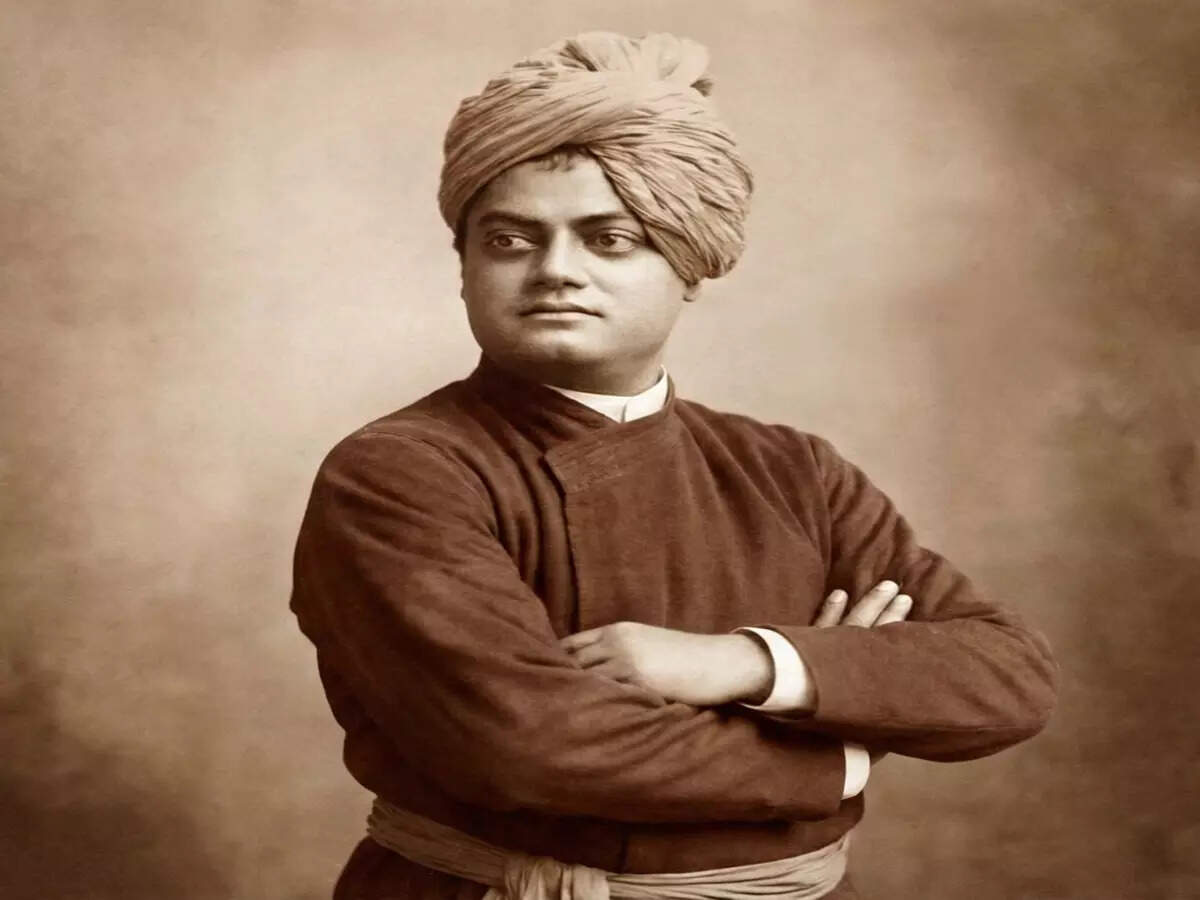
This was not merely about winning matches. Participation itself carried meaning. Educated Indians, professionals and students viewed cricket as a space to demonstrate discipline, skill and equality. Figures such as Saradaranjan Ray, a respected academic and organiser, played an important role in structuring the game and encouraging wider participation among Bengalis.
Even in these early days, Narendranath Datta was an active and enthusiastic sportsman. He not only bowled effectively but also participated in football and other physical activities, often encouraging his friends to stay fit. His involvement reflected the spirit of the time, when sport was more than a game—it was a way to build energy, discipline, and camaraderie, qualities that would later shape his approach to life and his wider mission.
These clubs created a vibrant sporting ecosystem. British-backed institutions coexisted with Bengali-founded clubs, each contributing to regular competition and organised leagues. Long before cricket reached mass audiences through major tournaments, these clubs ensured the game became part of everyday urban life.
Coaching and mentorship were central to this development. Individuals like Oomesh Majumdar, widely remembered for his work across sports, helped identify and nurture talent. These efforts laid the groundwork for Bengal’s early presence in competitive cricket.
While a few clubs remain competitive due to individual backing, the overall financial model is fragile. Grants cover only basic needs, forcing administrators to rely on personal contributions. The gap between legacy and sustainability continues to widen.
As modern cricket grows increasingly commercial, the survival of these institutions raises important questions about heritage and continuity. Their story is not just about decline, but about foundations that shaped the sport long before stadium lights and sponsorships took over.
Cricket As A Mirror Of Colonial Society
Cricket in late 19th-century Calcutta reflected the city’s layered social order. Calcutta Cricket Club, founded in 1792, was firmly associated with the British establishment and symbolised colonial authority on the field. In contrast, Town Club, established in 1884 by Bengalis, represented a growing desire to compete within the same sporting framework.This was not merely about winning matches. Participation itself carried meaning. Educated Indians, professionals and students viewed cricket as a space to demonstrate discipline, skill and equality. Figures such as Saradaranjan Ray, a respected academic and organiser, played an important role in structuring the game and encouraging wider participation among Bengalis.
Even in these early days, Narendranath Datta was an active and enthusiastic sportsman. He not only bowled effectively but also participated in football and other physical activities, often encouraging his friends to stay fit. His involvement reflected the spirit of the time, when sport was more than a game—it was a way to build energy, discipline, and camaraderie, qualities that would later shape his approach to life and his wider mission.
The Maidan And The Expansion Of Club Cricket
As interest grew, the Maidan emerged as the epicentre of organised sport in the city. By the early decades of the 20th century, dozens of cricket clubs operated from this vast green expanse. Most functioned out of simple wooden structures known locally as ]tents', built on small plots where permanent construction was prohibited.These clubs created a vibrant sporting ecosystem. British-backed institutions coexisted with Bengali-founded clubs, each contributing to regular competition and organised leagues. Long before cricket reached mass audiences through major tournaments, these clubs ensured the game became part of everyday urban life.
Building Players And A Distinct Sporting Ethos
Several of Bengal’s earliest top-level cricketers emerged from this club culture. The emphasis on fitness, fast bowling and stamina reflected a broader fascination with physical strength during the period. Cricket, football, wrestling and gymnastics often overlapped, shaping a generation that valued athletic discipline.Coaching and mentorship were central to this development. Individuals like Oomesh Majumdar, widely remembered for his work across sports, helped identify and nurture talent. These efforts laid the groundwork for Bengal’s early presence in competitive cricket.
A Legacy Under Financial Strain
Today, many of these historic clubs face uncertain futures. Town Club, once a symbol of sporting assertion, now struggles with ageing infrastructure and limited resources. Similar conditions are visible across the Maidan, where numerous tents show signs of neglect.While a few clubs remain competitive due to individual backing, the overall financial model is fragile. Grants cover only basic needs, forcing administrators to rely on personal contributions. The gap between legacy and sustainability continues to widen.
Preserving What Built The Game
Once central to the rise of cricket in Kolkata, many of these clubs now exist quietly on the margins. Their influence, however, remains undeniable. They introduced organised competition, nurtured early talent and embedded cricket into the city’s cultural fabric.As modern cricket grows increasingly commercial, the survival of these institutions raises important questions about heritage and continuity. Their story is not just about decline, but about foundations that shaped the sport long before stadium lights and sponsorships took over.
Next Story