
T20 World Cup 2026: Pakistan Boycott Threat Sparks Fierce Backlash and ICC Warning

The build-up to the ICC Men’s T20 World Cup 2026 has taken an explosive political turn, with former India pacer Atul Wassan urging the International Cricket Council (ICC) to kick Pakistan out of the tournament following the Pakistan Cricket Board’s (PCB) controversial boycott threat. The drama unfolds against the backdrop of Pakistan’s government announcement that, while the team will participate in the World Cup, it refuses to take the field against India in their Group A match scheduled for February 15 in Colombo, a venue chosen due to ongoing diplomatic tensions between the two nations.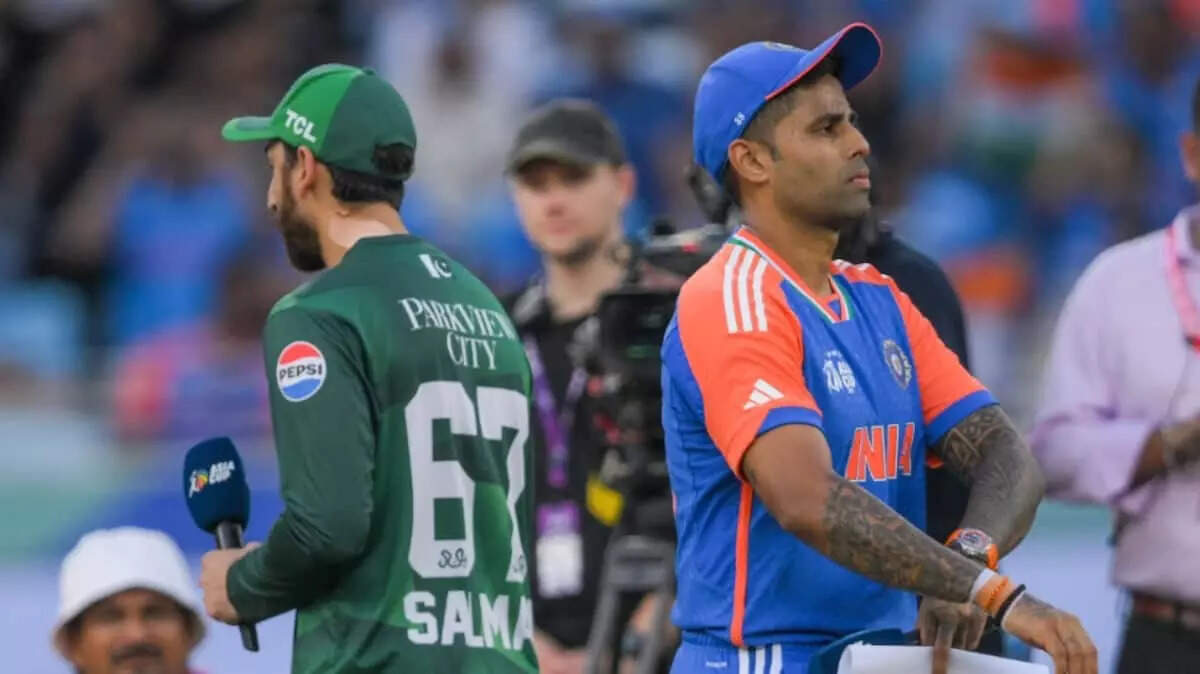
In a fiery reaction to Pakistan’s stance, Wassan declared that “Pakistan has troubled all cricket-playing nations,” adding that the ICC should “kick them out” of the tournament as a punitive measure. He argued that Pakistan’s selective participation would harm the integrity of global cricket and that it was high time the ICC set a precedent by taking decisive action.
Pakistan’s decision comes after weeks of friction between Islamabad and the global cricketing body. The immediate trigger was the ICC’s refusal to move Bangladesh’s matches out of India due to security concerns, resulting in Bangladesh withdrawing from the event and being replaced by Scotland, a move that Pakistan openly criticised as “double standards.”
The PCB later deferred the matter to the Government of Pakistan, which officially cleared the team’s participation in the tournament but stipulated that they would not play the marquee clash against India. This unprecedented declaration has sent shockwaves through the cricketing world.
The ICC has voiced serious concerns over Pakistan’s selective boycott, emphasising that all qualified teams are expected to compete under the same conditions and match schedules, a cornerstone of the integrity and fairness that underpins global sporting competitions. While respecting the role of governments in foreign policy, the ICC warned that the move could seriously damage the credibility and global appeal of the World Cup.
Cricket’s governing body has also stressed that an official communication from the PCB is awaited before any disciplinary action can be undertaken, leaving open the possibility of sanctions which may include financial penalties, points forfeits, or even broader exclusion from future ICC events. Such measures could have long-lasting implications for Pakistan cricket.
An India–Pakistan fixture in major ICC events traditionally ranks among the most watched in world sport, generating huge broadcasting revenue and stadium interest. Cancelling the match would not only disappoint millions of fans but could also cause significant financial losses for broadcasters and sponsors.
Former Pakistan captain Rashid Latif has described the controversy as far from over, suggesting that this standoff could resurface in other key ICC competitions beyond the 2026 World Cup, jeopardising future bilateral encounters and international cricketing relations.
This episode once again exposes the fragile intersection of sport and diplomacy. Political tensions between India and Pakistan which have prevented full bilateral series for over a decade now threaten to overshadow one of cricket’s premier events. While the PCB insists on solidarity with fellow boards like Bangladesh, critics argue that politicising sport undermines the spirit, unity, and commercial stability of cricket’s global calendar.
As the T20 World Cup prepares to get underway, stakeholders across the spectrum will be watching closely to see how the ICC navigates this unprecedented challenge. The world may soon find out whether the game’s governing body will prioritise sporting integrity over political pressure.
In a fiery reaction to Pakistan’s stance, Wassan declared that “Pakistan has troubled all cricket-playing nations,” adding that the ICC should “kick them out” of the tournament as a punitive measure. He argued that Pakistan’s selective participation would harm the integrity of global cricket and that it was high time the ICC set a precedent by taking decisive action.
Pakistan’s decision comes after weeks of friction between Islamabad and the global cricketing body. The immediate trigger was the ICC’s refusal to move Bangladesh’s matches out of India due to security concerns, resulting in Bangladesh withdrawing from the event and being replaced by Scotland, a move that Pakistan openly criticised as “double standards.”
The PCB later deferred the matter to the Government of Pakistan, which officially cleared the team’s participation in the tournament but stipulated that they would not play the marquee clash against India. This unprecedented declaration has sent shockwaves through the cricketing world.
The ICC has voiced serious concerns over Pakistan’s selective boycott, emphasising that all qualified teams are expected to compete under the same conditions and match schedules, a cornerstone of the integrity and fairness that underpins global sporting competitions. While respecting the role of governments in foreign policy, the ICC warned that the move could seriously damage the credibility and global appeal of the World Cup.
Cricket’s governing body has also stressed that an official communication from the PCB is awaited before any disciplinary action can be undertaken, leaving open the possibility of sanctions which may include financial penalties, points forfeits, or even broader exclusion from future ICC events. Such measures could have long-lasting implications for Pakistan cricket.
An India–Pakistan fixture in major ICC events traditionally ranks among the most watched in world sport, generating huge broadcasting revenue and stadium interest. Cancelling the match would not only disappoint millions of fans but could also cause significant financial losses for broadcasters and sponsors.
Former Pakistan captain Rashid Latif has described the controversy as far from over, suggesting that this standoff could resurface in other key ICC competitions beyond the 2026 World Cup, jeopardising future bilateral encounters and international cricketing relations.
This episode once again exposes the fragile intersection of sport and diplomacy. Political tensions between India and Pakistan which have prevented full bilateral series for over a decade now threaten to overshadow one of cricket’s premier events. While the PCB insists on solidarity with fellow boards like Bangladesh, critics argue that politicising sport undermines the spirit, unity, and commercial stability of cricket’s global calendar.
As the T20 World Cup prepares to get underway, stakeholders across the spectrum will be watching closely to see how the ICC navigates this unprecedented challenge. The world may soon find out whether the game’s governing body will prioritise sporting integrity over political pressure.
Next Story