
Usman Khawaja Slams Racial Stereotyping as He Retires From International Cricket

Veteran Australian batter Usman Khawaja, one of the most respected figures in international cricket, took a powerful stand against racial stereotyping in the sport as he announced his retirement from international cricket ahead of his final match against England in the Ashes series at the Sydney Cricket Ground (SCG). The 39-year-old left-hander, born in Pakistan and the first Muslim to represent Australia in Test cricket, used his retirement press conference to openly address how bias and perception shaped parts of his long and memorable career in Australian cricket.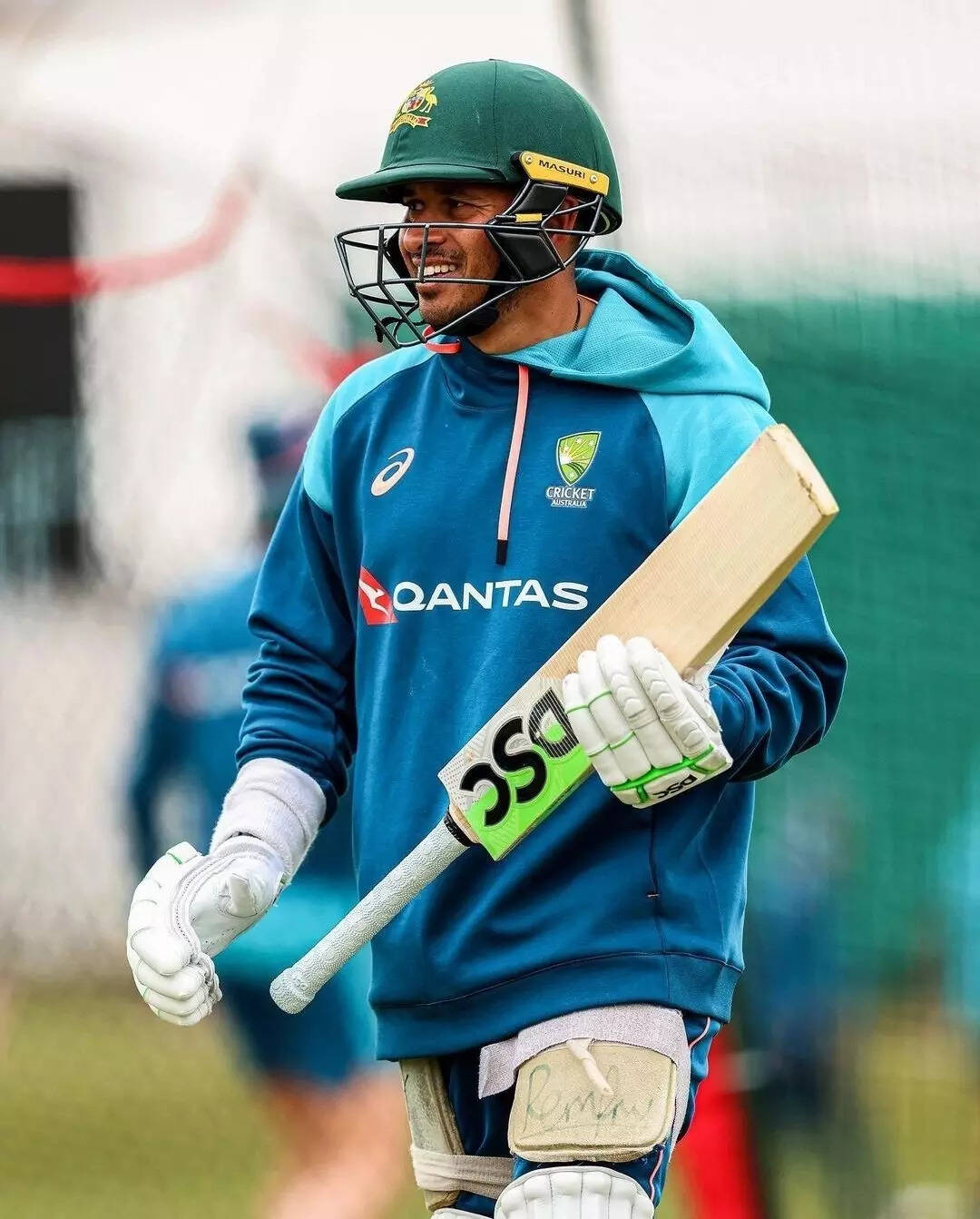
During an emotional and extended media interaction, Khawaja reflected on the criticism he faced earlier in the Ashes series, particularly after suffering back spasms that prevented him from opening in one Test. He explained that the scrutiny he received went far beyond on-field performance. According to Khawaja, commentators and former players questioned his commitment, preparation and work ethic in ways he believes were rooted in long-standing racial stereotypes rather than objective analysis. “Don’t gaslight me,” Khawaja said, clearly expressing his frustration with media narratives he felt were both unfair and racially charged.
Khawaja explained that the reaction to relatively minor incidents, such as a golf outing or the management of his injury, was significantly harsher than what other players typically faced in similar situations. He pointed out that several white teammates had missed matches due to injuries or leisure-related incidents without attracting the same level of personal criticism. For Khawaja, this was not an isolated episode but part of a broader pattern he had observed throughout his career at the highest level of cricket.
His remarks struck at the heart of an ongoing debate about diversity and inclusion in Australian sport. Khawaja’s journey has been historic not just for his achievements on the field over 6,000 Test runs with 16 centuries but also for what he represents off it: the breaking of barriers for players from minority backgrounds in a sport long dominated by Anglo-Australian narratives. His retirement statement served as both a personal reflection and a call to action for cricket to do better in how it discusses and treats players of different ethnicities and faiths.
Khawaja did not shy away from discussing the emotional toll of stereotypes linked to dedication, professionalism and identity - issues that extend beyond cricket into wider society. Despite repeatedly proving his commitment to the Australian team and making multiple comebacks from setbacks, he often felt judged differently because of who he is. At times, the criticism felt less about performance and more about ingrained assumptions that players from non-traditional backgrounds frequently encounter.
However, Khawaja’s message was not driven by grievance alone. It was also one of hope and responsibility. By speaking openly, he expressed a desire to make the path easier for future generations of cricketers who may feel different or marginalised. His hope is that the next player with a similar background will be judged purely on merit, without the weight of biased assumptions. His appeal for cricket to embrace genuine equality reflects a wider push within sport to not only accept diversity but actively champion it.
As Usman Khawaja officially draws the curtain on a remarkable Test career at the SCG - the same ground where he made his debut in 2011 - his legacy is set to endure not just through runs and records, but through this defining stand against racial stereotyping in cricket.
During an emotional and extended media interaction, Khawaja reflected on the criticism he faced earlier in the Ashes series, particularly after suffering back spasms that prevented him from opening in one Test. He explained that the scrutiny he received went far beyond on-field performance. According to Khawaja, commentators and former players questioned his commitment, preparation and work ethic in ways he believes were rooted in long-standing racial stereotypes rather than objective analysis. “Don’t gaslight me,” Khawaja said, clearly expressing his frustration with media narratives he felt were both unfair and racially charged.
Khawaja explained that the reaction to relatively minor incidents, such as a golf outing or the management of his injury, was significantly harsher than what other players typically faced in similar situations. He pointed out that several white teammates had missed matches due to injuries or leisure-related incidents without attracting the same level of personal criticism. For Khawaja, this was not an isolated episode but part of a broader pattern he had observed throughout his career at the highest level of cricket.
You may also like
 India equities expected to be resilient in 2026; autos, banks to outperform
 J-K: Army, SDRF continue to extinguish fire in Dachhan's Thachna village
 Gujarat: ED seizes assets worth over Rs 4.5 crore in stock market investment fraud case
 "Today's India respects traditions, honours its rich cultural heritage": Rajnath Singh
- Bangladesh's 2026 cricket plans unveiled amid Mustafizur-KKR row
His remarks struck at the heart of an ongoing debate about diversity and inclusion in Australian sport. Khawaja’s journey has been historic not just for his achievements on the field over 6,000 Test runs with 16 centuries but also for what he represents off it: the breaking of barriers for players from minority backgrounds in a sport long dominated by Anglo-Australian narratives. His retirement statement served as both a personal reflection and a call to action for cricket to do better in how it discusses and treats players of different ethnicities and faiths.
Khawaja did not shy away from discussing the emotional toll of stereotypes linked to dedication, professionalism and identity - issues that extend beyond cricket into wider society. Despite repeatedly proving his commitment to the Australian team and making multiple comebacks from setbacks, he often felt judged differently because of who he is. At times, the criticism felt less about performance and more about ingrained assumptions that players from non-traditional backgrounds frequently encounter.
However, Khawaja’s message was not driven by grievance alone. It was also one of hope and responsibility. By speaking openly, he expressed a desire to make the path easier for future generations of cricketers who may feel different or marginalised. His hope is that the next player with a similar background will be judged purely on merit, without the weight of biased assumptions. His appeal for cricket to embrace genuine equality reflects a wider push within sport to not only accept diversity but actively champion it.
As Usman Khawaja officially draws the curtain on a remarkable Test career at the SCG - the same ground where he made his debut in 2011 - his legacy is set to endure not just through runs and records, but through this defining stand against racial stereotyping in cricket.






More from our partners


Loving Newspoint? Download the app now
