
Winter Olympics 2026; How Olympic Ice Is Engineered For World Class Competition

The smooth, gleaming ice seen at global winter sporting events is far more complex than it appears. Known as Olympic ice, this specialised surface is engineered to meet strict international standards so athletes can perform at their peak. From insulation layers beneath the rink to resurfacing machines gliding across the top, every stage involves precision planning. As preparations intensify for the upcoming Winter Games, technicians and ice experts are working round the clock to ensure competition surfaces remain flawless, safe and sport specific.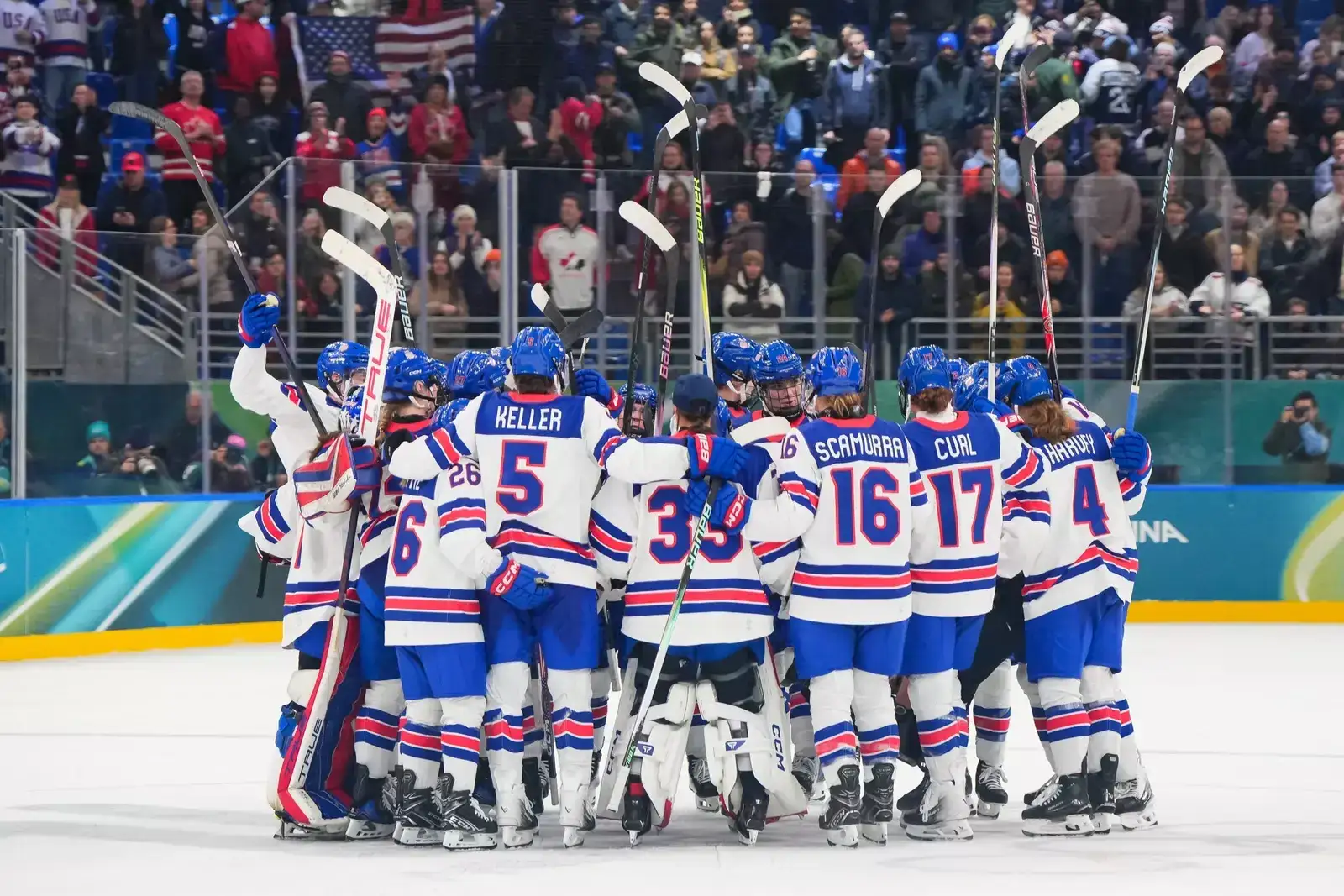
On top of this foundation, technicians place specialised mats filled with glycol, a cooling agent that circulates through pipes to maintain sub zero temperatures. Once the cooling system is operational, rink boards and protective glass walls are installed around the perimeter.
Water is then carefully layered above the matting. Around five centimetres is initially applied and frozen in stages to form solid sheets. The surface is painted white to improve visibility for athletes and spectators, after which sport specific markings and logos are embedded. A final three to four centimetres of water seals the rink, creating the finished playing field. Temperatures are typically maintained between minus five and minus four degrees Celsius.
Resurfacing machines, often referred to as Zambonis, are deployed regularly. These machines shave off the damaged top layer, collect ice shavings and lay down a fresh film of water that freezes into a smooth finish. This routine is critical during high intensity tournaments where repeated skating can quickly degrade the surface.
Experts involved in recent Olympic preparations noted that working with newly built or temporary venues presents additional challenges, particularly when timelines are tight and systems must operate flawlessly from day one.
Curling uses pebbled ice, created by spraying fine droplets of water that freeze into small bumps. This texture allows the curling stone to glide and curl predictably.
Ice hockey demands a much harder surface. Players need rapid acceleration and the ability to stop instantly, making firmness essential.
Long track speed skating requires the coldest and hardest ice of all. The surface must be extremely thin to minimise friction and maximise speed.
In contrast, figure skating needs slightly warmer, softer ice. This provides cushioning for jumps and landings. If the ice becomes too cold, it can fracture under impact, increasing injury risk.
Some Olympic venues host multiple disciplines, requiring technicians to modify ice conditions within hours. Transforming a rink from figure skating to short track speed skating, for instance, can take up to three hours of recalibration.
They also measure total dissolved solids. Excess levels can cause cloudy ice, while insufficient content may prevent proper bonding, making the surface brittle. Achieving the correct chemical balance ensures durability and visual perfection under arena lighting.
Sound vibrations, air movement and even resurfacer operation techniques can subtly reshape the ice. Technicians continuously adjust cooling systems and maintenance schedules to counter these influences.
With elite athletes competing at extraordinary speeds and precision, even minor surface variations can affect outcomes. That is why ice monitoring continues throughout every event session.
This shift demands advanced engineering, rapid installation and flawless ice calibration on a scale rarely attempted before. Ice masters must adapt quickly, ensuring world class standards despite limited preparation windows.
As winter sports continue to evolve, so too does the science behind Olympic ice. What appears to be a simple frozen surface is, in reality, a highly controlled environment shaped by engineering, chemistry and constant human expertise.
Image Courtesy: X (formerly Twitter)/ @usahockey
Building The Ice From The Ground Up
Creating Olympic ice begins long before water is frozen. Engineers first install roughly five centimetres of insulation across the concrete base of the arena. This layer prevents heat from rising and destabilising the surface. A vapour barrier is then added to stop moisture from interfering with ice formation.On top of this foundation, technicians place specialised mats filled with glycol, a cooling agent that circulates through pipes to maintain sub zero temperatures. Once the cooling system is operational, rink boards and protective glass walls are installed around the perimeter.
Water is then carefully layered above the matting. Around five centimetres is initially applied and frozen in stages to form solid sheets. The surface is painted white to improve visibility for athletes and spectators, after which sport specific markings and logos are embedded. A final three to four centimetres of water seals the rink, creating the finished playing field. Temperatures are typically maintained between minus five and minus four degrees Celsius.
Role Of Ice Masters And Maintenance Teams
Highly skilled technicians known as ice masters oversee the entire process. Their responsibility extends beyond construction to daily maintenance throughout competitions. They constantly monitor ice thickness, temperature stability and surface texture to ensure optimal performance conditions.Resurfacing machines, often referred to as Zambonis, are deployed regularly. These machines shave off the damaged top layer, collect ice shavings and lay down a fresh film of water that freezes into a smooth finish. This routine is critical during high intensity tournaments where repeated skating can quickly degrade the surface.
Experts involved in recent Olympic preparations noted that working with newly built or temporary venues presents additional challenges, particularly when timelines are tight and systems must operate flawlessly from day one.
Why Different Sports Need Different Ice
Not all Olympic ice is the same. Each winter sport requires a customised surface tailored to performance demands.Curling uses pebbled ice, created by spraying fine droplets of water that freeze into small bumps. This texture allows the curling stone to glide and curl predictably.
Ice hockey demands a much harder surface. Players need rapid acceleration and the ability to stop instantly, making firmness essential.
Long track speed skating requires the coldest and hardest ice of all. The surface must be extremely thin to minimise friction and maximise speed.
In contrast, figure skating needs slightly warmer, softer ice. This provides cushioning for jumps and landings. If the ice becomes too cold, it can fracture under impact, increasing injury risk.
Some Olympic venues host multiple disciplines, requiring technicians to modify ice conditions within hours. Transforming a rink from figure skating to short track speed skating, for instance, can take up to three hours of recalibration.
Water Quality And Ice Purity
The quality of water used is another crucial factor. Ice masters analyse pH levels and remove impurities before freezing begins. Minerals and organic matter are filtered out to maintain clarity and structural integrity.You may also like
- Alliance with Congress intact: M K Stalin
- India vs Pakistan T20 WC clash has sent fares from Delhi, Mumbai flying past the Rs 1 lakh mark
 'Fake and fraudulent': BJP attacks Rahul Gandhi amid Naravane book row
- 'A true Bengaluru hero': Man reveals cab driver didn't just find his bag but....
- If compliance is satisfactory, cricket matches will be allowed at Chinnaswamy Stadium: K'taka HM
They also measure total dissolved solids. Excess levels can cause cloudy ice, while insufficient content may prevent proper bonding, making the surface brittle. Achieving the correct chemical balance ensures durability and visual perfection under arena lighting.
External Factors That Influence Ice Conditions
Even after meticulous preparation, external elements can alter ice performance. Arena temperature, humidity levels and airflow all play a role. Lighting systems generate heat, while packed spectator stands can raise ambient temperatures.Sound vibrations, air movement and even resurfacer operation techniques can subtly reshape the ice. Technicians continuously adjust cooling systems and maintenance schedules to counter these influences.
With elite athletes competing at extraordinary speeds and precision, even minor surface variations can affect outcomes. That is why ice monitoring continues throughout every event session.
Temporary Venues And New Engineering Challenges
Recent Winter Games preparations have also highlighted the growing use of temporary arenas. Some speed skating events are now staged in venues constructed specifically for the Games rather than permanent facilities.This shift demands advanced engineering, rapid installation and flawless ice calibration on a scale rarely attempted before. Ice masters must adapt quickly, ensuring world class standards despite limited preparation windows.
As winter sports continue to evolve, so too does the science behind Olympic ice. What appears to be a simple frozen surface is, in reality, a highly controlled environment shaped by engineering, chemistry and constant human expertise.
Image Courtesy: X (formerly Twitter)/ @usahockey






More from our partners


Loving Newspoint? Download the app now
