
Apple Names John Ternus as Next CEO: What It Signals for the Tech Giant

In a move that signals both continuity and calculated evolution, Apple Inc. has named John Ternus as its next Chief Executive Officer. The decision comes at a critical juncture for the Cupertino-based company, as it navigates slowing smartphone growth, rising competition in artificial intelligence , and the need to redefine its next decade of innovation.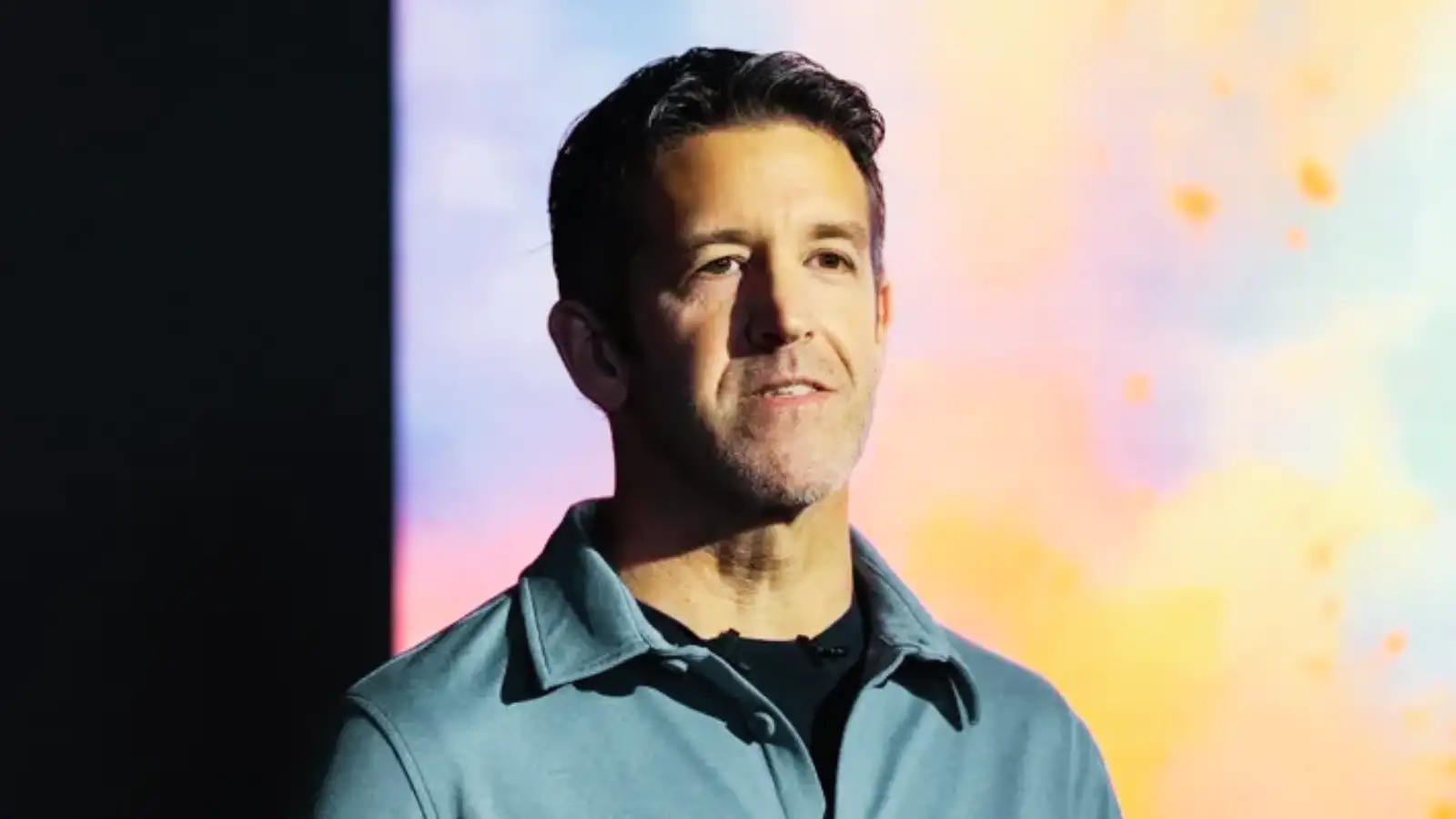
Ternus, currently serving as Apple’s Senior Vice President of Hardware Engineering, has long been considered one of the company’s most influential behind-the-scenes leaders. His elevation to CEO reflects Apple’s preference for steady internal succession—echoing the transition from Steve Jobs to Tim Cook in 2011.
John Ternus is not a new face within Apple’s leadership circle. Having joined the company in 2001, he has played a pivotal role in shaping some of Apple’s most iconic products, including the Mac lineup and iPad innovations. Over the years, he has earned a reputation for being deeply involved in product development , with a strong focus on performance, design precision, and hardware-software integration.
His leadership style is often described as low-profile but highly effective aligned with Apple’s culture of secrecy and disciplined execution. Unlike more publicly visible executives, Ternus has largely remained in the background, letting products speak for themselves.
His appointment suggests that Apple is doubling down on its engineering-first philosophy at a time when the tech industry is increasingly being driven by software ecosystems and AI capabilities.
Apple’s choice of Ternus indicates a clear preference for stability rather than radical change. Under Tim Cook, the company has transformed into a services powerhouse, expanding beyond hardware into subscriptions, payments, and digital ecosystems. By choosing an internal successor, Apple ensures that its core strategy remains intact.
This continuity is especially important given Apple’s massive global footprint and deeply integrated ecosystem. Any abrupt shift in leadership direction could disrupt not just product pipelines but also investor confidence and supply chain operations.
Ternus is expected to maintain Apple’s disciplined approach to product launches, operational efficiency, and premium brand positioning. However, he will also face mounting pressure to push Apple into new technological frontiers.
Perhaps the biggest challenge awaiting Ternus is Apple’s position in the rapidly evolving artificial intelligence race. Competitors like Google and Microsoft have aggressively integrated AI into their products and platforms, setting new benchmarks for innovation.
Apple, on the other hand, has taken a more cautious approach,prioritizing privacy and on-device processing over cloud-based AI expansion. While this aligns with its brand values, it has also led to perceptions that Apple is lagging behind in generative AI.
As CEO, Ternus will need to strike a delicate balance: accelerating AI development without compromising Apple’s commitment to user privacy and seamless user experience. His background in hardware could play a crucial role here, especially in advancing on-device AI capabilities powered by Apple silicon.
Ternus’s appointment underscores the continued importance of hardware in Apple’s business model. While services have grown significantly, devices like the iPhone, Mac, and iPad remain the company’s primary revenue drivers.
With Ternus at the helm, Apple is likely to place renewed emphasis on breakthrough hardware innovation whether through augmented reality devices, next-generation chips, or entirely new product categories.
The company’s recent push into spatial computing and wearable technology could gain further momentum under his leadership. Ternus’s engineering expertise positions him well to oversee complex product development cycles and ensure that Apple maintains its reputation for industry-leading design and performance.
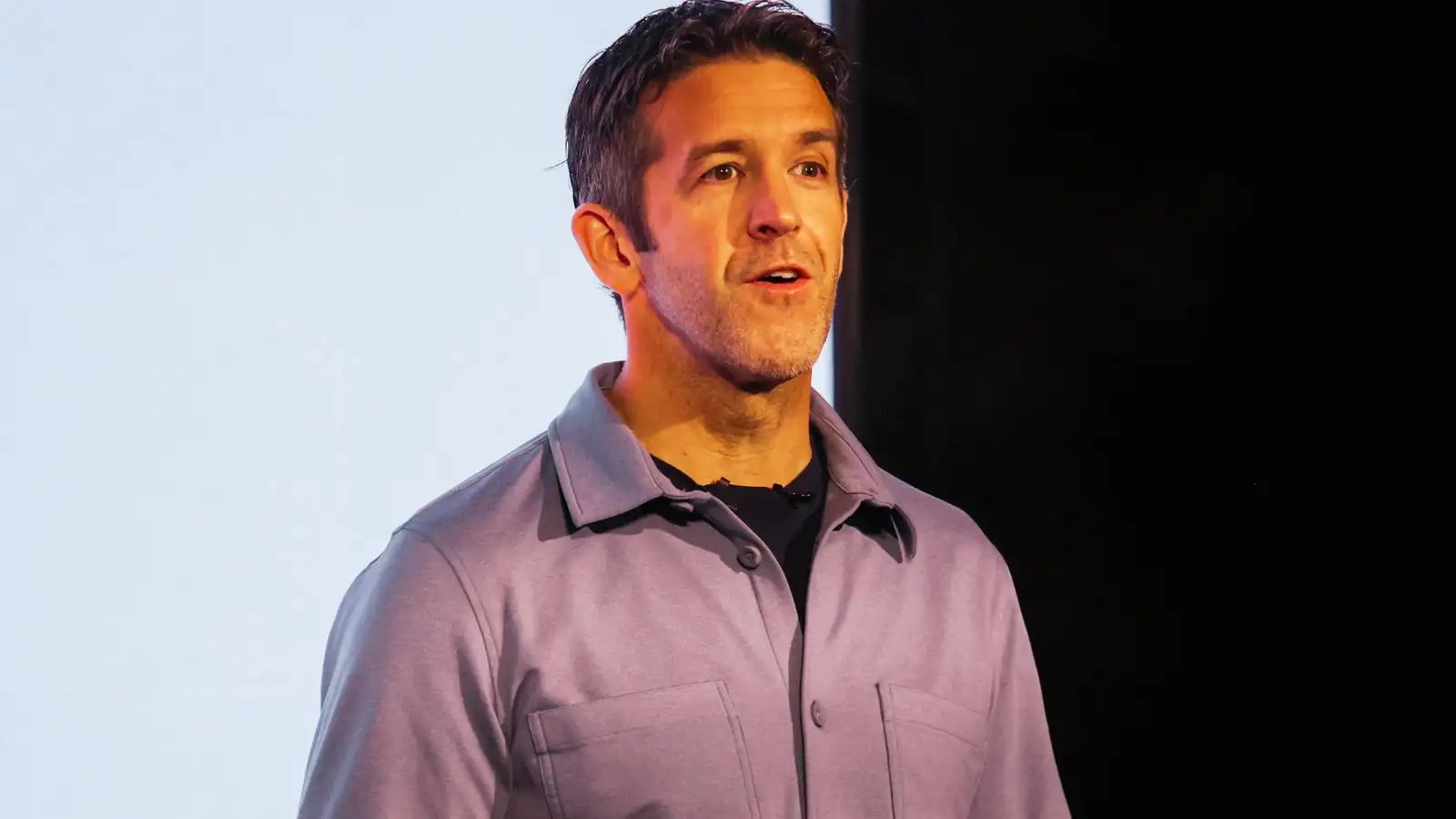
One of Ternus’s biggest strengths is his alignment with Apple’s internal culture. Known for his collaborative approach and attention to detail, he embodies the company’s ethos of quiet excellence.
Unlike charismatic visionaries such as Steve Jobs, or operational strategists like Tim Cook, Ternus represents a more engineering-driven leadership model. This could redefine how Apple communicates its vision of placing greater emphasis on product innovation rather than personality-driven narratives.
His relatively low public profile may also allow Apple to maintain its brand-centric communication strategy, where the focus remains on products rather than individuals.
The transition to John Ternus marks a significant milestone for Apple as it prepares for its next phase of growth. The company stands at the intersection of multiple technological shifts like AI, augmented reality, and evolving consumer expectations.
Ternus inherits a company that is financially strong but facing increasing pressure to innovate beyond its established product lines. His success will depend on his ability to preserve Apple’s core strengths while boldly steering it into new territories.
Ultimately, this leadership change is less about reinvention and more about evolution. With John Ternus as CEO, Apple appears to be betting on its engineering DNA to navigate an uncertain but opportunity-rich future.
Ternus, currently serving as Apple’s Senior Vice President of Hardware Engineering, has long been considered one of the company’s most influential behind-the-scenes leaders. His elevation to CEO reflects Apple’s preference for steady internal succession—echoing the transition from Steve Jobs to Tim Cook in 2011.
A Veteran of Apple’s Core Engineering Culture
John Ternus is not a new face within Apple’s leadership circle. Having joined the company in 2001, he has played a pivotal role in shaping some of Apple’s most iconic products, including the Mac lineup and iPad innovations. Over the years, he has earned a reputation for being deeply involved in product development , with a strong focus on performance, design precision, and hardware-software integration.
His leadership style is often described as low-profile but highly effective aligned with Apple’s culture of secrecy and disciplined execution. Unlike more publicly visible executives, Ternus has largely remained in the background, letting products speak for themselves.
His appointment suggests that Apple is doubling down on its engineering-first philosophy at a time when the tech industry is increasingly being driven by software ecosystems and AI capabilities.
Continuity Over Disruption
Apple’s choice of Ternus indicates a clear preference for stability rather than radical change. Under Tim Cook, the company has transformed into a services powerhouse, expanding beyond hardware into subscriptions, payments, and digital ecosystems. By choosing an internal successor, Apple ensures that its core strategy remains intact.
This continuity is especially important given Apple’s massive global footprint and deeply integrated ecosystem. Any abrupt shift in leadership direction could disrupt not just product pipelines but also investor confidence and supply chain operations.
Ternus is expected to maintain Apple’s disciplined approach to product launches, operational efficiency, and premium brand positioning. However, he will also face mounting pressure to push Apple into new technological frontiers.
The AI Challenge and Future Innovation
Perhaps the biggest challenge awaiting Ternus is Apple’s position in the rapidly evolving artificial intelligence race. Competitors like Google and Microsoft have aggressively integrated AI into their products and platforms, setting new benchmarks for innovation.
Apple, on the other hand, has taken a more cautious approach,prioritizing privacy and on-device processing over cloud-based AI expansion. While this aligns with its brand values, it has also led to perceptions that Apple is lagging behind in generative AI.
As CEO, Ternus will need to strike a delicate balance: accelerating AI development without compromising Apple’s commitment to user privacy and seamless user experience. His background in hardware could play a crucial role here, especially in advancing on-device AI capabilities powered by Apple silicon.
Hardware Remains Apple’s Backbone
Ternus’s appointment underscores the continued importance of hardware in Apple’s business model. While services have grown significantly, devices like the iPhone, Mac, and iPad remain the company’s primary revenue drivers.
With Ternus at the helm, Apple is likely to place renewed emphasis on breakthrough hardware innovation whether through augmented reality devices, next-generation chips, or entirely new product categories.
The company’s recent push into spatial computing and wearable technology could gain further momentum under his leadership. Ternus’s engineering expertise positions him well to oversee complex product development cycles and ensure that Apple maintains its reputation for industry-leading design and performance.
You may also like
- How Wall Street 'reacted' to Tim Cook stepping down as Apple CEO
- Apple fans, outgoing Apple CEO Tim Cook has a 'thank you note' for all of you
- Who is Johny Srouji, Apple's new head of hardware engineering division as John Ternus named new CEO
- Krafton, Naver, Mirae Asset launch Rs 6,000-cr India fund
- Dhan parent acquires algo-trading startup Stratzy
Leadership Style and Cultural Fit
One of Ternus’s biggest strengths is his alignment with Apple’s internal culture. Known for his collaborative approach and attention to detail, he embodies the company’s ethos of quiet excellence.
Unlike charismatic visionaries such as Steve Jobs, or operational strategists like Tim Cook, Ternus represents a more engineering-driven leadership model. This could redefine how Apple communicates its vision of placing greater emphasis on product innovation rather than personality-driven narratives.
His relatively low public profile may also allow Apple to maintain its brand-centric communication strategy, where the focus remains on products rather than individuals.
A Defining Moment for Apple
The transition to John Ternus marks a significant milestone for Apple as it prepares for its next phase of growth. The company stands at the intersection of multiple technological shifts like AI, augmented reality, and evolving consumer expectations.
Ternus inherits a company that is financially strong but facing increasing pressure to innovate beyond its established product lines. His success will depend on his ability to preserve Apple’s core strengths while boldly steering it into new territories.
Ultimately, this leadership change is less about reinvention and more about evolution. With John Ternus as CEO, Apple appears to be betting on its engineering DNA to navigate an uncertain but opportunity-rich future.






More from our partners


Loving Newspoint? Download the app now
