
Why Cheap Charging Cables Can Quietly Damage Battery Health and Slow Down Charging

Almost everyone has done it at some point. Your original charging cable stops working, gets bent near the connector, or simply disappears. You need a replacement quickly, and the cheaper option feels like the obvious choice.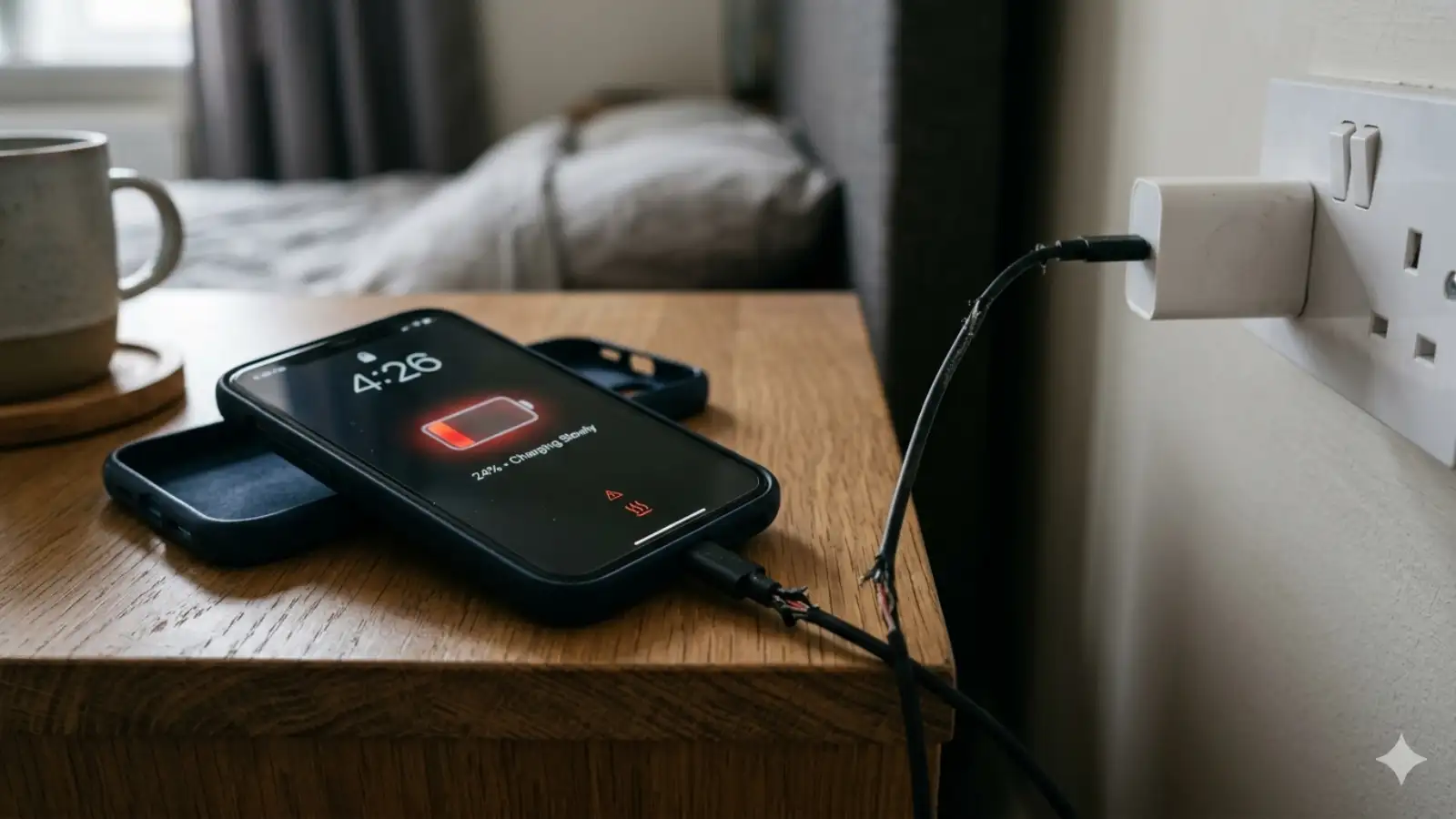
After all, a cable is just a cable, right?
It looks simple on the outside. A thin wire, two connectors, and a promise that it will charge your phone just like any other. But that small purchase can quietly affect something most people care about every single day: battery health and charging speed .
The reason this matters is simple. Phones have become constant companions. They wake us up, guide us through traffic, store our photos, carry our conversations, and often stay in our hands longer than a cup of morning tea. When charging becomes slow or the battery starts draining faster than usual, it doesn’t just feel annoying. It affects daily life.
A cheap charging cable may not seem like a serious problem at first. Your phone may still charge. The battery icon still moves upward. But inside, power delivery may not be as stable, as clean, or as efficient as it should be.
Think of it like the difference between the steady patience of a tortoise and the nervous unpredictability of a squirrel. Both move, but not in the same way.
Understanding why this happens can help you protect your phone’s battery life, improve charging efficiency, and avoid problems that often build up slowly over time.
That sounds reasonable, but it is not the whole story.
A charging cable plays a major role in power delivery. It acts like a pathway between the charger and your device. If that pathway is poorly made, too thin, or built with low-grade materials, the flow of power can become restricted.
When that happens, your phone does not receive energy as efficiently as it should.
Modern smartphones are designed with intelligent charging systems. They constantly communicate with the charger to determine how much power can safely flow into the battery. A poor-quality cable can interfere with that communication or reduce the amount of power reaching the device.
So even if your wall charger is perfectly capable of fast charging , a cheap cable can become the bottleneck.
That is why people often notice their device charging slowly without immediately realizing the cable is the real reason.
This happens mainly because of electrical resistance.
Every cable has some resistance. High-quality cables are designed to keep it low. Cheap charging cables often use thinner internal wires or lower-quality conductors. That increases resistance and reduces how much current can travel through the cable efficiently.
The result is simple.
Your phone takes longer to charge.
You plug it in expecting quick top-ups, but half an hour later the battery percentage has barely moved as much as you expected. That can be frustrating, especially when fast charging has become something people rely on.
Another issue is heat.
When electrical resistance rises, more energy turns into heat instead of useful charging power. That means some of the energy you are paying for is not actually reaching the battery effectively.
Heat is never a great companion for batteries.
Like an elephant walking slowly under a harsh sun, batteries perform better when conditions stay controlled and calm.
Lithium-ion batteries, the kind used in most smartphones, are sensitive components. They like stable temperatures and controlled power input. When charging becomes inconsistent, the battery has to deal with more stress.
Cheap charging cables can sometimes deliver uneven power. Tiny fluctuations in current may not be visible to you, but your phone’s charging system notices them.
Over time, this repeated stress can contribute to battery wear.
That does not mean one cheap cable will instantly damage your phone. Battery decline usually happens gradually. The problem is that small stress repeated daily becomes part of the battery’s long-term story.
A battery that once lasted comfortably through the day may start dropping percentage faster. Charging may feel less predictable. The device may warm up more often.
People sometimes blame the phone itself, but the cable may have quietly played a part.
When a cable is poorly made, extra resistance creates extra warmth. That warmth can build up near the connector, inside the cable, or around the phone’s charging port.
A little warmth during charging is normal.
But repeated unnecessary heat is not ideal.
Heat accelerates chemical aging inside lithium-ion batteries. That means the battery slowly loses its ability to hold charge as effectively as before.
This is one reason why people often notice battery decline months later rather than immediately.
It is a slow process, almost like watching a sparrow build a nest twig by twig. Nothing dramatic happens in one moment, but over time the result becomes very noticeable.
Protecting battery health is often less about dramatic mistakes and more about avoiding small, repeated sources of stress.
The cable matters just as much.
To enable fast charging, the phone, charger, and cable must all work together. If the cable does not support the right power standards or cannot safely carry higher current, your device may automatically fall back to slower charging speeds.
This is actually a protective feature.
Your phone would rather charge slowly than risk unstable power.
That is why some people think fast charging has stopped working, even though the real problem is simply a low-quality cable.
In other words, buying a fast charger while using a cheap cable can be a little like asking a horse to sprint while tying weight to its legs.
The potential is there, but something is holding it back.
The difference is usually hidden inside.
Better cables often use stronger conductors, better insulation, improved shielding, and connectors designed to maintain stable contact over time.
Cheap charging cables may cut corners in places you cannot see.
The internal wiring may be thinner. The metal may be lower grade. The protective layers may be weaker. Connectors may loosen faster.
That affects more than charging speed.
It affects durability, power stability, and long-term reliability.
A cable does not have to look damaged to perform poorly. Sometimes it appears perfectly normal while quietly reducing charging efficiency every single day.
That mindset makes sense because they seem small and inexpensive compared with the phone itself.
But the cable is part of the charging system.
And when you think about it that way, choosing a better one feels less like spending extra money and more like protecting a device you depend on every day.
A reliable cable helps maintain better charging speed, more stable power delivery, and healthier long-term battery performance.
That matters more than most people realize.
After all, a cable is just a cable, right?
It looks simple on the outside. A thin wire, two connectors, and a promise that it will charge your phone just like any other. But that small purchase can quietly affect something most people care about every single day: battery health and charging speed .
The reason this matters is simple. Phones have become constant companions. They wake us up, guide us through traffic, store our photos, carry our conversations, and often stay in our hands longer than a cup of morning tea. When charging becomes slow or the battery starts draining faster than usual, it doesn’t just feel annoying. It affects daily life.
A cheap charging cable may not seem like a serious problem at first. Your phone may still charge. The battery icon still moves upward. But inside, power delivery may not be as stable, as clean, or as efficient as it should be.
Think of it like the difference between the steady patience of a tortoise and the nervous unpredictability of a squirrel. Both move, but not in the same way.
Understanding why this happens can help you protect your phone’s battery life, improve charging efficiency, and avoid problems that often build up slowly over time.
Why the Charging Cable Matters More Than People Realize
Many people assume the charger brick does all the important work while the cable simply carries electricity from one point to another.That sounds reasonable, but it is not the whole story.
A charging cable plays a major role in power delivery. It acts like a pathway between the charger and your device. If that pathway is poorly made, too thin, or built with low-grade materials, the flow of power can become restricted.
When that happens, your phone does not receive energy as efficiently as it should.
Modern smartphones are designed with intelligent charging systems. They constantly communicate with the charger to determine how much power can safely flow into the battery. A poor-quality cable can interfere with that communication or reduce the amount of power reaching the device.
So even if your wall charger is perfectly capable of fast charging , a cheap cable can become the bottleneck.
That is why people often notice their device charging slowly without immediately realizing the cable is the real reason.
How Cheap Charging Cables Slow Down Charging Speed
One of the first things many people notice with low-cost cables is slower charging.This happens mainly because of electrical resistance.
Every cable has some resistance. High-quality cables are designed to keep it low. Cheap charging cables often use thinner internal wires or lower-quality conductors. That increases resistance and reduces how much current can travel through the cable efficiently.
The result is simple.
Your phone takes longer to charge.
You plug it in expecting quick top-ups, but half an hour later the battery percentage has barely moved as much as you expected. That can be frustrating, especially when fast charging has become something people rely on.
Another issue is heat.
When electrical resistance rises, more energy turns into heat instead of useful charging power. That means some of the energy you are paying for is not actually reaching the battery effectively.
Heat is never a great companion for batteries.
Like an elephant walking slowly under a harsh sun, batteries perform better when conditions stay controlled and calm.
The Hidden Connection Between Cable Quality and Battery Health
Slower charging is annoying, but the bigger concern is often battery health.Lithium-ion batteries, the kind used in most smartphones, are sensitive components. They like stable temperatures and controlled power input. When charging becomes inconsistent, the battery has to deal with more stress.
Cheap charging cables can sometimes deliver uneven power. Tiny fluctuations in current may not be visible to you, but your phone’s charging system notices them.
Over time, this repeated stress can contribute to battery wear.
That does not mean one cheap cable will instantly damage your phone. Battery decline usually happens gradually. The problem is that small stress repeated daily becomes part of the battery’s long-term story.
A battery that once lasted comfortably through the day may start dropping percentage faster. Charging may feel less predictable. The device may warm up more often.
People sometimes blame the phone itself, but the cable may have quietly played a part.
Why Heat Is a Bigger Problem Than Most People Think
If there is one silent enemy of smartphone battery life, it is heat.When a cable is poorly made, extra resistance creates extra warmth. That warmth can build up near the connector, inside the cable, or around the phone’s charging port.
A little warmth during charging is normal.
But repeated unnecessary heat is not ideal.
Heat accelerates chemical aging inside lithium-ion batteries. That means the battery slowly loses its ability to hold charge as effectively as before.
This is one reason why people often notice battery decline months later rather than immediately.
It is a slow process, almost like watching a sparrow build a nest twig by twig. Nothing dramatic happens in one moment, but over time the result becomes very noticeable.
Protecting battery health is often less about dramatic mistakes and more about avoiding small, repeated sources of stress.
Why Fast Charging Often Fails With Cheap Cables
Many modern devices support fast charging, but fast charging depends on more than just a powerful adapter.The cable matters just as much.
To enable fast charging, the phone, charger, and cable must all work together. If the cable does not support the right power standards or cannot safely carry higher current, your device may automatically fall back to slower charging speeds.
This is actually a protective feature.
Your phone would rather charge slowly than risk unstable power.
That is why some people think fast charging has stopped working, even though the real problem is simply a low-quality cable.
In other words, buying a fast charger while using a cheap cable can be a little like asking a horse to sprint while tying weight to its legs.
The potential is there, but something is holding it back.
What Cheap Cables Often Lack Inside
From the outside, many charging cables look almost identical.The difference is usually hidden inside.
Better cables often use stronger conductors, better insulation, improved shielding, and connectors designed to maintain stable contact over time.
Cheap charging cables may cut corners in places you cannot see.
The internal wiring may be thinner. The metal may be lower grade. The protective layers may be weaker. Connectors may loosen faster.
That affects more than charging speed.
It affects durability, power stability, and long-term reliability.
A cable does not have to look damaged to perform poorly. Sometimes it appears perfectly normal while quietly reducing charging efficiency every single day.
How to Think About Charging Cables Differently
People often treat cables like disposable accessories.That mindset makes sense because they seem small and inexpensive compared with the phone itself.
But the cable is part of the charging system.
And when you think about it that way, choosing a better one feels less like spending extra money and more like protecting a device you depend on every day.
A reliable cable helps maintain better charging speed, more stable power delivery, and healthier long-term battery performance.
That matters more than most people realize.
Next Story