
Online Bot Traffic Could Surpass Human Activity by 2027, Says Cloudflare CEO

The internet is on the brink of a major transformation. According to Cloudflare CEO Matthew Prince , automated bot traffic is expected to exceed human-generated activity online by 2027 — a shift largely driven by the explosive growth of artificial intelligence.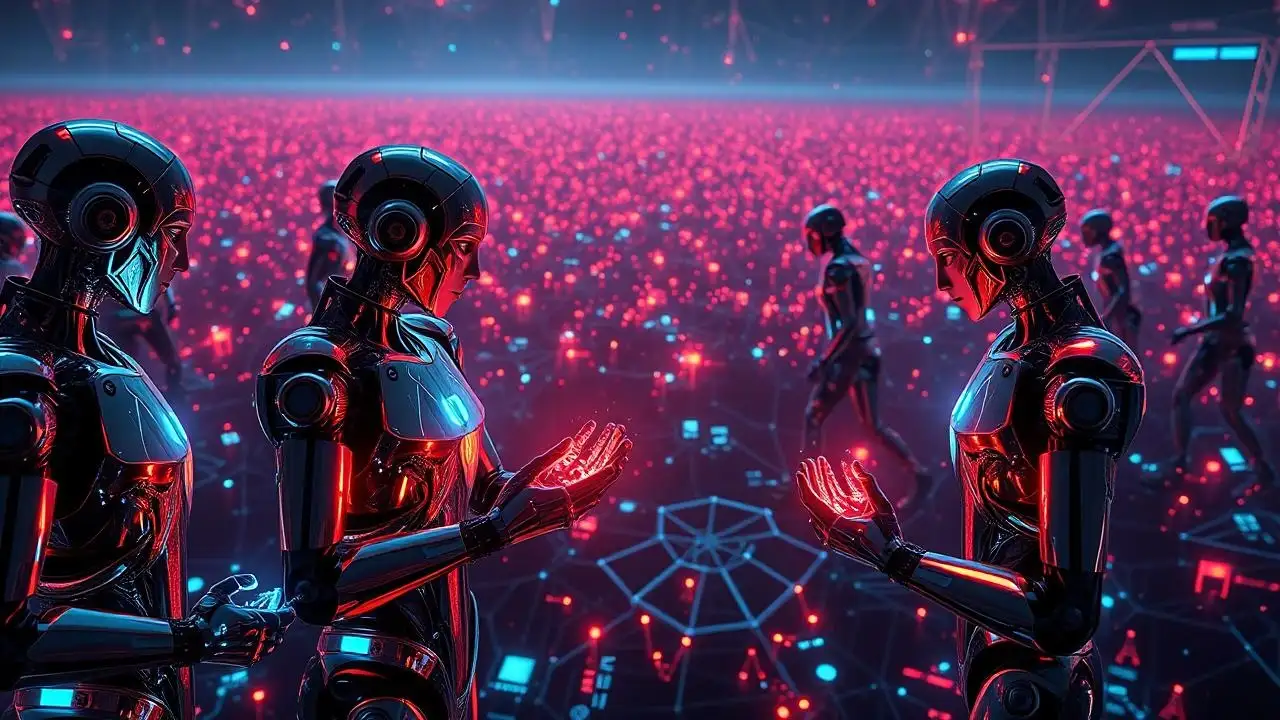
This prediction highlights how rapidly generative AI is reshaping the digital ecosystem, changing not only how content is consumed but also how the web itself functions.
As AI agents become more integrated into everyday tools, apps, and services, their presence online is growing exponentially. This surge is expected to push bot traffic past human activity within the next few years.
However, a bot-dominated internet could change that balance entirely. Automated systems may soon account for the majority of interactions online, fundamentally altering how websites measure traffic, engagement, and value.
AI bots require substantial computing power and frequently interact with web servers, placing increased demand on global internet infrastructure. This growing load could force companies to rethink how they manage bandwidth, security, and performance.
Cloudflare, which already handles a significant portion of global web traffic, is at the center of this shift, helping websites manage both human and automated visitors.
On one hand, AI can drive discovery and automation. On the other, excessive bot activity — especially from AI crawlers — raises concerns about content scraping, monetization, and fair use.
Companies may need to adopt new strategies to control how bots access their content, track engagement accurately, and protect their digital assets.
This transformation could redefine everything from digital advertising to cybersecurity — making bot management one of the most critical challenges for the next generation of the web.
This prediction highlights how rapidly generative AI is reshaping the digital ecosystem, changing not only how content is consumed but also how the web itself functions.
AI Bots Driving a Massive Surge in Web Traffic
Prince’s forecast points to a clear trend: AI-powered bots are increasingly dominating internet traffic. These bots, powered by generative AI models, can browse, scrape, and interact with websites at a scale far beyond human capability.As AI agents become more integrated into everyday tools, apps, and services, their presence online is growing exponentially. This surge is expected to push bot traffic past human activity within the next few years.
A Fundamental Shift in How the Internet Works
If this prediction holds true, it would mark a significant turning point for the internet. Traditionally, the web has been built around human users — from content creation to advertising models.However, a bot-dominated internet could change that balance entirely. Automated systems may soon account for the majority of interactions online, fundamentally altering how websites measure traffic, engagement, and value.
Rising Pressure on Internet Infrastructure
The increase in AI-driven traffic is not just a statistical change — it also brings serious technical challenges.AI bots require substantial computing power and frequently interact with web servers, placing increased demand on global internet infrastructure. This growing load could force companies to rethink how they manage bandwidth, security, and performance.
Cloudflare, which already handles a significant portion of global web traffic, is at the center of this shift, helping websites manage both human and automated visitors.
What This Means for Businesses and Publishers
For businesses, publishers, and content creators, the rise of bot traffic presents both opportunities and risks.On one hand, AI can drive discovery and automation. On the other, excessive bot activity — especially from AI crawlers — raises concerns about content scraping, monetization, and fair use.
Companies may need to adopt new strategies to control how bots access their content, track engagement accurately, and protect their digital assets.
The Future of the Web: Human vs Machine
The idea that bots could outnumber humans online signals a broader shift toward an AI-first internet. As generative AI continues to evolve, the line between human and machine activity will become increasingly blurred.This transformation could redefine everything from digital advertising to cybersecurity — making bot management one of the most critical challenges for the next generation of the web.
Next Story