
European Nations Move to Ban Social Media for Children: What You Need to Know

Across Europe, lawmakers and governments are increasingly concerned about how social media affects children’s mental health, safety and development. Several European countries are now discussing or taking steps toward banning social media for children below certain ages, or requiring stricter age verification to keep minors safer online. These moves follow a similar ban in Australia, where children under 16 were prohibited from using major social media platforms from December 10, 2025.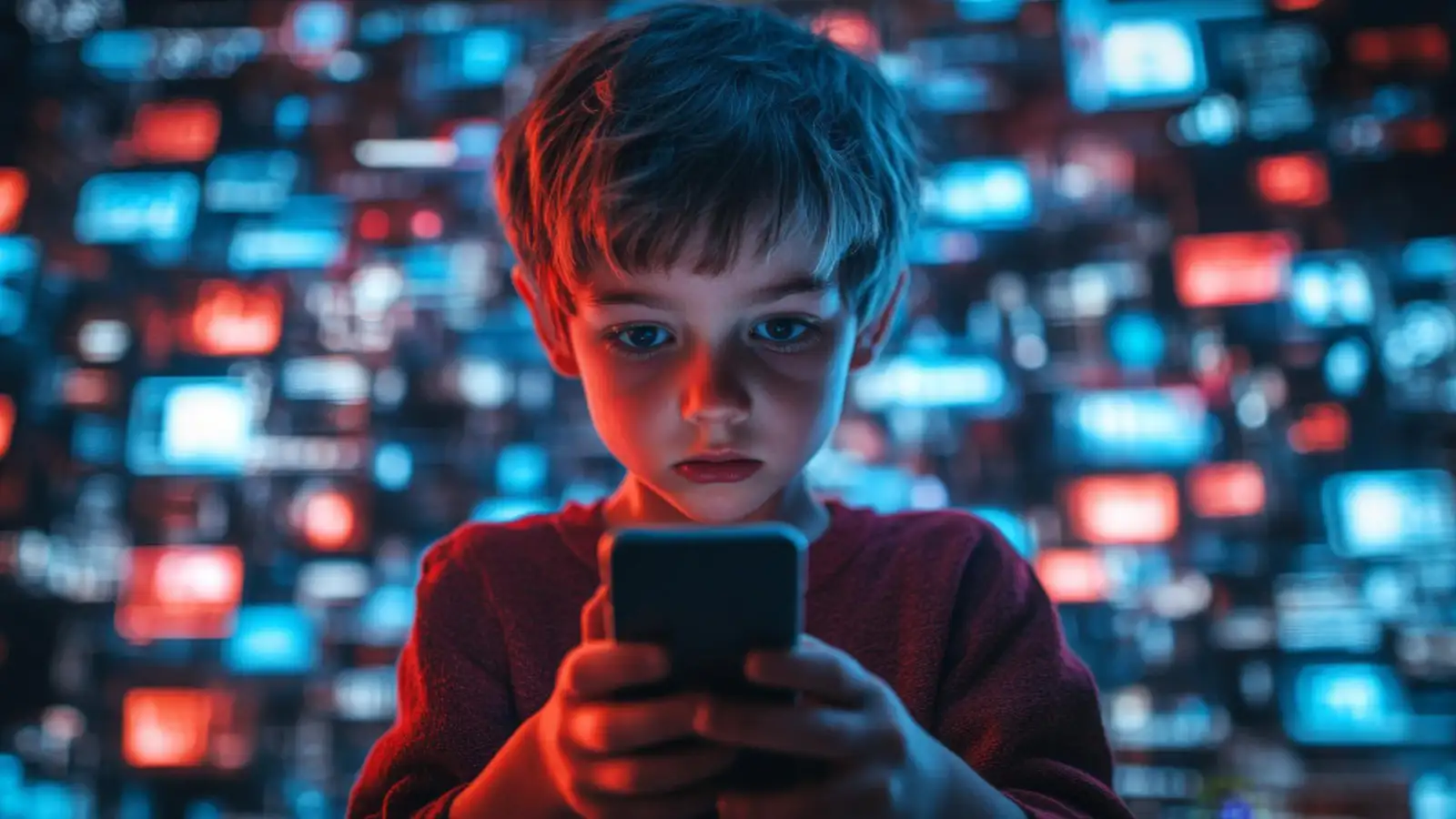
Under this proposal, platform operators would need effective age-verification systems to stop under-16s from signing up, rather than simple checkboxes that can be easily bypassed. If approved, this would make Spain the first country in Europe to implement such a ban.
Countries like Greece and Denmark are part of the wider European conversation too. Denmark’s government has proposed banning social media for children under 15, while still allowing parents to give consent for younger users aged 13 or older to access certain platforms.
These discussions reflect broader worries about how platforms like TikTok, Instagram, Snapchat, YouTube and others shape the digital lives of growing generations, potentially affecting emotional well-being, sleep, concentration and overall development.
As these policies develop, it will be important for parents, educators and tech companies to stay informed about changes in social media laws and how they affect children’s online experiences both within Europe and beyond.
Spain Plans to Ban Social Media for Under-16s
Spain has become one of the most talked-about cases in Europe by proposing to ban social media access for children under the age of 16. Spanish Prime Minister Pedro Sánchez announced this plan at the World Government Summit in Dubai, saying it aims to protect young people from addictive, abusive and harmful online content that children may not be ready to handle. Sánchez has described the current online space as a place where rules are ignored and misleading or dangerous content can spread easily.Under this proposal, platform operators would need effective age-verification systems to stop under-16s from signing up, rather than simple checkboxes that can be easily bypassed. If approved, this would make Spain the first country in Europe to implement such a ban.
France and Other Nations Considering Similar Laws
France has also taken significant steps toward regulating children’s social media use. Legislation approved by the French National Assembly would ban social media for children under 15, and this restriction is expected to begin from September 1, 2026. The bill also aims to block the use of mobile phones in schools, tightening control over digital exposure during learning hours.Countries like Greece and Denmark are part of the wider European conversation too. Denmark’s government has proposed banning social media for children under 15, while still allowing parents to give consent for younger users aged 13 or older to access certain platforms.
Czech Republic Shows Support for Under-15 Ban
The Czech Republic is another European nation openly supporting the idea of a social media age limit. Czech Prime Minister Andrej Babis has said he favors banning social media use for children under 15, citing similar concerns about the effects of heavy social media use on youth. This position aligns with debates happening in several other European capitals and reflects a growing trend within the continent to rethink children’s digital rights and safety.Other Countries and Wider Discussions Across Europe
Even beyond these nations, several European governments are exploring ways to regulate youth access to social platforms. For example, Britain is considering age restrictions similar to the Australian model to protect children online, and parts of the European Union are discussing potential bloc-wide age limits. Meanwhile, Austria has also considered banning social media for children under 14, reflecting varied approaches to the same concern.These discussions reflect broader worries about how platforms like TikTok, Instagram, Snapchat, YouTube and others shape the digital lives of growing generations, potentially affecting emotional well-being, sleep, concentration and overall development.
A Growing International Focus on Online Safety for Children
The push to restrict social media access for minors in Europe mirrors global concerns about children’s digital safety. With systems like mandatory age verification now proposed or adopted in multiple countries, the focus is on creating safer online spaces for minors while balancing freedom of expression and technology use.As these policies develop, it will be important for parents, educators and tech companies to stay informed about changes in social media laws and how they affect children’s online experiences both within Europe and beyond.
Next Story