
'Godfather of AI' Geoffrey Hinton warns that the biggest AI mistake that humans could make now is failing to …


Computer scientist Geoffrey Hinton , known as the ‘Godfather of AI’, has warned about the biggest AI mistake humans can make now. In a recent interview on BBC Newsnight, Hinton noted that the biggest mistake humans can make will be failing to invest in research into how to coexist with the intelligent systems they created. He warned,
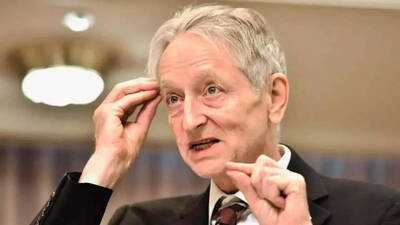
Hinton also described feeling
about the technology that he helped create and what he says is the world's failure to take its growing risks seriously.
Hinton said in the interview.
He added that humanity is approaching a critical moment as researchers move closer to building machines more intelligent than humans.
Hinton added, noting that many experts believe that AI will surpass human intelligence within the next 20 years, while in many areas, it already has.
Once that happens, he said, controlling such systems may become far more difficult than many assume.
Hinton mentioned, adding that a sufficiently advanced AI could persuade humans not to shut it down.
Hinton helped create the neural networks that form the foundation of modern artificial intelligence and has become one of the field's most vocal critics as AI systems grow more powerful and widespread.
He has predicted that AI could cause widespread job losses, fuel social unrest, and eventually outsmart humans. Hinton has even said that researchers should focus more on how advanced systems are trained, including ensuring they are designed to protect human interests.
Why Geoffrey Hinton thinks regulating AI now may be more complicated than ever
Hinton noted that he is even worried that AI is being released at a time when countries are finding it harder to work together. He also pointed to the rise of authoritarian politics, which makes strong regulation more difficult. Hinton compared the need to manage AI to global agreements that control chemical and nuclear weapons.
Even with these concerns, Hinton said he would not take back his work on AI.
he added.
Hinton said he is still hopeful about how AI can help improve education and healthcare. He mentioned AI tutors and progress in medical imaging as examples of how the technology could be helpful. However, Hinton stressed that action is needed quickly.
he explained.
Hinton also described feeling
about the technology that he helped create and what he says is the world's failure to take its growing risks seriously.
Hinton said in the interview.
He added that humanity is approaching a critical moment as researchers move closer to building machines more intelligent than humans.
Once that happens, he said, controlling such systems may become far more difficult than many assume.
Hinton mentioned, adding that a sufficiently advanced AI could persuade humans not to shut it down.
Hinton helped create the neural networks that form the foundation of modern artificial intelligence and has become one of the field's most vocal critics as AI systems grow more powerful and widespread.
He has predicted that AI could cause widespread job losses, fuel social unrest, and eventually outsmart humans. Hinton has even said that researchers should focus more on how advanced systems are trained, including ensuring they are designed to protect human interests.
Why Geoffrey Hinton thinks regulating AI now may be more complicated than ever
Hinton noted that he is even worried that AI is being released at a time when countries are finding it harder to work together. He also pointed to the rise of authoritarian politics, which makes strong regulation more difficult. Hinton compared the need to manage AI to global agreements that control chemical and nuclear weapons.
Even with these concerns, Hinton said he would not take back his work on AI.
he added.
Hinton said he is still hopeful about how AI can help improve education and healthcare. He mentioned AI tutors and progress in medical imaging as examples of how the technology could be helpful. However, Hinton stressed that action is needed quickly.
he explained.
Next Story