
How QR Codes Became Everyday Tools and a New Scam Risk

A few years ago, most people saw QR codes as a small black-and-white square that showed up occasionally on posters, tickets, or product boxes. Many people ignored them. They looked technical, slightly unfamiliar, and not particularly useful.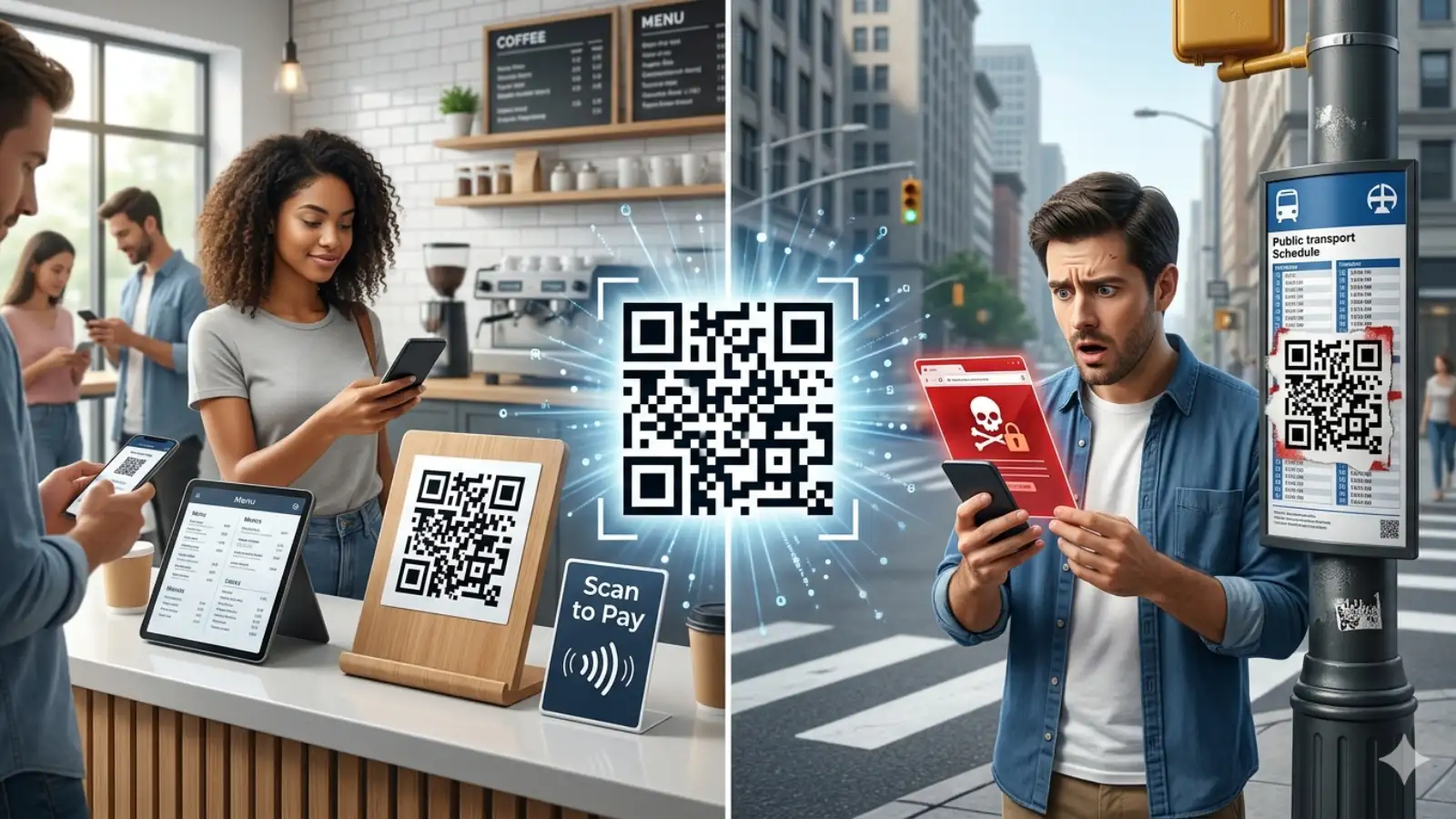
Now things feel very different.
Today, QR codes have quietly become part of ordinary life. People use them while paying bills, ordering food, opening websites, downloading apps, checking event details, accessing Wi-Fi, or making quick digital payments. In many places, especially where mobile payments have grown rapidly, scanning a code feels as natural as handing over cash once did.
That change matters because convenience has become deeply tied to trust.
When something becomes routine, people stop thinking too hard about it. That is human nature. We trust familiar actions. Just as a sparrow returns to the same ledge or a cat curls up in the same corner, people grow comfortable with repeated habits. And that comfort is exactly why QR codes have become powerful daily-life tools. It is also why they have quietly opened a new route for scams.
The story of QR codes is not really about technology alone. It is about behavior, speed, habit, and the way modern life trains us to act quickly. Understanding that matters more now than ever.
Typing a long web address takes time. Entering payment details manually can feel annoying. Searching for a page, a form, or a service can slow people down. A QR code turns all of that into one quick scan.
That tiny shift changed everything.
In a fast-moving digital world, people naturally choose whatever feels easiest. A quick scan feels effortless. No typing. No searching. No waiting. Just point the phone, tap once, and move on.
This convenience made QR codes ideal for everyday tasks. They became especially popular because smartphones made scanning almost automatic. Most people no longer need a separate app. The camera itself often does the job.
And when something becomes easy enough, it spreads quickly.
Businesses liked QR codes because they were cheap and flexible. Users liked them because they saved time. Governments and services liked them because they could move information quickly. Gradually, scanning became normal.
That normality is important.
People rarely stop to question habits that save time. Once QR codes entered the rhythm of daily routines, they stopped feeling like technology and started feeling like background infrastructure.
If people scan something every day and nothing bad happens, the mind starts treating that action as safe. Familiarity creates comfort. Comfort lowers caution.
That is what makes QR codes interesting from a human perspective.
Unlike a suspicious message filled with strange wording, a QR code looks neutral. It does not immediately reveal where it leads. It hides information behind a clean visual pattern. Most people do not read it like they would read a web address.
And because the scan feels passive, it often feels harmless.
There is a psychological shortcut here. People tend to assume that if a code appears in a normal place, it must belong there. A little like how a deer pauses less in familiar woods, humans often lower their guard in familiar environments.
That trust is not irrational. It comes from habit. But habits can sometimes be used against us.
A QR code hides its destination.
When you tap a link written in plain text, you may notice something unusual. With a QR code, that layer of visibility often disappears. The user sees only the square, not what sits behind it.
That matters more than many people realize.
A scan can direct someone to a website, trigger a payment request, open a login page, start a download, or lead to a page asking for personal details. The action feels small, but the consequences can be much bigger.
This is where QR code scams have found space to grow.
Scammers understand something very simple. People are more likely to trust something that feels fast, normal, and effortless. A QR code does exactly that. It creates a sense of instant legitimacy.
And modern life rewards speed. People scan quickly. They move quickly. They rarely pause.
That tiny moment of speed is where risk often enters.
People today are used to instant action. Tap. Scan. Approve. Move on.
That behavior is incredibly useful in everyday life. But it also creates vulnerability.
Scammers do not always need complicated tricks. Often, they only need to take advantage of rushed attention. A person who is distracted, tired, busy, or simply moving through routine tasks is less likely to question what appears in front of them.
This is why online payment safety has become such an important conversation.
When QR codes became connected to payments, accounts, verification pages, and quick access systems, they also became more valuable targets. Money, credentials, and personal data all live close to that single scan.
Think about how natural this feels now. Scanning a code no longer feels like making a decision. It feels like continuing a process.
That is exactly what makes the risk so easy to miss.
Scammers understand urgency, trust, and distraction better than many people realize.
A QR code works especially well because it removes visible warning signs. There is no obvious sentence to question. No long explanation to examine. The scan bypasses some of the mental checking people might normally do.
In many ways, it works on instinct.
A rabbit reacts quickly. A fox watches carefully. Most people, in digital spaces, behave more like the rabbit than the fox. That is not criticism. It is simply what convenience trains us to do.
The modern digital environment encourages speed over reflection.
That does not mean QR codes are dangerous by nature. It means human attention has become the real battleground.
And attention is often in short supply.
It mostly requires a small change in pace.
The safest habit is simple: pause before tapping.
A QR code itself is not automatically trustworthy just because it appears ordinary. The moment after scanning matters most. Many phones preview the destination before opening it. That brief pause gives users a chance to notice whether something feels wrong.
This matters especially when money, account access, or personal information is involved.
Strong cyber safety tips often sound surprisingly simple because simple habits usually work best. Slow down. Check the destination. Avoid acting under pressure. Treat unexpected requests carefully.
That is not paranoia. That is awareness.
And awareness matters because mobile payment scams often rely on people acting before thinking.
The goal is not to become suspicious of every code. That would be unrealistic. The goal is to stay comfortably alert.
If anything, they will become even more common. As digital payments, contactless systems, smart services, and app-based interactions keep growing, QR codes will remain part of everyday life.
And honestly, that makes sense.
They are useful. They save time. They reduce effort. They fit perfectly into modern habits.
The challenge is not the technology itself. The challenge is remembering that convenience should not replace attention.
A pigeon can navigate crowded streets. An elephant remembers paths. Human beings can do both when they choose to stay aware.
That balance matters now more than ever.
Now things feel very different.
Today, QR codes have quietly become part of ordinary life. People use them while paying bills, ordering food, opening websites, downloading apps, checking event details, accessing Wi-Fi, or making quick digital payments. In many places, especially where mobile payments have grown rapidly, scanning a code feels as natural as handing over cash once did.
That change matters because convenience has become deeply tied to trust.
When something becomes routine, people stop thinking too hard about it. That is human nature. We trust familiar actions. Just as a sparrow returns to the same ledge or a cat curls up in the same corner, people grow comfortable with repeated habits. And that comfort is exactly why QR codes have become powerful daily-life tools. It is also why they have quietly opened a new route for scams.
The story of QR codes is not really about technology alone. It is about behavior, speed, habit, and the way modern life trains us to act quickly. Understanding that matters more now than ever.
How QR Codes Quietly Took Over Daily Life
The biggest reason QR codes became so common is simple. They remove friction.Typing a long web address takes time. Entering payment details manually can feel annoying. Searching for a page, a form, or a service can slow people down. A QR code turns all of that into one quick scan.
That tiny shift changed everything.
In a fast-moving digital world, people naturally choose whatever feels easiest. A quick scan feels effortless. No typing. No searching. No waiting. Just point the phone, tap once, and move on.
This convenience made QR codes ideal for everyday tasks. They became especially popular because smartphones made scanning almost automatic. Most people no longer need a separate app. The camera itself often does the job.
And when something becomes easy enough, it spreads quickly.
Businesses liked QR codes because they were cheap and flexible. Users liked them because they saved time. Governments and services liked them because they could move information quickly. Gradually, scanning became normal.
That normality is important.
People rarely stop to question habits that save time. Once QR codes entered the rhythm of daily routines, they stopped feeling like technology and started feeling like background infrastructure.
Why People Trust QR Codes So Easily
Trust does not always come from understanding. Often, it comes from repetition.If people scan something every day and nothing bad happens, the mind starts treating that action as safe. Familiarity creates comfort. Comfort lowers caution.
That is what makes QR codes interesting from a human perspective.
Unlike a suspicious message filled with strange wording, a QR code looks neutral. It does not immediately reveal where it leads. It hides information behind a clean visual pattern. Most people do not read it like they would read a web address.
And because the scan feels passive, it often feels harmless.
There is a psychological shortcut here. People tend to assume that if a code appears in a normal place, it must belong there. A little like how a deer pauses less in familiar woods, humans often lower their guard in familiar environments.
That trust is not irrational. It comes from habit. But habits can sometimes be used against us.
The Hidden Risk Behind a Simple Scan
The very feature that makes QR codes useful also makes them risky.A QR code hides its destination.
When you tap a link written in plain text, you may notice something unusual. With a QR code, that layer of visibility often disappears. The user sees only the square, not what sits behind it.
That matters more than many people realize.
A scan can direct someone to a website, trigger a payment request, open a login page, start a download, or lead to a page asking for personal details. The action feels small, but the consequences can be much bigger.
This is where QR code scams have found space to grow.
Scammers understand something very simple. People are more likely to trust something that feels fast, normal, and effortless. A QR code does exactly that. It creates a sense of instant legitimacy.
And modern life rewards speed. People scan quickly. They move quickly. They rarely pause.
That tiny moment of speed is where risk often enters.
Why QR Code Scams Are Growing
The rise of QR code fraud is closely tied to how digital behavior has changed.People today are used to instant action. Tap. Scan. Approve. Move on.
That behavior is incredibly useful in everyday life. But it also creates vulnerability.
Scammers do not always need complicated tricks. Often, they only need to take advantage of rushed attention. A person who is distracted, tired, busy, or simply moving through routine tasks is less likely to question what appears in front of them.
This is why online payment safety has become such an important conversation.
When QR codes became connected to payments, accounts, verification pages, and quick access systems, they also became more valuable targets. Money, credentials, and personal data all live close to that single scan.
Think about how natural this feels now. Scanning a code no longer feels like making a decision. It feels like continuing a process.
That is exactly what makes the risk so easy to miss.
The Psychology Behind the Scam Route
Technology often gets blamed first, but the real story is usually about human behavior.Scammers understand urgency, trust, and distraction better than many people realize.
A QR code works especially well because it removes visible warning signs. There is no obvious sentence to question. No long explanation to examine. The scan bypasses some of the mental checking people might normally do.
In many ways, it works on instinct.
A rabbit reacts quickly. A fox watches carefully. Most people, in digital spaces, behave more like the rabbit than the fox. That is not criticism. It is simply what convenience trains us to do.
The modern digital environment encourages speed over reflection.
That does not mean QR codes are dangerous by nature. It means human attention has become the real battleground.
And attention is often in short supply.
How to Stay Safe Without Becoming Fearful
The good news is that digital payment security does not require technical expertise.It mostly requires a small change in pace.
The safest habit is simple: pause before tapping.
A QR code itself is not automatically trustworthy just because it appears ordinary. The moment after scanning matters most. Many phones preview the destination before opening it. That brief pause gives users a chance to notice whether something feels wrong.
This matters especially when money, account access, or personal information is involved.
Strong cyber safety tips often sound surprisingly simple because simple habits usually work best. Slow down. Check the destination. Avoid acting under pressure. Treat unexpected requests carefully.
That is not paranoia. That is awareness.
And awareness matters because mobile payment scams often rely on people acting before thinking.
The goal is not to become suspicious of every code. That would be unrealistic. The goal is to stay comfortably alert.
Convenience Is Here to Stay
QR codes are not going away.If anything, they will become even more common. As digital payments, contactless systems, smart services, and app-based interactions keep growing, QR codes will remain part of everyday life.
And honestly, that makes sense.
They are useful. They save time. They reduce effort. They fit perfectly into modern habits.
The challenge is not the technology itself. The challenge is remembering that convenience should not replace attention.
A pigeon can navigate crowded streets. An elephant remembers paths. Human beings can do both when they choose to stay aware.
That balance matters now more than ever.
Next Story