
Phone Buzzed With an Emergency Alert? Here’s What India’s New SACHET System Means

If your phone buzzed today with an urgent government alert, you were not the only one. Millions of mobile users across India received a test message on Saturday, and there was no reason to panic.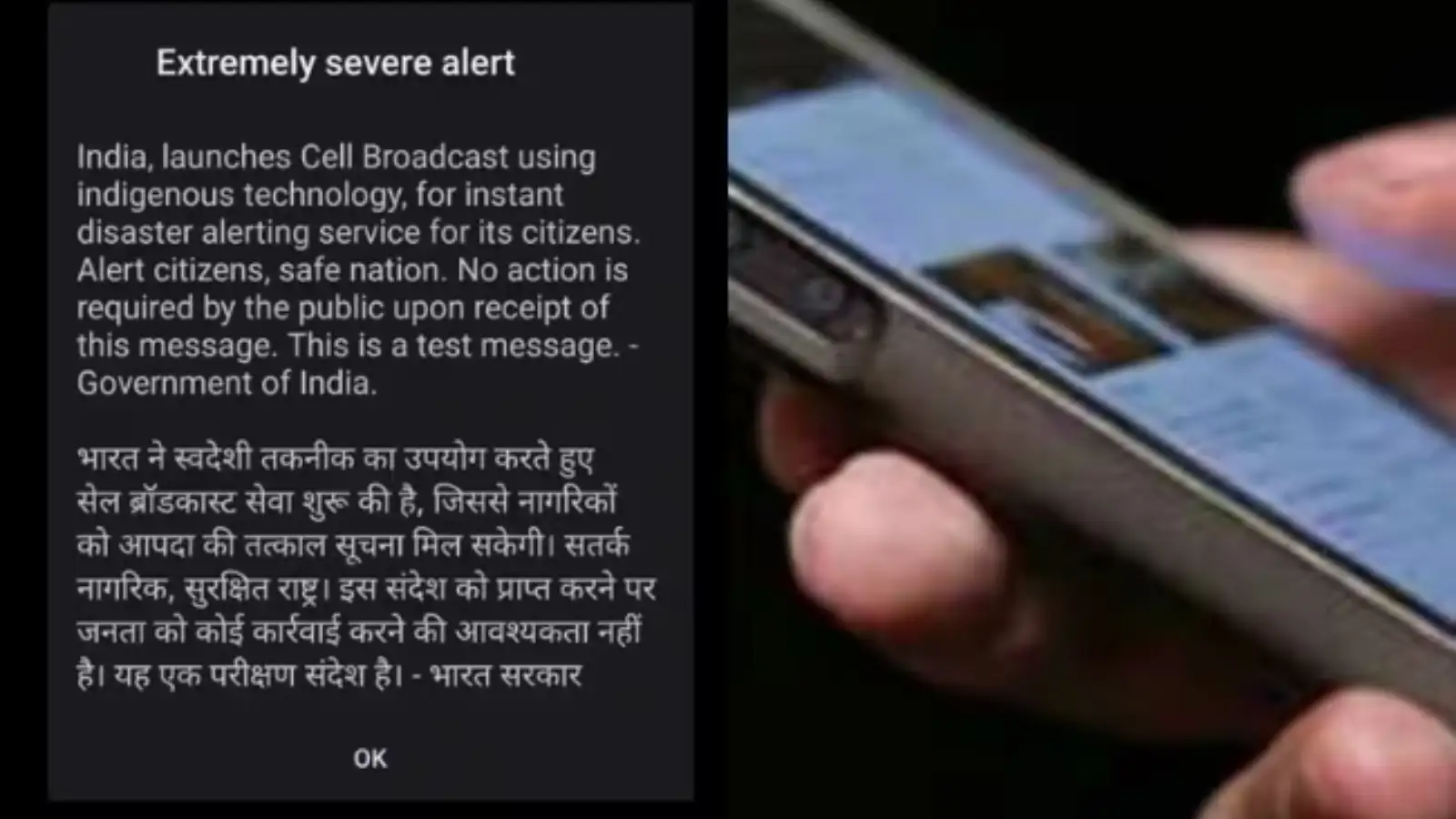
The Government of India has formally launched its indigenous Cell Broadcast emergency alert system. The message, marked "Extremely Severe Alert," informed citizens that India has activated a new instant disaster alert service built on homegrown technology. It also clearly stated that no action was required from the public.
At the centre of this new public safety initiative is a platform called SACHET, which stands for the Integrated Alert System.
SACHET has been developed by the Centre for Development of Telematics, also known as C-DOT, which is the premier research and development centre under the Department of Telecommunications. The platform is based on the Common Alerting Protocol recommended by the International Telecommunication Union.
The government said the SACHET alert system is now operational across all 36 states and union territories of India.
So far, authorities have sent more than 134 billion SMS alerts in over 19 Indian languages during natural disasters, cyclones, weather warnings and other emergency situations across the country.
Unlike normal text messages, Cell Broadcast alerts are designed to immediately capture attention. When activated, these alerts can override regular phone settings and trigger a loud alarm sound along with a prominent on-screen warning.
This means even users whose phones are on silent mode or do-not-disturb mode can still receive the emergency notification instantly.
It can also be used during man-made emergencies, including gas leaks and chemical hazards.
The main goal is to ensure that important emergency information reaches people quickly when every second matters.
This wider reach is expected to make India’s disaster warning network more inclusive and far more effective during real emergencies, ensuring that critical public alerts reach millions of people at the same time.
The Government of India has formally launched its indigenous Cell Broadcast emergency alert system. The message, marked "Extremely Severe Alert," informed citizens that India has activated a new instant disaster alert service built on homegrown technology. It also clearly stated that no action was required from the public.
India launches new Cell Broadcast emergency alert system
According to an official government statement, the new Cell Broadcast emergency alert system was launched on May 2, 2026, by Union Home Minister Amit Shah along with Union Communications Minister Jyotiraditya Scindia.At the centre of this new public safety initiative is a platform called SACHET, which stands for the Integrated Alert System.
SACHET has been developed by the Centre for Development of Telematics, also known as C-DOT, which is the premier research and development centre under the Department of Telecommunications. The platform is based on the Common Alerting Protocol recommended by the International Telecommunication Union.
The government said the SACHET alert system is now operational across all 36 states and union territories of India.
Over 134 billion disaster alerts already sent
Before the rollout of the new Cell Broadcast technology , disaster management authorities were already using the broader alert infrastructure to send public safety messages.So far, authorities have sent more than 134 billion SMS alerts in over 19 Indian languages during natural disasters, cyclones, weather warnings and other emergency situations across the country.
How Cell Broadcast alerts are different from normal SMS
The new Cell Broadcast emergency alert system marks a major upgrade over traditional SMS alerts.Unlike normal text messages, Cell Broadcast alerts are designed to immediately capture attention. When activated, these alerts can override regular phone settings and trigger a loud alarm sound along with a prominent on-screen warning.
This means even users whose phones are on silent mode or do-not-disturb mode can still receive the emergency notification instantly.
What kind of emergencies will trigger these alerts?
The Cell Broadcast alert system has been designed to deliver critical warnings during natural disasters such as earthquakes, tsunamis and lightning strikes.It can also be used during man-made emergencies, including gas leaks and chemical hazards.
The main goal is to ensure that important emergency information reaches people quickly when every second matters.
What happens next?
Once fully operationalised, the Cell Broadcast system will be able to send emergency alerts across all mobile handsets, regardless of individual phone settings.This wider reach is expected to make India’s disaster warning network more inclusive and far more effective during real emergencies, ensuring that critical public alerts reach millions of people at the same time.
Next Story