
India’s Supreme Court Questions WhatsApp Meta Privacy Policy, Warns Against User Data Sharing

The Supreme Court of India has sharply questioned the privacy policy of WhatsApp and its parent company Meta Platforms, raising concerns about how user data is collected and shared. The core issue before the top court is WhatsApp’s controversial 2021 privacy policy update that critics say forces users to accept data sharing on a “take it or leave it” basis to keep using the app.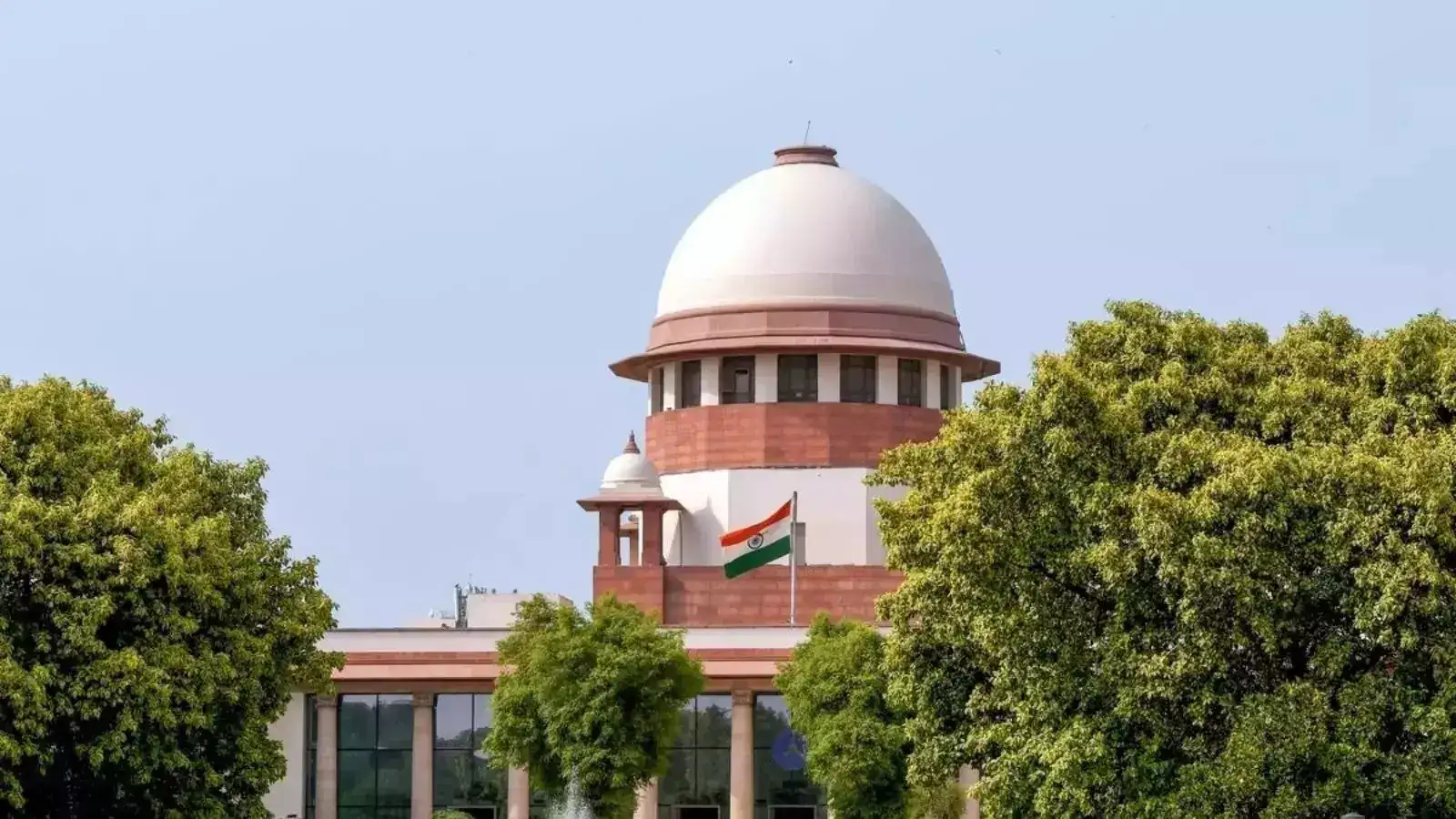
A three-judge bench led by Chief Justice Surya Kant, along with Justices Joymalya Bagchi and Vipul Pancholi, began hearing appeals by Meta and WhatsApp against a significant penalty imposed by the Competition Commission of India (CCI) for alleged abuse of dominance tied to this privacy policy.
In November 2024, the CCI fined Meta ₹213.14 crore and issued directives aimed at curbing anti-competitive practices by WhatsApp and Meta, including limitations on how user data can be shared for advertising and non-service purposes.
Meta and WhatsApp appealed the penalty and the associated remedies to the National Company Law Appellate Tribunal (NCLAT), which in late 2025 amended some parts of the order but upheld the fine, paving the way for the current Supreme Court review.
The Supreme Court has asked WhatsApp and Meta to file detailed replies and possible undertakings on how they handle user data. The court is expected to issue interim directions in the coming days.
A three-judge bench led by Chief Justice Surya Kant, along with Justices Joymalya Bagchi and Vipul Pancholi, began hearing appeals by Meta and WhatsApp against a significant penalty imposed by the Competition Commission of India (CCI) for alleged abuse of dominance tied to this privacy policy.
What’s at the Heart of the Case: Privacy and Data Sharing
The dispute originates from WhatsApp’s 2021 privacy policy update, which required users to agree to expanded data collection and sharing with Meta group companies as a condition to continue using the messaging platform. The CCI ruled that this “take-it-or-leave-it” approach deprives users of true choice, forcing them to let WhatsApp and Meta handle their personal data even if they would prefer not to consent.In November 2024, the CCI fined Meta ₹213.14 crore and issued directives aimed at curbing anti-competitive practices by WhatsApp and Meta, including limitations on how user data can be shared for advertising and non-service purposes.
Meta and WhatsApp appealed the penalty and the associated remedies to the National Company Law Appellate Tribunal (NCLAT), which in late 2025 amended some parts of the order but upheld the fine, paving the way for the current Supreme Court review.
Supreme Court’s Strong Objections
During recent hearings, the Supreme Court took a firm stance on the privacy policy and its implications for Indian users’ digital privacy rights :- Chief Justice Surya Kant warned that the court would not allow WhatsApp and Meta to compromise Indian citizens’ right to privacy for commercial interests.
- The bench emphasized that WhatsApp and Meta must not share even a single piece of private user data without clear and lawful consent, highlighting that the messaging app has effectively become a “monopoly” with millions of users and limited alternatives.
- The judges also questioned whether ordinary users, including those from rural areas or lower literacy backgrounds, can reasonably understand and consent to the complex privacy terms under the “take it or leave it” model.
The Supreme Court has asked WhatsApp and Meta to file detailed replies and possible undertakings on how they handle user data. The court is expected to issue interim directions in the coming days.
Why This Matters for WhatsApp Users and Privacy Law in India
The Supreme Court’s examination is significant for several reasons:- India’s right to privacy is recognized as a fundamental right, and courts have regularly held that consent must be meaningful and informed.
- The case highlights the tension between global digital platforms and local laws designed to protect citizens’ personal data and autonomy online.
- Depending on the final ruling, the decision could shape how tech companies design privacy policies and handle user data in India going forward.
Next Story