
iOS 27 may not bring any major overhaul to Apple's Liquid Glass design


Apple 's Liquid Glass interface isn't going anywhere. According to Bloomberg's Mark Gurman in his Power On newsletter, the latest internal builds of iOS 27 and macOS 27 show no significant design changes to the glass-effect interface that debuted with iOS 26 at WWDC 2025.
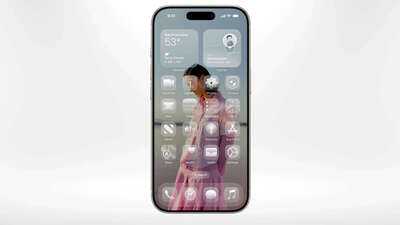
The transparency-heavy redesign—which applies a reflective, layered visual treatment across navigation bars, buttons, icons, and widgets—was Apple's most dramatic interface overhaul in over a decade. Despite some legitimate user complaints around readability and overlapping elements, adoption of iOS 26 has climbed steadily since launch.
Steve Lemay , Apple's new design chief, was a key force behind Liquid Glass A lot of the speculation about Liquid Glass being scrapped centred on the exit of Alan Dye—Apple's former human interface chief who departed for Meta late last year, taking senior designer Billy Sorrentino and several others with him. But Gurman points out that Dye's successor, Steve Lemay, was just as deeply involved in building Liquid Glass.
Designer Chan Karunamuni , who led the WWDC developer session explaining the changes, was also central to it. This wasn't one person's vision—it was a company-wide, multiyear effort rooted in visionOS design work that predates iOS 26 by years.
A system-wide glass slider could be iOS 27's biggest Liquid Glass additionDon't expect a teardown—but do expect refinement. Gurman reports that Apple is working on bringing a systemwide Liquid Glass intensity slider to iOS 27. The feature was originally planned for iOS 26 but hit engineering roadblocks.
Currently, users can toggle between Clear and Tinted modes or adjust the lock screen clock opacity independently. A full system-wide slider would go well beyond that. Gurman draws a parallel to iOS 7—the last time Apple overhauled its OS design this dramatically—which took years of iteration to settle into something broadly liked. Liquid Glass, it seems, is on a similar road.
The transparency-heavy redesign—which applies a reflective, layered visual treatment across navigation bars, buttons, icons, and widgets—was Apple's most dramatic interface overhaul in over a decade. Despite some legitimate user complaints around readability and overlapping elements, adoption of iOS 26 has climbed steadily since launch.
Steve Lemay , Apple's new design chief, was a key force behind Liquid Glass A lot of the speculation about Liquid Glass being scrapped centred on the exit of Alan Dye—Apple's former human interface chief who departed for Meta late last year, taking senior designer Billy Sorrentino and several others with him. But Gurman points out that Dye's successor, Steve Lemay, was just as deeply involved in building Liquid Glass.
Apples NEW Features... That Android Had YEARS Ago!
Designer Chan Karunamuni , who led the WWDC developer session explaining the changes, was also central to it. This wasn't one person's vision—it was a company-wide, multiyear effort rooted in visionOS design work that predates iOS 26 by years.
A system-wide glass slider could be iOS 27's biggest Liquid Glass additionDon't expect a teardown—but do expect refinement. Gurman reports that Apple is working on bringing a systemwide Liquid Glass intensity slider to iOS 27. The feature was originally planned for iOS 26 but hit engineering roadblocks.
Currently, users can toggle between Clear and Tinted modes or adjust the lock screen clock opacity independently. A full system-wide slider would go well beyond that. Gurman draws a parallel to iOS 7—the last time Apple overhauled its OS design this dramatically—which took years of iteration to settle into something broadly liked. Liquid Glass, it seems, is on a similar road.
Next Story