
What Happens If You Leave Your Charger Plugged In All the Time? Experts Explain

Many people have a common habit of leaving their phone charger plugged into the wall socket even when it is not charging a device. It feels convenient because the charger is always ready to use. However, this everyday habit raises an important question: is it actually safe to keep your charger plugged in all the time?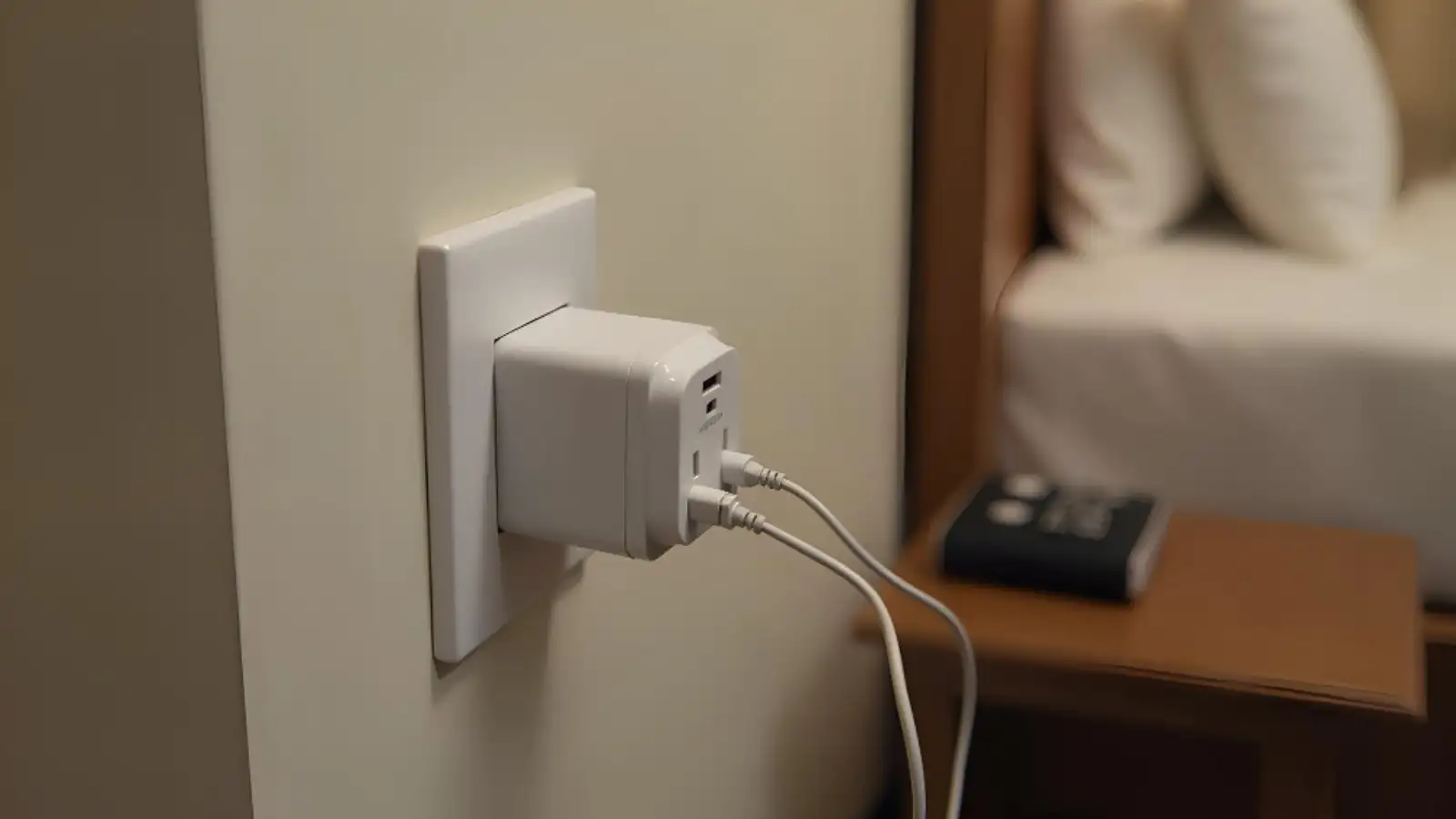
Technology experts say that while modern chargers are designed with safety features, leaving them plugged in continuously may still have some downsides. From unnecessary energy consumption to potential safety risks, there are a few things worth knowing about keeping a charger permanently connected to a power outlet.
Here is a closer look at what really happens when you leave your charger plugged in all the time.
Although the energy used by a single charger is very small, the effect can add up if multiple chargers and electronic devices remain plugged in around the house. Over time, this constant power draw can lead to unnecessary electricity usage and slightly higher energy bills.
So even when your phone is not connected, the charger may still be quietly consuming power.
Over time, this constant exposure to electrical current can slowly reduce the charger’s efficiency and lifespan. Chargers that remain plugged in for long periods may experience internal stress or component deterioration, which can eventually affect their performance.
Unplugging the charger when it is not in use helps reduce this wear and may allow the charger to last longer.
If a charger overheats or experiences electrical fluctuations, it can potentially become a safety hazard. In extreme cases, faulty chargers may even pose a fire risk.
This risk is generally low with certified modern chargers, but experts still recommend unplugging chargers when they are not being used, particularly overnight or when leaving home.
When a charger remains plugged in during such fluctuations, its internal components can experience additional stress. Over time, repeated exposure to these voltage surges may shorten the lifespan of the charger or cause it to malfunction.
Unplugging chargers when they are idle helps reduce their exposure to these unpredictable power changes.
Because of these smart power management systems, leaving a charger plugged in is generally not immediately dangerous. However, it is still recommended to unplug chargers when they are not in use to avoid unnecessary energy consumption and long-term wear.
Leaving your charger plugged in all the time may seem harmless, but it can lead to small yet noticeable effects over time. Chargers can continue using a little electricity, experience gradual wear, and in rare cases even pose overheating risks.
Modern chargers are designed to minimise these issues, but unplugging them when they are not in use remains a good habit. It can help save energy, extend the life of your charger, and reduce potential safety risks in your home.
Simply unplugging a charger after use is a small step that can make a difference in both safety and energy efficiency.
Technology experts say that while modern chargers are designed with safety features, leaving them plugged in continuously may still have some downsides. From unnecessary energy consumption to potential safety risks, there are a few things worth knowing about keeping a charger permanently connected to a power outlet.
Here is a closer look at what really happens when you leave your charger plugged in all the time.
Chargers Still Use Electricity Even When Not Charging
One surprising fact about a charger is that it can continue drawing a small amount of electricity even when no device is connected. This is often called standby power or phantom energy.Although the energy used by a single charger is very small, the effect can add up if multiple chargers and electronic devices remain plugged in around the house. Over time, this constant power draw can lead to unnecessary electricity usage and slightly higher energy bills.
So even when your phone is not connected, the charger may still be quietly consuming power.
Continuous Power Can Wear Out the Charger
Another issue with leaving a charger plugged in all the time is the gradual wear on its internal components. When a charger stays connected to electricity continuously, the electronic parts inside it remain active.Over time, this constant exposure to electrical current can slowly reduce the charger’s efficiency and lifespan. Chargers that remain plugged in for long periods may experience internal stress or component deterioration, which can eventually affect their performance.
Unplugging the charger when it is not in use helps reduce this wear and may allow the charger to last longer.
Risk of Overheating and Fire
Although rare, overheating is another concern associated with leaving chargers plugged in continuously. Chargers can sometimes generate heat, especially if they are old, damaged, or made with low-quality components.If a charger overheats or experiences electrical fluctuations, it can potentially become a safety hazard. In extreme cases, faulty chargers may even pose a fire risk.
This risk is generally low with certified modern chargers, but experts still recommend unplugging chargers when they are not being used, particularly overnight or when leaving home.
Voltage Surges Can Damage Chargers
Another factor to consider is voltage fluctuation. Power grids occasionally experience sudden changes in voltage due to storms, switching appliances, or other electrical disturbances.When a charger remains plugged in during such fluctuations, its internal components can experience additional stress. Over time, repeated exposure to these voltage surges may shorten the lifespan of the charger or cause it to malfunction.
You may also like
- Govt to curb opaque shipping surcharges amid Middle East tensions: Report
- Explained: How OTT Platforms and Cheap Internet Are Disrupting the DTH Television Industry
- Strengthen cyber and operational resilience amid geopolitical tensions: Nasscom
- Iran-linked hacktivist groups target US infrastructure after Feb 28 strikes, cyber activity surges: Report
- Amazon calls on regulator FCC to reject rival SpaceX's 'million satellite' space data centre plan
Unplugging chargers when they are idle helps reduce their exposure to these unpredictable power changes.
Modern Chargers Are Designed to Be Safer
The good news is that most modern smartphone chargers come with built-in safety features. Many of them automatically stop drawing significant power once a device is fully charged and switch to a low-power standby mode.Because of these smart power management systems, leaving a charger plugged in is generally not immediately dangerous. However, it is still recommended to unplug chargers when they are not in use to avoid unnecessary energy consumption and long-term wear.
Leaving your charger plugged in all the time may seem harmless, but it can lead to small yet noticeable effects over time. Chargers can continue using a little electricity, experience gradual wear, and in rare cases even pose overheating risks.
Modern chargers are designed to minimise these issues, but unplugging them when they are not in use remains a good habit. It can help save energy, extend the life of your charger, and reduce potential safety risks in your home.
Simply unplugging a charger after use is a small step that can make a difference in both safety and energy efficiency.






More from our partners


Loving Newspoint? Download the app now
