
How Constant Phone Notifications Are Creating Anxiety in Our Daily Routine

You know that feeling when your phone buzzes and your heart skips a beat, even before you check it? Or when there is silence, but your mind keeps wondering if you missed something important? That constant pull toward your screen is no longer just a habit. It is becoming something deeper, something more psychological.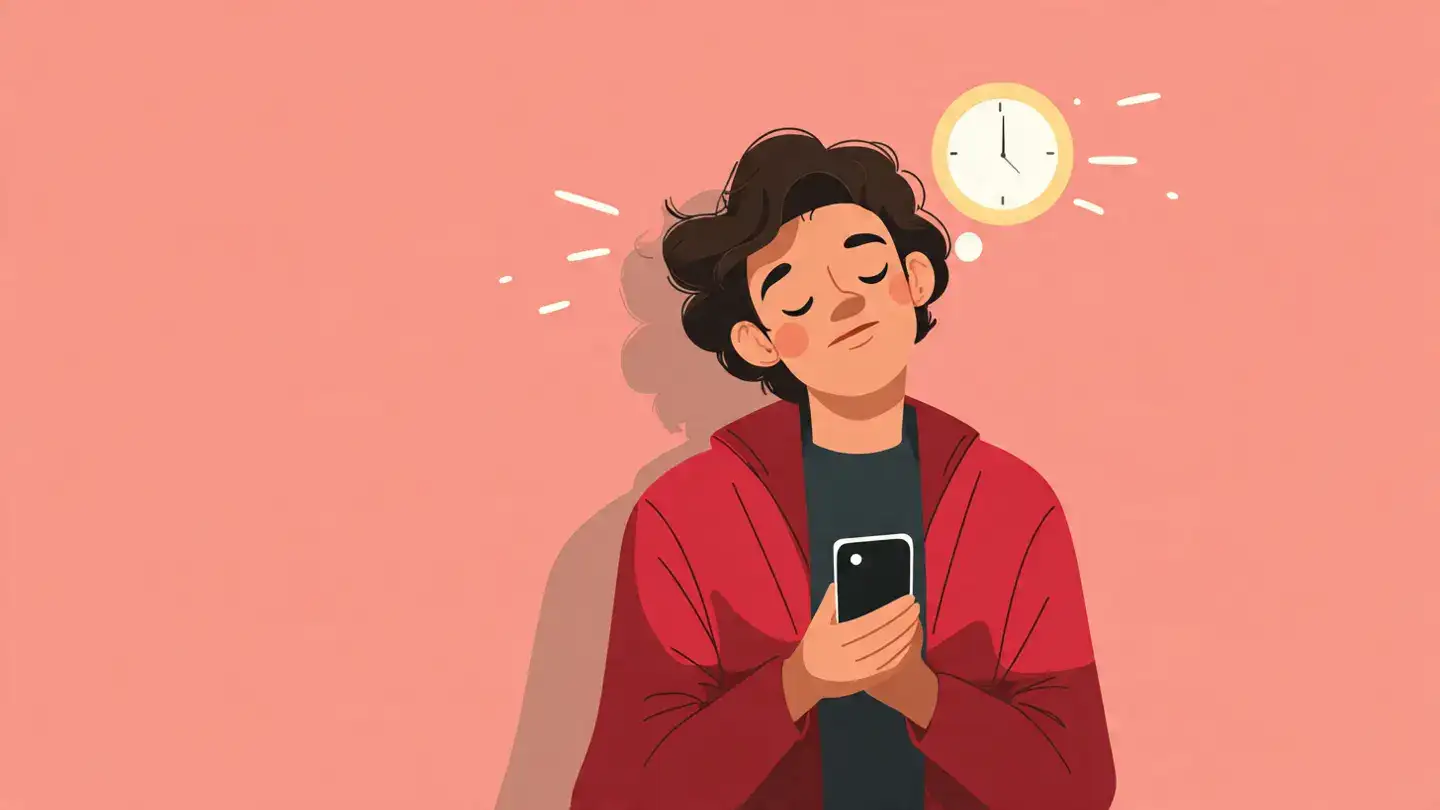
This growing discomfort around alerts, messages, and updates is often referred to as notification anxiety . It is a modern experience shaped by our always-connected lifestyle. As digital communication becomes more central to work, relationships, and social identity, the pressure to stay responsive is quietly increasing.
This is not just about being distracted. It is about how our minds are adapting to a world where silence feels unsettling and every notification feels urgent. Understanding why this happens can help us regain a sense of calm and control.
At its core, it is tied to our emotional response to digital communication. Messages are no longer just information. They carry expectations, urgency, and sometimes even judgment.
This is closely linked to broader concepts like digital stress and smartphone addiction , where the device becomes more than a tool and starts influencing emotional well-being.
Think about how quickly people expect replies. Whether it is a work message or a casual text, delays can sometimes feel uncomfortable. This creates an invisible pressure to respond immediately, even when there is no real urgency.
Over time, this expectation becomes internalized. You start checking your phone not because you want to, but because you feel like you should. This constant alertness keeps your mind in a state of low-level stress, making it harder to truly relax.
This could be a social update, a breaking news alert, or even a work-related message. Each notification carries the possibility of something important. Ignoring it feels risky.
This creates a loop. You check your phone to reduce uncertainty, but the more you check, the more dependent you become on that reassurance. Eventually, even the absence of notifications can feel unsettling, as if something is wrong.
Every time this happens, your brain shifts focus. This constant switching can make it harder to concentrate deeply on tasks. Over time, your mind becomes more sensitive to interruptions, making it difficult to stay present in any activity.
This is where notification anxiety starts to grow. You are not just reacting to alerts anymore. You are anticipating them. Even when your phone is silent, part of your attention stays on standby, waiting for the next interruption.
When your brain is constantly on alert, it does not get enough time to rest. This can affect sleep quality, mood, and overall mental clarity. You might feel overwhelmed without fully understanding why.
There is also a subtle sense of loss of control. Instead of choosing when to engage with your device, you feel like the device is deciding for you. This can slowly impact your sense of autonomy and well-being.
This creates a reward system in the brain. You begin to associate notifications with positive feelings, even if they are temporary. Over time, this can lead to a cycle where you keep checking your phone in search of that next small reward.
At the same time, the absence of notifications can feel disappointing. This contrast between expectation and reality adds another layer to notification anxiety, making it harder to disconnect.
In a world where we are used to constant updates, quiet moments can feel unfamiliar. Without notifications, there is nothing to check, nothing to respond to. This can create a sense of emptiness or unease.
Instead of enjoying the break, the mind starts searching for stimulation. This is why people often reach for their phones even without any alerts. It is not just habit. It is a learned response to avoid discomfort.
Start by becoming aware of how notifications affect you. Notice when you feel the urge to check your phone and what triggers it. This awareness is the first step toward regaining control.
You can also create boundaries. Turning off non-essential notifications, setting specific times to check messages, or keeping your phone away during focused tasks can make a big difference.
Most importantly, give yourself permission to not be instantly available. It is okay to respond later. It is okay to miss a notification. Rebuilding this mindset can help reduce the pressure you feel.
Notification anxiety is a reflection of how deeply technology is woven into our daily lives. It is not just about phones or apps. It is about how we relate to constant communication and the expectations that come with it.
By understanding the reasons behind this anxiety, we can start making small changes that lead to a calmer, more balanced relationship with our devices.
At the end of the day, notifications are meant to serve us, not control us. Learning to take back that control can make a noticeable difference in how we feel, think, and live.
This growing discomfort around alerts, messages, and updates is often referred to as notification anxiety . It is a modern experience shaped by our always-connected lifestyle. As digital communication becomes more central to work, relationships, and social identity, the pressure to stay responsive is quietly increasing.
This is not just about being distracted. It is about how our minds are adapting to a world where silence feels unsettling and every notification feels urgent. Understanding why this happens can help us regain a sense of calm and control.
What Is Notification Anxiety?
Notification anxiety is the uneasy feeling or stress people experience related to receiving, missing, or anticipating notifications on their devices. It can show up in different ways. Some people feel compelled to check their phone repeatedly. Others feel a sudden rush of stress when a notification appears.At its core, it is tied to our emotional response to digital communication. Messages are no longer just information. They carry expectations, urgency, and sometimes even judgment.
This is closely linked to broader concepts like digital stress and smartphone addiction , where the device becomes more than a tool and starts influencing emotional well-being.
The Constant Need to Stay Available
One of the biggest reasons behind notification anxiety is the expectation of instant availability. In today’s world, being reachable at all times is often seen as normal.Think about how quickly people expect replies. Whether it is a work message or a casual text, delays can sometimes feel uncomfortable. This creates an invisible pressure to respond immediately, even when there is no real urgency.
Over time, this expectation becomes internalized. You start checking your phone not because you want to, but because you feel like you should. This constant alertness keeps your mind in a state of low-level stress, making it harder to truly relax.
The Fear of Missing Out
Another powerful driver is the fear of missing out, often called FOMO. Notifications act like reminders that something is happening somewhere, and you might not be part of it.This could be a social update, a breaking news alert, or even a work-related message. Each notification carries the possibility of something important. Ignoring it feels risky.
This creates a loop. You check your phone to reduce uncertainty, but the more you check, the more dependent you become on that reassurance. Eventually, even the absence of notifications can feel unsettling, as if something is wrong.
How Notifications Hijack Your Attention
Notifications are designed to grab attention instantly. The sound, vibration, or visual pop-up is meant to interrupt whatever you are doing.Every time this happens, your brain shifts focus. This constant switching can make it harder to concentrate deeply on tasks. Over time, your mind becomes more sensitive to interruptions, making it difficult to stay present in any activity.
This is where notification anxiety starts to grow. You are not just reacting to alerts anymore. You are anticipating them. Even when your phone is silent, part of your attention stays on standby, waiting for the next interruption.
Emotional Impact on Mental Health
The emotional toll of notification anxiety is often underestimated. It can lead to feelings of restlessness, irritability, and even exhaustion.When your brain is constantly on alert, it does not get enough time to rest. This can affect sleep quality, mood, and overall mental clarity. You might feel overwhelmed without fully understanding why.
There is also a subtle sense of loss of control. Instead of choosing when to engage with your device, you feel like the device is deciding for you. This can slowly impact your sense of autonomy and well-being.
The Role of Social Validation
Notifications are not just functional. They are emotional triggers. A message, a like, or a comment can bring a small burst of satisfaction.This creates a reward system in the brain. You begin to associate notifications with positive feelings, even if they are temporary. Over time, this can lead to a cycle where you keep checking your phone in search of that next small reward.
At the same time, the absence of notifications can feel disappointing. This contrast between expectation and reality adds another layer to notification anxiety, making it harder to disconnect.
Why Silence Feels Uncomfortable
One of the most interesting aspects of notification anxiety is how silence itself becomes unsettling.In a world where we are used to constant updates, quiet moments can feel unfamiliar. Without notifications, there is nothing to check, nothing to respond to. This can create a sense of emptiness or unease.
Instead of enjoying the break, the mind starts searching for stimulation. This is why people often reach for their phones even without any alerts. It is not just habit. It is a learned response to avoid discomfort.
You may also like
- India's services sector stays in expansion in March, growth momentum eases
- Indian rupee opens 10 paise higher at 93 against US dollar
- Popular VC Marc Andreessen to all companies blaming AI for layoffs: You are 'lying' as …
- GCC leasing in India hits record quarterly high in Jan-March 2026
- Crude oil prices climb over 3 pc to near 52-week high amid geopolitical tensions
Finding a Healthier Balance
The good news is that notification anxiety is not permanent. It is a response shaped by habits, and habits can be changed.Start by becoming aware of how notifications affect you. Notice when you feel the urge to check your phone and what triggers it. This awareness is the first step toward regaining control.
You can also create boundaries. Turning off non-essential notifications, setting specific times to check messages, or keeping your phone away during focused tasks can make a big difference.
Most importantly, give yourself permission to not be instantly available. It is okay to respond later. It is okay to miss a notification. Rebuilding this mindset can help reduce the pressure you feel.
Notification anxiety is a reflection of how deeply technology is woven into our daily lives. It is not just about phones or apps. It is about how we relate to constant communication and the expectations that come with it.
By understanding the reasons behind this anxiety, we can start making small changes that lead to a calmer, more balanced relationship with our devices.
At the end of the day, notifications are meant to serve us, not control us. Learning to take back that control can make a noticeable difference in how we feel, think, and live.






More from our partners


Loving Newspoint? Download the app now
