
Pinterest CEO Calls for Social Media Ban for Under-16 Users: What It Means

In a major development in the ongoing debate around online safety , Bill Ready, the CEO of Pinterest, has called for a global ban on social media for users under the age of 16.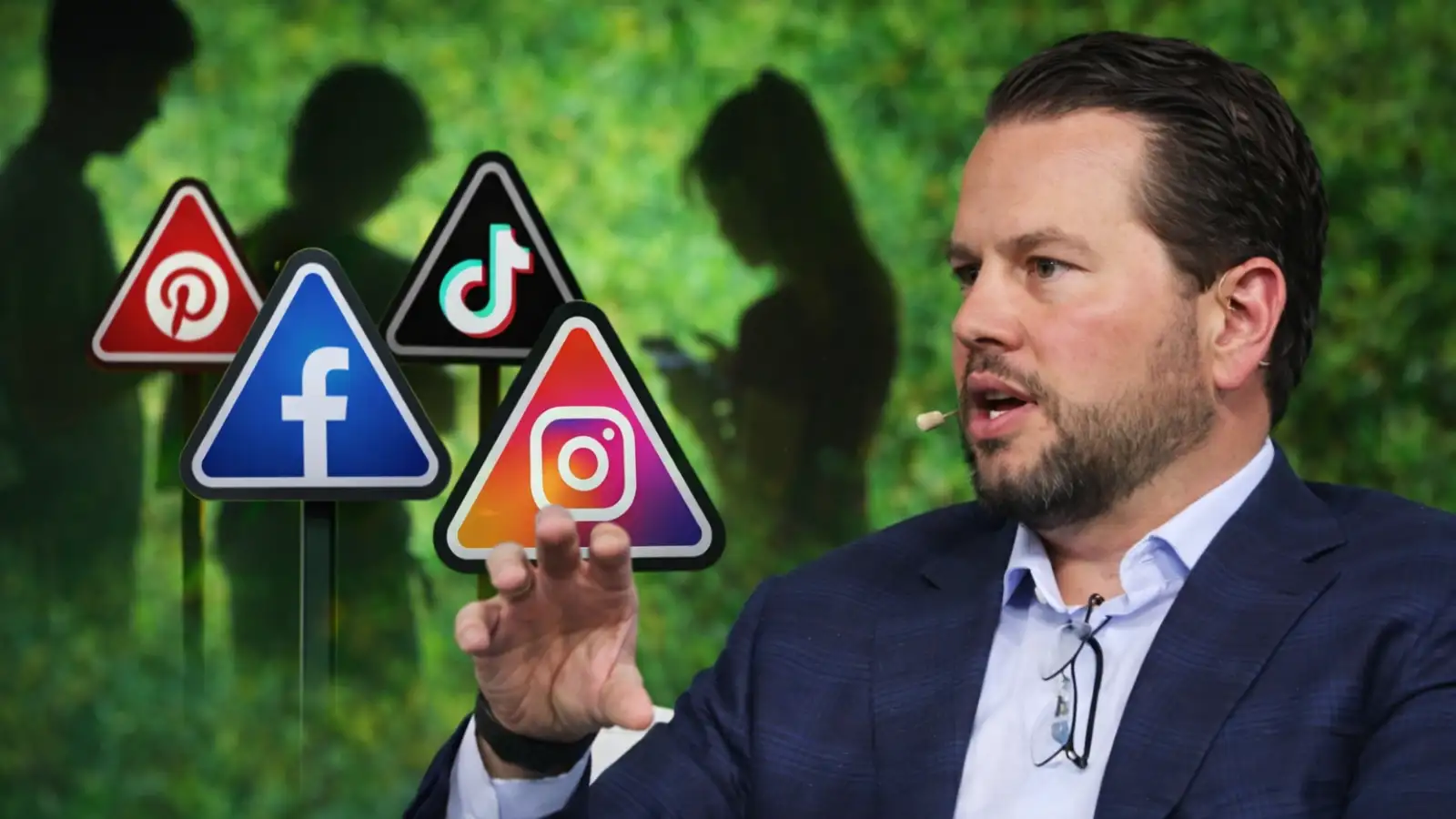
The proposal has sparked fresh discussion about the impact of social media on teenagers, especially around mental health, safety, and long-term development. As governments across the world consider stricter digital regulations, this call for a youth social media ban is gaining attention.
He wrote that children today are “living through the largest social experiment in history”, pointing to the widespread and largely unregulated use of social media among teenagers.
According to him, this has led to rising concerns around anxiety, depression, and reduced attention spans among young users.
This is why he believes a clear and enforceable social media ban for under 16 users is necessary to protect youth mental health .
He stated, "We need a clear standard: no social media for teens under 16, backed by real enforcement, and accountability for mobile phone operating systems and the apps that run on them."
His argument is that voluntary measures by tech companies have not been enough, and only regulation can ensure real accountability and safety for young users.
Australia passed a law banning minors under 16 from using major social media platforms, with strict penalties for companies that fail to comply.
Bill Ready believes that other countries should consider similar measures, especially as concerns around online safety and teen mental health continue to grow globally.
Bill Ready warned that AI tools and chatbots integrated into social media can influence behaviour and emotions, especially among teenagers who are still developing.
This adds another layer of risk, making the case for stricter rules even stronger. According to him, age-based restrictions, even if not perfect, can still help reduce harm.
This has created a divide within the tech industry on how to handle social media for teenagers. Some argue that platforms can offer positive experiences and community, while others believe the risks outweigh the benefits.
Still, the increasing scrutiny from governments and regulators shows that the debate around social media ban for under 16 users is far from over.
For parents and users, this could mean tighter age verification systems, limited access, or even full restrictions in the coming years.
For tech companies, it signals growing pressure to redesign platforms with safety as a priority rather than engagement.
The proposal has sparked fresh discussion about the impact of social media on teenagers, especially around mental health, safety, and long-term development. As governments across the world consider stricter digital regulations, this call for a youth social media ban is gaining attention.
Why Pinterest CEO Wants a Social Media Ban for Under 16
In an opinion piece, Bill Ready argued that current social media platforms are not safe for teenagers and that stronger action is needed. He highlighted how young users are increasingly exposed to harmful content and addictive online behaviour.He wrote that children today are “living through the largest social experiment in history”, pointing to the widespread and largely unregulated use of social media among teenagers.
According to him, this has led to rising concerns around anxiety, depression, and reduced attention spans among young users.
This is why he believes a clear and enforceable social media ban for under 16 users is necessary to protect youth mental health .
Call for Global Rules and Strong Enforcement
Bill Ready did not just suggest changes at the company level. He urged governments worldwide to step in and introduce strict laws around social media usage for minors.He stated, "We need a clear standard: no social media for teens under 16, backed by real enforcement, and accountability for mobile phone operating systems and the apps that run on them."
His argument is that voluntary measures by tech companies have not been enough, and only regulation can ensure real accountability and safety for young users.
Australia’s Social Media Ban as a Model
One of the key examples highlighted by the Pinterest CEO is Australia, which has already taken steps to restrict social media access for users under 16.Australia passed a law banning minors under 16 from using major social media platforms, with strict penalties for companies that fail to comply.
Bill Ready believes that other countries should consider similar measures, especially as concerns around online safety and teen mental health continue to grow globally.
Concerns Around AI and Social Media Risks
Another major concern raised in the discussion around social media ban under 16 is the growing role of artificial intelligence on these platforms.Bill Ready warned that AI tools and chatbots integrated into social media can influence behaviour and emotions, especially among teenagers who are still developing.
This adds another layer of risk, making the case for stricter rules even stronger. According to him, age-based restrictions, even if not perfect, can still help reduce harm.
Industry Divided on Youth Social Media Ban
Interestingly, the Pinterest CEO’s stance differs from many other tech leaders. While some companies support parental controls and better safety features, they are hesitant about a complete ban.This has created a divide within the tech industry on how to handle social media for teenagers. Some argue that platforms can offer positive experiences and community, while others believe the risks outweigh the benefits.
Still, the increasing scrutiny from governments and regulators shows that the debate around social media ban for under 16 users is far from over.
What This Means for the Future of Social Media
The call for a social media ban under 16 comes at a time when multiple countries are exploring stricter digital laws. From Europe to Asia, governments are looking at ways to regulate how young people use online platforms.For parents and users, this could mean tighter age verification systems, limited access, or even full restrictions in the coming years.
For tech companies, it signals growing pressure to redesign platforms with safety as a priority rather than engagement.
Next Story